Understanding Your Manufactured Homeowners Insurance Options
Explore a range of manufactured homeowners insurance options that offer personalized coverage to suit your needs. From protecting your home against potential risks to offering flexible plans, finding the right insurance can ensure peace of mind without breaking the bank.
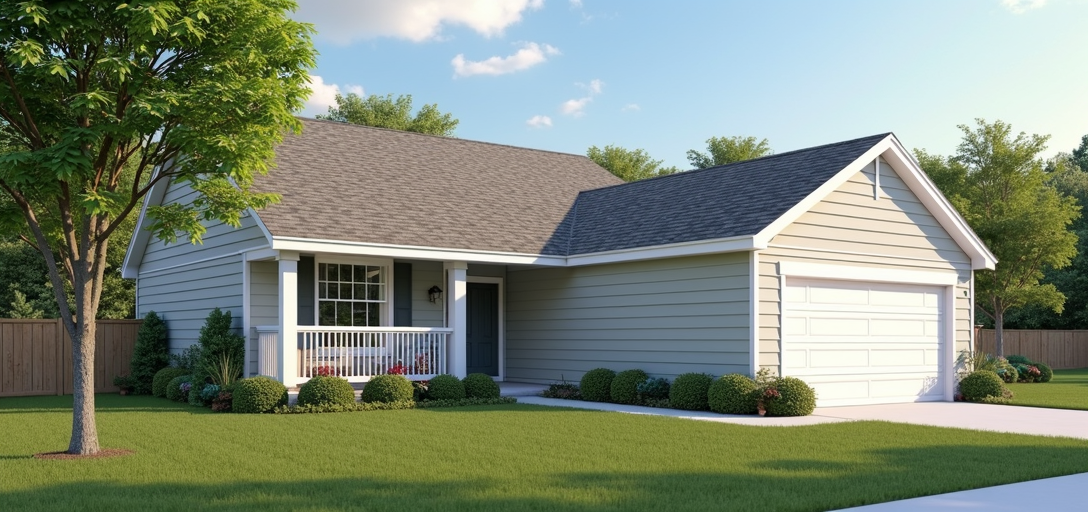
Understanding Manufactured Homeowners Insurance
Manufactured homes are an attractive housing choice for many in the US, offering affordability without compromising comfort. However, like any home, they require protection against potential risks. Enter manufactured homeowners insurance. For residents of states like Florida, Texas, and California, understanding these options can be critical given the region-specific risks like hurricanes and wildfires.
A typical policy includes coverage against risks such as fire, wind, theft, and water damage. However, the specific coverage can vary significantly, thus understanding the nuances is key to making an informed decision.
Why Is Manufactured Home Insurance Important?
While many owners of traditional homes might have familiarity with homeowners insurance, special considerations are necessary for manufactured homes. Structural differences and permanence are factors that influence insurance coverage. In 2026, over 20 million Americans live in manufactured homes, underscoring the importance of tailored insurance solutions.
Manufactured homes can be more susceptible to certain types of damage, making insurance not only a smart decision but a financial safeguard. It's especially crucial for those residing in areas prone to extreme weather events.
Types of Coverage Available
There are several insurance coverage types and understanding them can help you choose the right plan for your home:
- Dwelling Coverage: This covers damage to the structure of your home. It's essential for covering repair or rebuilding costs from disasters such as fires or storms.
- Personal Property Protection: This insurance covers the items inside your home, from electronics to furniture, if they are stolen or damaged.
- Liability Insurance: Liability coverage helps protect you financially if someone is injured on your property and takes legal action against you.
- Additional Living Expenses (ALE): This covers the costs if you need to temporarily move out of your home due to damage from a covered risk.
Common Exclusions
While manufactured homeowners insurance covers a wide range of potential risks, not everything is included. Flood damage, for instance, is a common exclusion. For flood-prone areas, it's prudent to purchase a separate flood policy. Earthquakes are typically not covered either; specialized earthquake coverage would be necessary in regions like California. In light of these exclusions, understanding your specific location's risks is vital when selecting coverage.
Factors Influencing Premium Costs
The cost of manufactured homeowners insurance is influenced by several factors, which underlines the importance of personalized quotes:
- Location: Homes in areas more susceptible to natural disasters often face higher premiums.
- Home Age and Condition: Newer homes may have modern materials and construction improvements, resulting in lower premiums.
- Security Features: Installing security systems can lower insurance costs as they mitigate risk factors.
- Deductible Amount: Higher deductibles typically result in lower monthly premiums but mean greater out-of-pocket expense when claiming.
How to Choose the Right Insurance Provider
Choosing the right insurance provider involves more than just comparing rates. Here are some tips:
- Research Coverage Options: Investigate companies that specialize in manufactured home insurance to benefit from their tailored policies.
- Read Reviews and Ratings: Trusted third-party sites like J.D. Power provide consumer ratings that can offer insight into customer satisfaction.
- Compare Quotes: Always compare at least three quotes to secure a competitive rate without compromising coverage.
- Financial Stability: Choose providers with strong financial ratings to ensure they can meet claims, especially during widespread disasters.
Real-World Scenario
Consider a family in Florida who purchased a manufactured home. By opting for a comprehensive policy including windstorm coverage, they secured their financial footing when a hurricane caused significant damage. Their insurance allowed them to rebuild effectively and covered their temporary housing costs while repairs were made, demonstrating the policy's practical value.
Conclusion
Manufactured homeowners insurance is indispensable for protecting your assets and peace of mind. Given the variability in coverage and regional risks, it's imperative to engage with the right questions and providers. By evaluating specific needs and conducting thorough research, homeowners can confidently secure the future of their abodes.
This guidance helps demystify the complexities of manufactured homeowners insurance, enabling better decision-making for those seeking to protect their investments.
For further details and the latest insights on insurance policies, you can consult resources like the Insurance Information Institute or National Association of Insurance Commissioners.