Unleash Your Creativity: Transform Words into Stunning Visuals with AI
Discover the latest in AI innovation with our tool that transforms text into stunning viral graphics. Ideal for marketers and content creators, this AI Image Tool opens new possibilities without the guesswork. Generate captivating visuals with ease and unlock creativity like never before.
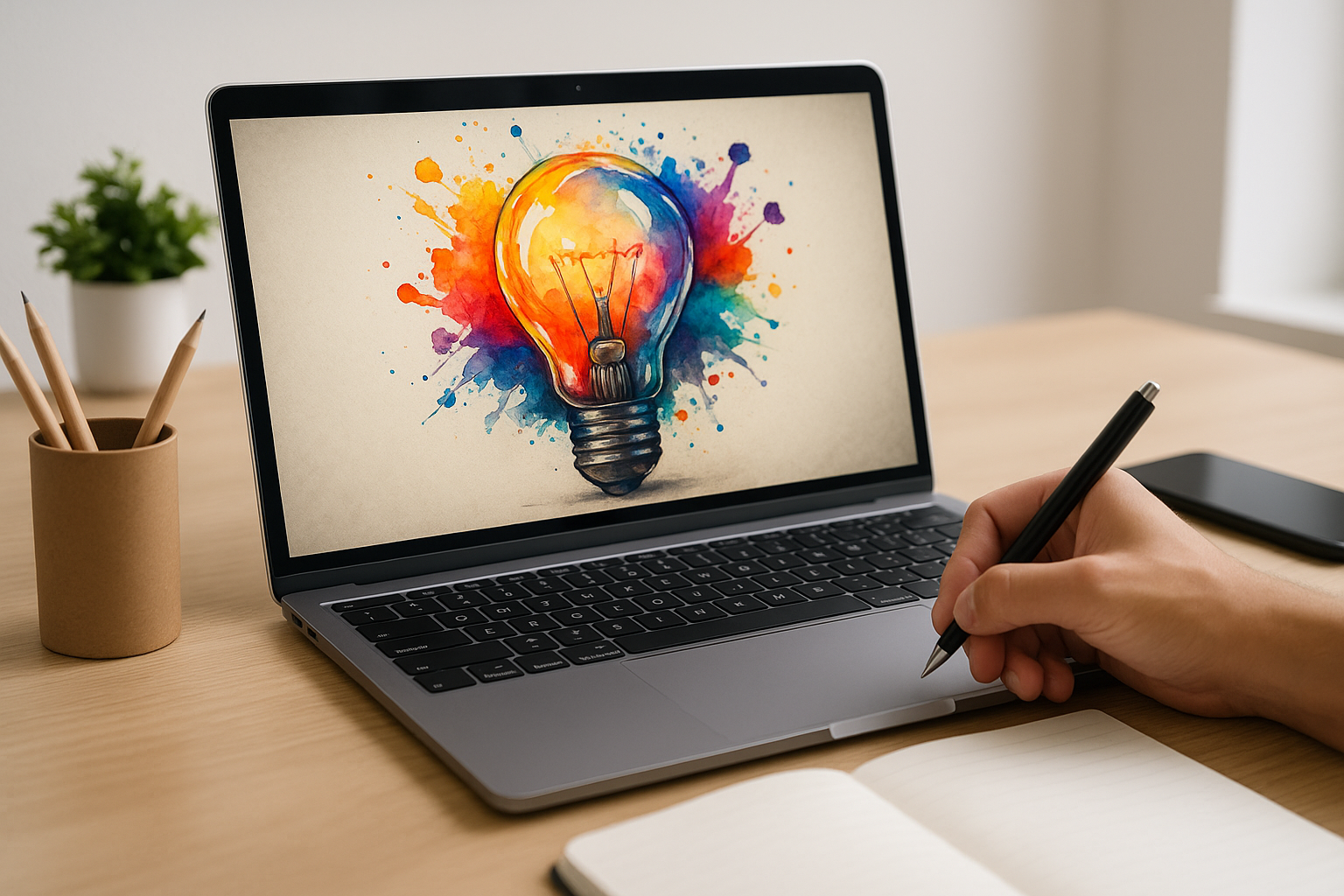
Understanding AI Image Tools: Transforming Text into Viral Graphics
In the era of digital communication, where visuals play a pivotal role in conveying messages effectively, AI image tools are revolutionizing the way we create and consume content. These advanced tools can turn simple text input into stunning viral graphics, making it easier for businesses and individuals alike to engage audiences. But what exactly are these AI image tools, and how do they work?
What are AI Image Tools?
Defining AI Image Tools
AI image tools are applications powered by artificial intelligence designed to automatically generate or enhance images. These tools typically use complex algorithms, including machine learning models and neural networks, to analyze text inputs and convert them into images. The result can be anything from artistic interpretations to highly realistic graphics.
Core Functionality
The core functionality of AI image tools includes:
- Text-to-Image Conversion: Transforming textual descriptions or prompts into visual content.
- Image Editing and Improvement: Enhancing existing images with AI-driven edits.
- Creative Design: Generating artistic renditions and styles based on textual input.
How AI Image Tools Work
The technology behind AI image tools relies on deep learning techniques, primarily Generative Adversarial Networks (GANs) and other variations of neural networks. These approaches allow the AI to interpret textual data and render images that align with the input's context and semantics.
Neural Networks and Machine Learning
AI image tools use neural networks to identify patterns and generate visual elements. These networks are trained on diverse datasets, learning to recognize different styles, components, and elements in an image. As a result, when given a text prompt, the AI can generate relevant graphics by assembling known elements creatively.
Why Use AI Image Tools?
Benefits for Individuals and Businesses
AI image tools offer several benefits:
- Time Efficiency: Quickly create compelling visuals without the need for extensive graphic design skills.
- Cost-Effective: Reduce the costs associated with hiring professional designers for every project.
- Creativity and Customization: Unlock limitless creative possibilities by experimenting with diverse styles and formats.
For businesses, in particular, these tools enable the consistent production of branding material, marketing graphics, and social media content, improving engagement across platforms.
Real-World Applications
AI image tools have found applications in various fields such as marketing, entertainment, education, and even virtual reality environments. For instance, companies use these tools to craft eye-catching ads, while educators might use them to create interactive learning materials.
Case Study: Marketing Campaign Success
A recent study in 2026 highlighted a marketing campaign where a brand utilized an AI image tool to produce a series of ads that featured user-generated content, increasing their engagement rates by 200% over traditional methods. The AI tool enabled the creation of personalized visuals that resonated well with the audience [source: MarketingTech2026].
Potential Limitations and Challenges
Understanding Limitations
While AI image tools have revolutionized visual content creation, they do have limitations, such as:
- Quality Control: The output quality can vary, sometimes requiring manual adjustments.
- Content Appropriateness: Ensuring generated images align with brand tone and messaging can be challenging.
- Dependence on Data: The performance heavily depends on the dataset used to train the model, which may not always be comprehensive.
Addressing these challenges involves ongoing refinement of AI technology and responsibly curating datasets [source: AIJournal2026].
Ethical Considerations
As with any AI technology, ethical considerations are paramount. There is a growing need to ensure AI-generated images are not used misleadingly or to replicate copyrighted content without permission. Regulatory frameworks may evolve to address these concerns, promoting responsible use.
The Future of AI Image Tools
As AI continues to advance, we can expect even more sophisticated image tools capable of generating hyper-realistic images and videos. Innovations in machine learning and data processing will lead to tools that offer greater control over aesthetics and style, further blurring the line between human and AI-created art.
Conclusion
AI image tools represent a significant milestone in graphic design and content creation. These tools empower individuals and businesses to generate eye-catching visuals with minimal effort and expense. Despite some limitations, the benefits to creative industries are enormous, offering opportunities for new and innovative applications, with plenty more advancements on the horizon.