Unlock Financial Assistance for Incontinence Supplies: A Comprehensive Guide
Discover effective strategies for funding incontinence supplies without the stress. Our guide on How to Get Funded Incontinence Supplies offers insights to explore potential funding sources and reduce personal expenses.
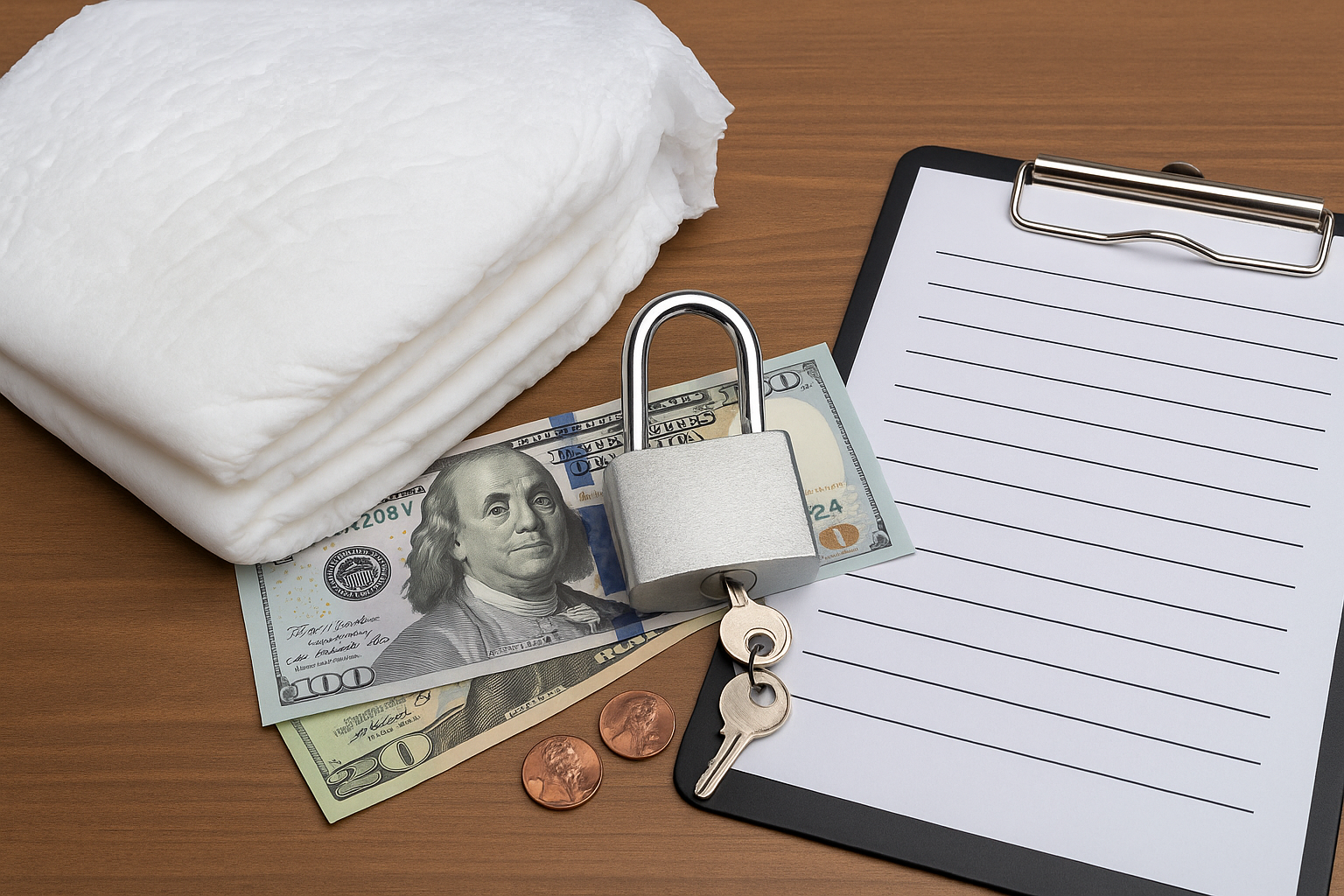
Understanding Funded Incontinence Supplies
Incontinence can be a challenging condition to manage, affecting millions globally. Many individuals may not know that aid is available to ease the financial burden associated with purchasing necessary incontinence supplies. Understanding how to access funded incontinence supplies is crucial for those living with the condition and their caregivers.
What are Incontinence Supplies?
Incontinence supplies encompass a wide range of products designed to help manage urinary and fecal incontinence. These products include adult diapers, absorbent pads, bed protectors, and more specialized devices. The need for these supplies can vary greatly depending on the severity of the condition and the specific circumstances of each individual.
Who Needs Incontinence Supplies?
Incontinence supplies are essential for individuals who experience loss of bladder or bowel control. This condition can result from various causes, such as aging, surgery, pregnancy, neurological disorders, or chronic diseases. Both men and women can be affected, and while it's more common in older adults, incontinence can also impact younger people.
Funding Options for Incontinence Supplies
Navigating the funding options for incontinence supplies can seem daunting. However, understanding the available resources can significantly ease the financial burden.
Government Assistance Programs
Several government assistance programs offer support for acquiring incontinence supplies. These programs can vary by country, region, and specific eligibility requirements but often include the following:
- Medicaid: In the United States, Medicaid may cover incontinence supplies for eligible individuals. Each state's program has distinct rules and coverage levels, so it's important to check local guidelines.
- Medicare: Although Medicare does not traditionally cover incontinence products, certain Medicare Advantage plans might offer some support. It's crucial to review plan details to understand the coverage.
- Other National Health Services: In countries like Canada and the UK, public health services may provide assistance. For example, the NHS in the UK offers Continence Service assessments to those in need.
Private Health Insurance
Some private health insurance plans may offer partial or full coverage for incontinence supplies. It's vital for policyholders to review their plan details or consult with their insurance provider to understand what is available.
Non-Profit Organizations and Charities
Numerous non-profit organizations and charities offer support to those needing incontinence supplies. For instance:
- The National Association for Continence (NAFC): Provides resources and sometimes direct assistance or direction to funding opportunities.
- Diaper Banks: These organizations often run donation programs to help distribute free supplies to those in need. The Diaper Bank Network in the US is an example of such assistance.
- Local Support Groups: These groups can also provide information about local charities or special programs available in specific areas.
Manufacturer and Pharmacy Programs
Some manufacturers of incontinence products offer discounts, samples, or even rebate programs. Additionally, partnering pharmacies might have loyalty programs or special discounts for bulk purchases of these supplies.
Steps to Access Funded Incontinence Supplies
To successfully access funding for incontinence supplies, consider the following steps:
Step 1: Consult a Healthcare Provider
Begin by consulting with a healthcare provider. They can provide a diagnosis, medical documentation, and guidance on the necessary supplies, enhancing your eligibility for various programs.
Step 2: Research Available Programs
Investigate and leverage available programs. Start by contacting local health departments, insurance companies, and online databases dedicated to healthcare funding resources.
Step 3: Submit the Required Documentation
Once you identify suitable funding options, gather and submit the necessary documentation. This often includes proof of income, a diagnosis, or a prescription from a healthcare professional.
Step 4: Follow Up
After applying, ensure to follow up with the program’s coordinators. Staying proactive can expedite the approval process and clarify any issues that might arise.
Conclusion: Maintaining Dignity and Comfort
Accessing funded incontinence supplies is not just about managing a health condition; it’s about preserving dignity and quality of life. With the variety of resources available, individuals experiencing incontinence should feel empowered to seek and utilize the assistance available to them.
For further reading and updated information on funding incontinence supplies and related challenges, visit reputable sources like the National Association for Continence or consult with your local health services.
References