Unlock the Secrets to Revitalizing Your Floors: The Art of Surface Restoration
Discover the essential techniques in floor surface restoration to rejuvenate your home's floors with confidence. Learn the stepbystep process of restoring different floor types and bring back their original charm.
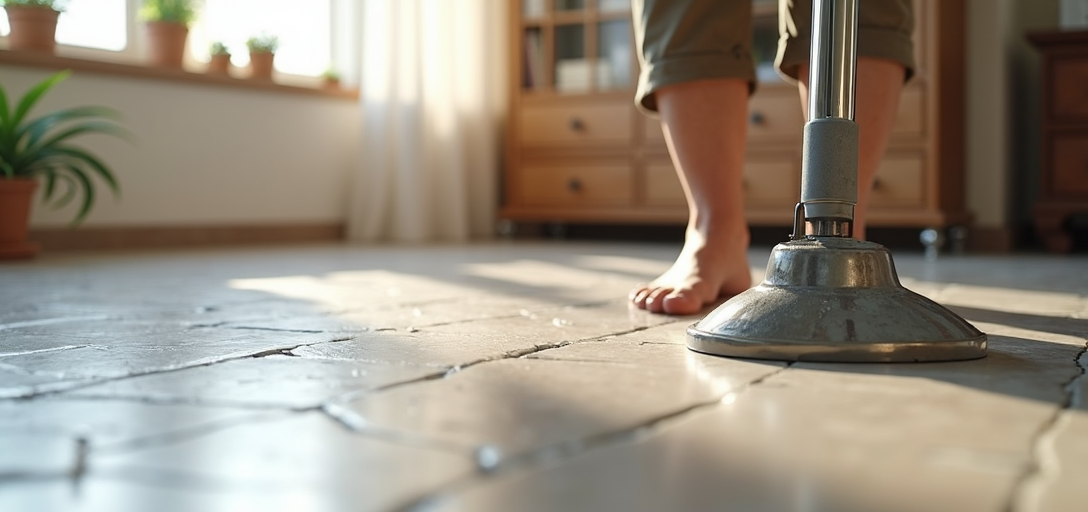
Understanding Floor Surface Restoration
Floor surface restoration is a crucial process for maintaining the integrity and appearance of various floor types in both residential and commercial settings. From hardwood and tiles to concrete and stone, understanding how to properly restore these surfaces can extend their lifespan and enhance their aesthetics.
What Does Floor Surface Restoration Involve?
Floor surface restoration encompasses a variety of techniques aimed at rejuvenating worn-out floors. This can include cleaning, repairing, refinishing, and polishing. These processes help to remove surface imperfections, stains, and wear marks, effectively breathing new life into the floors.
- Cleaning: The initial step in restoration involves deep cleaning the floor to remove dirt, grime, and old sealants or finishes.
- Repairing: Addressing damage such as scratches, chips, or cracks is essential to prepare the floor for refinishing.
- Refinishing: This step restores the floor’s original sheen by applying a new finish or sealant.
- Polishing: Polishing adds a final touch, enhancing the floor's appearance and providing a protective layer.
Why Floor Surface Restoration Is Important
The benefits of floor surface restoration are numerous. Besides improving the visual appeal of a space, it also plays a key role in maintaining hygiene, safety, and value. Floors that are well-maintained tend to hold up better over time against everyday wear and tear.
Popular Floor Types and Their Restoration Techniques
Restoring Hardwood Floors
Hardwood floors are timeless and can last for decades when properly maintained. The restoration process often involves sanding down the top layer to remove scratches and dents before applying a new finish.
In recent years, water-based polyurethane has become a preferred option for its low odor and quick drying time, as noted in a 2026 survey by Wood Floors Online.
Tile Floor Renewal
Tile floors, common in kitchens and bathrooms, require a different approach. Grout cleaning and sealing are critical to maintaining the appearance and preventing moisture damage. For heavily stained tiles, professional cleaning might be necessary.
Concrete Floor Reconditioning
Concrete floors, favored for their durability and industrial appeal, can be restored through polishing and applying a sealant that protects against scratches and spills. According to a 2026 industry report by Concrete Network, polished concrete floors are increasingly popular in modern homes for their low maintenance needs.
Stone Floor Revitalization
Natural stone floors, such as marble and granite, need careful handling during restoration. Polishing and sealing are crucial to retaining their luxury look. Engaging professional services ensures that the stone does not get damaged due to improper techniques.
Key Considerations for Floor Surface Restoration
DIY vs. Professional Services
While many homeowners opt for DIY methods to save on costs, professional restoration services often yield the best results, especially for extensive damage. Professionals bring expertise and advanced tools to tackle complex restoration needs.
Cost Implications
The cost of floor restoration varies depending on the floor type, the extent of damage, and the area covered. On average, homeowners in the US can expect to spend between $500 and $2,500 on professional services, as estimated by HomeAdvisor in their 2026 report.
Environmental Impact
Eco-friendly options for floor restoration are increasing, with water-based finishes and non-toxic cleaners gaining popularity among environmentally conscious consumers. Choosing sustainable products reduces the ecological footprint of the restoration process.
Maintaining Floors Post-Restoration
Once the floors are restored, regular maintenance is essential to prolong the effects of the restoration:
- Regular sweeping and mopping to prevent dirt build-up.
- Use of doormats to reduce grit and moisture tracking.
- Periodic sealing of wood and natural stone floors.
- Quick clean-up of spills to prevent stains and damage.
By adhering to a regular maintenance schedule, you can ensure the longevity and beauty of your floors for years to come.
Conclusion
Floor surface restoration is a valuable investment in your property's health and aesthetics. Whether you choose to handle minor repairs yourself or seek professional assistance for comprehensive restoration, understanding the process and benefits can help you make informed decisions. As this industry evolves, staying updated with the latest materials and techniques will ensure that your floors remain a standout feature of your home.