Unlock Unmatched Advantages: 5 Key VA Home Loan Benefits for Disabled Veterans
Explore the top 5 VA home loan benefits tailored for veterans with serviceconnected disabilities. Discover how these benefits can provide financial leverage and enhance housing opportunities. Whether it's reduced interest rates or no down payment requirements, understanding VA home loans is crucial.
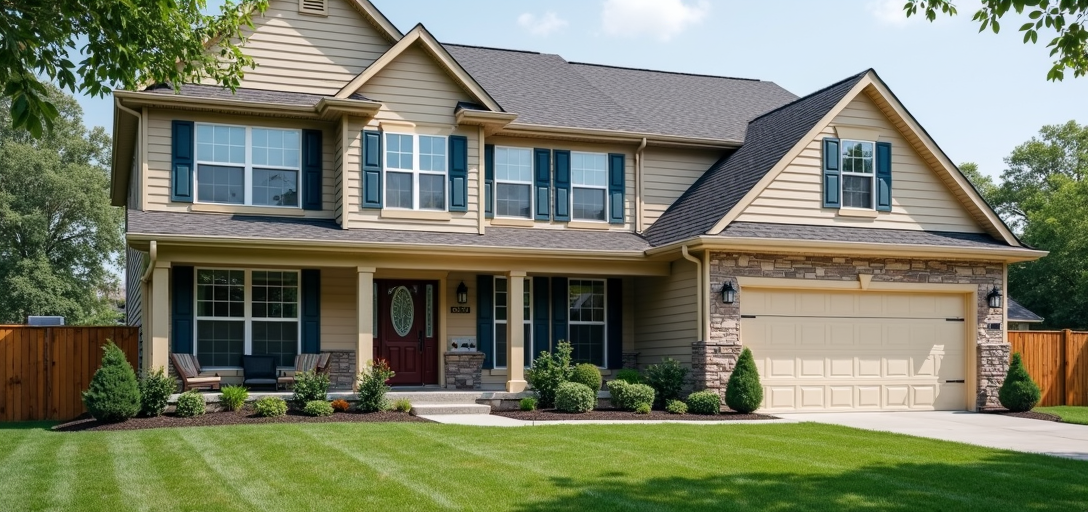
Overview of VA Home Loan Benefits for Veterans with Service-Connected Disabilities
The VA home loan program provides several unique and valuable benefits that cater specifically to veterans, including those with service-connected disabilities. These benefits are designed to help veterans achieve the dream of homeownership by making the process more accessible and affordable. For veterans with service-connected disabilities, there are additional perks that can make a significant difference. This article explores these benefits in detail, offering insight into why they are crucial for eligible veterans.
What is a VA Home Loan?
A VA home loan is a mortgage loan provided by private lenders and partially guaranteed by the Department of Veterans Affairs. It allows veterans, active-duty service members, and eligible surviving spouses to purchase a home with favorable terms. This loan option has several advantages, such as no down payment requirements in most cases, lower interest rates, and no private mortgage insurance (PMI).
Top 5 VA Home Loan Benefits for Veterans with Service-Connected Disabilities
1. Funding Fee Exemption
One of the most significant benefits that veterans with service-connected disabilities can enjoy is the exemption from the VA funding fee. This fee, typically ranging from 1.4% to 3.6% of the loan amount, helps to fund the VA loan program but can be waived for veterans with qualifying disabilities. This exemption can reduce the overall cost of their mortgage significantly.
- Example: For a $250,000 home loan, the funding fee could range from $3,500 to $9,000. Avoiding this fee means substantial savings for the veteran.
2. Adapted Housing Grants
Veterans with service-connected disabilities may qualify for adapted housing grants, which assist in modifying a home to meet their specific needs. The two main types of grants are the Specially Adapted Housing (SAH) grant and the Special Housing Adaptation (SHA) grant, intended for different levels of necessary modifications.
- SAH Grant: This grant assists disabled veterans with building a new adapted home or modifying an existing one. Up to $109,986 is available for eligible veterans in 2026.
- SHA Grant: Designed for veterans needing a smaller scale adaptation, this grant offers up to $22,036.
3. Property Tax Exemptions
Many states in the U.S. offer property tax exemptions for veterans with service-connected disabilities. The availability and amount of this exemption vary by state, but it can lead to substantial yearly savings, reducing the ongoing costs associated with homeownership.
- For instance, California provides a property tax exemption of up to $239,500 for veterans with a disability rating of 100%.
4. Lower Interest Rates
VA loans generally offer lower interest rates compared to conventional loans. For veterans with disabilities, these favorable rates make homeownership more affordable over time, lowering the amount paid in interest over the life of the loan.
Recent data from 2026 indicates that the average interest rate on a 30-year fixed VA loan was approximately 2.95%, compared to 3.25% for typical conventional loans, reflecting a notable saving over the long term.
5. No Down Payment Requirement
VA home loans generally do not require a down payment, which is a significant advantage. This feature makes buying a home more accessible for those who might not have enough savings for a traditional down payment, which can be a barrier with conventional loans.
- This benefit is especially crucial for disabled veterans who might face unique financial challenges due to their disabilities.
Eligibility and Application Process
Eligibility Requirements
To qualify for a VA home loan as a veteran with service-connected disabilities, certain requirements must be met:
- Veteran Status: The applicant must have a valid Certificate of Eligibility (COE), which proves military service.
- Disability Rating: Proof of a service-connected disability, usually indicated by a disability rating from the VA.
Steps to Apply
Applying for a VA home loan involves several steps:
- Gather Documents: Necessary documents include proof of military service, a COE, and information about any service-connected disabilities.
- Find a Lender: Choose a lender approved by the Department of Veterans Affairs.
- Pre-Qualification: Get pre-qualified to know how much you can afford to borrow.
- Home Search: Work with a real estate agent familiar with VA loans to find a suitable home.
- Loan Processing: Submit your loan application and wait for approval.
Conclusion
For veterans with service-connected disabilities, VA home loans provide not only the opportunity for accessible and affordable homeownership but also additional benefits that cater to their specific needs. With exemptions from certain fees, grants for home modifications, property tax reliefs, and favorable loan terms, this program is a critical resource for eligible veterans. Engaging with a knowledgeable lender and real estate agent can help navigate the application process effectively, ensuring veterans maximize these valuable benefits.
- https://www.va.gov/housing-assistance/home-loans/funding-fee-and-closing-costs/
- https://www.va.gov/housing-assistance/disability-housing-grants/
- https://www.va.gov/housing-assistance/home-loans/surviving-spouse-benefits/
- https://www.va.gov/housing-assistance/home-loans/eligible-capacity-limits/
- https://www.va.gov/housing-assistance/home-loans/