Unlocking Access to Affordable Medications: Prescription Assistance for the Uninsured
Exploring options for managing medical costs? Learn about prescription assistance programs for people without insurance. These programs offer various tools and resources that may help make necessary medications more affordable.
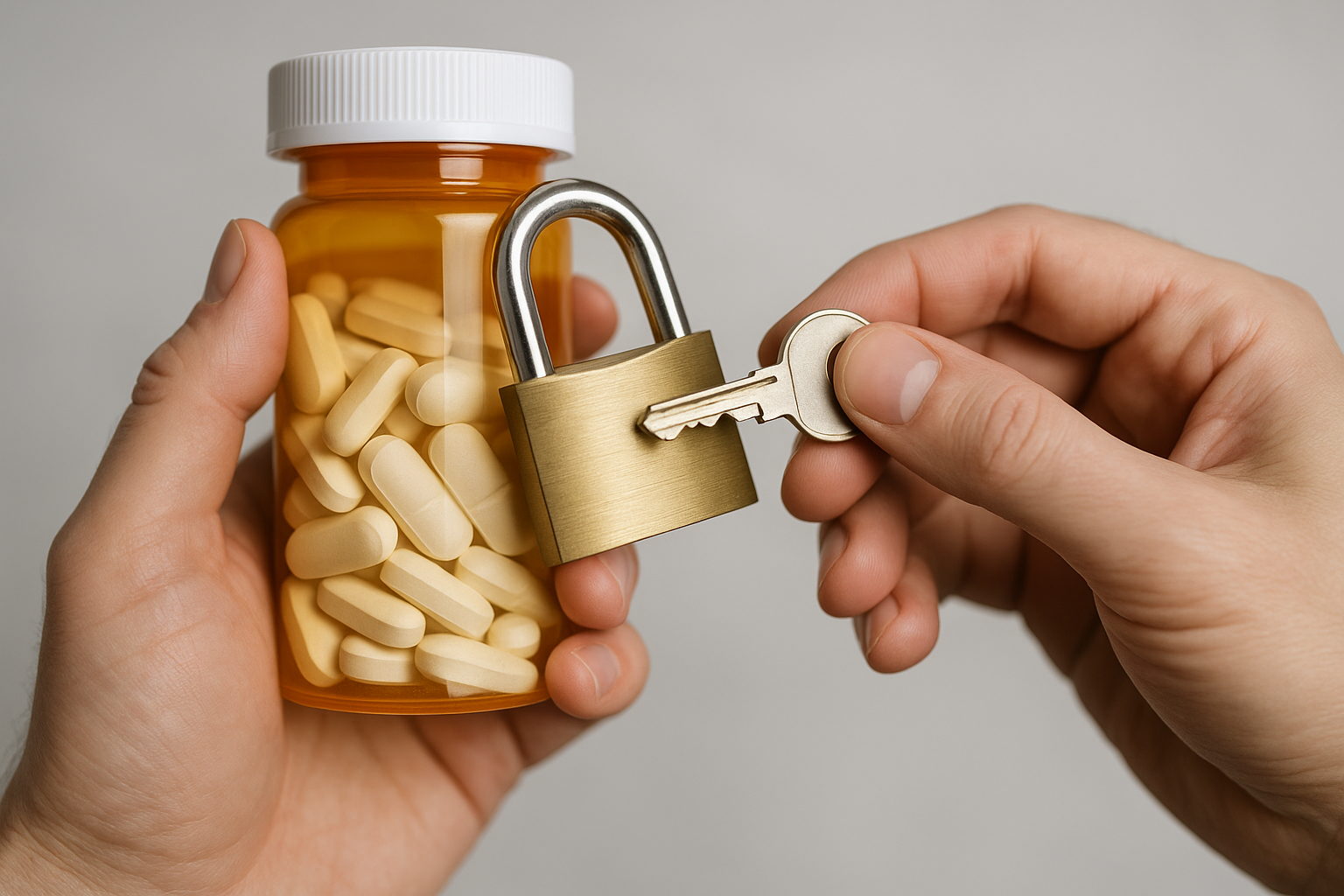
Understanding Prescription Assistance Programs
Prescription Assistance Programs (PAPs) are crucial resources for individuals without insurance, providing access to medication that might otherwise be unaffordable. These programs are typically sponsored by pharmaceutical companies or non-profit organizations and are designed to help those in financial need or with limited healthcare coverage.
How Do Prescription Assistance Programs Work?
PAPs offer free or low-cost medicines to eligible individuals. The process usually involves applying via the program's website or through healthcare providers who assist in managing paperwork. Once approved, the medications may be distributed directly to the patient’s home or to their healthcare provider's office.
Each program has specific eligibility criteria, often based on income level, family size, and lack of prescription coverage. Some require documentation to verify these criteria, such as tax returns or pay stubs.
Eligibility Criteria for PAPs
Determining eligibility can vary significantly from one program to another. However, common factors include:
- Proof of income that meets the program’s financial guidelines.
- Demonstrated lack of insurance or insufficient prescription coverage.
- Residency in the country where the program is offered.
- A prescription from a healthcare provider for the necessary medication.
To illustrate, NeedyMeds, a reputable non-profit organization, provides a comprehensive database of PAPs along with their specific requirements, simplifying the application process for individuals in need.
Types of Prescription Assistance Programs
Pharmaceutical Company Programs
Many pharmaceutical manufacturers offer their own assistance programs. These are typically designed for medications the companies produce, and they often cover high-cost prescription drugs that are not accessible through other means. Examples include the Pfizer RxPathways and Merck's Patient Assistance Program.
Non-Profit Organizations
Non-profits play a vital role in providing medication assistance. Organizations like the Patient Advocate Foundation offer co-pay relief programs, which help cover the gap between what patients can afford and what is required by their insurance plans. They also advocate for policy changes to improve access to essential medications.
State and Local Government Programs
Beyond national programs, many states have initiatives to ensure residents can receive the medications they need. These are often geared toward those who do not qualify for federal programs like Medicaid but still find drug costs prohibitive.
The Impact of Prescription Assistance on Health Outcomes
Access to medication is a critical component of effective healthcare, and PAPs can significantly impact patient well-being. Studies show that affordable access to prescriptions can lead to improved adherence, fewer hospitalizations, and overall better management of chronic illnesses, such as diabetes or hypertension.
A 2026 report from the National Bureau of Economic Research highlights that people who utilize PAPs have a 30% greater likelihood of adhering to their prescribed medication plans compared to those without access, reducing emergency healthcare needs substantially.
Challenges and Solutions in Navigating PAPs
Challenges
Despite their benefits, PAPs can be challenging to navigate due to:
- Complex application processes.
- Varying eligibility criteria among different programs.
- Lack of awareness among potential beneficiaries.
Solutions
Successfully accessing these programs requires strategic approaches, such as:
- Utilizing resources like NeedyMeds to find programs and help with applications.
- Contacting local health clinics for assistance with paperwork.
- Seeking help from organizations that specialize in pharmaceutical access and patient advocacy.
Conclusion
Prescription Assistance Programs are indispensable for individuals without insurance, offering a lifeline to essential medications. By harnessing these resources, patients can not only adhere better to treatment regimens but also improve their long-term health outcomes. Awareness and understanding of PAPs empower individuals to make informed choices about their healthcare needs.
For those exploring these options, leveraging the expertise of health professionals and advocacy groups can facilitate access to life-changing medications, ultimately providing a pathway toward healthier, more stable lives.