Unlocking the Secrets: What Insurers Really Monitor When You're on the Road
Discover what insurers track when you drive your car to determine premiums. Learn how driving behavior, like speed and braking patterns, can impact your insurance rates. Understand the balance between privacy and transparency as insurance companies use technology to collect data.
Understanding What Insurers Track When You Drive Your Car
In today’s interconnected world, the use of telematics in vehicles is a rising trend, providing valuable data not only for you but also for insurers. This technology is reshaping how insurance companies assess risk and determine premiums. But what exactly are insurers interested in when you're on the road, and why is it so important?
What are Telematics?
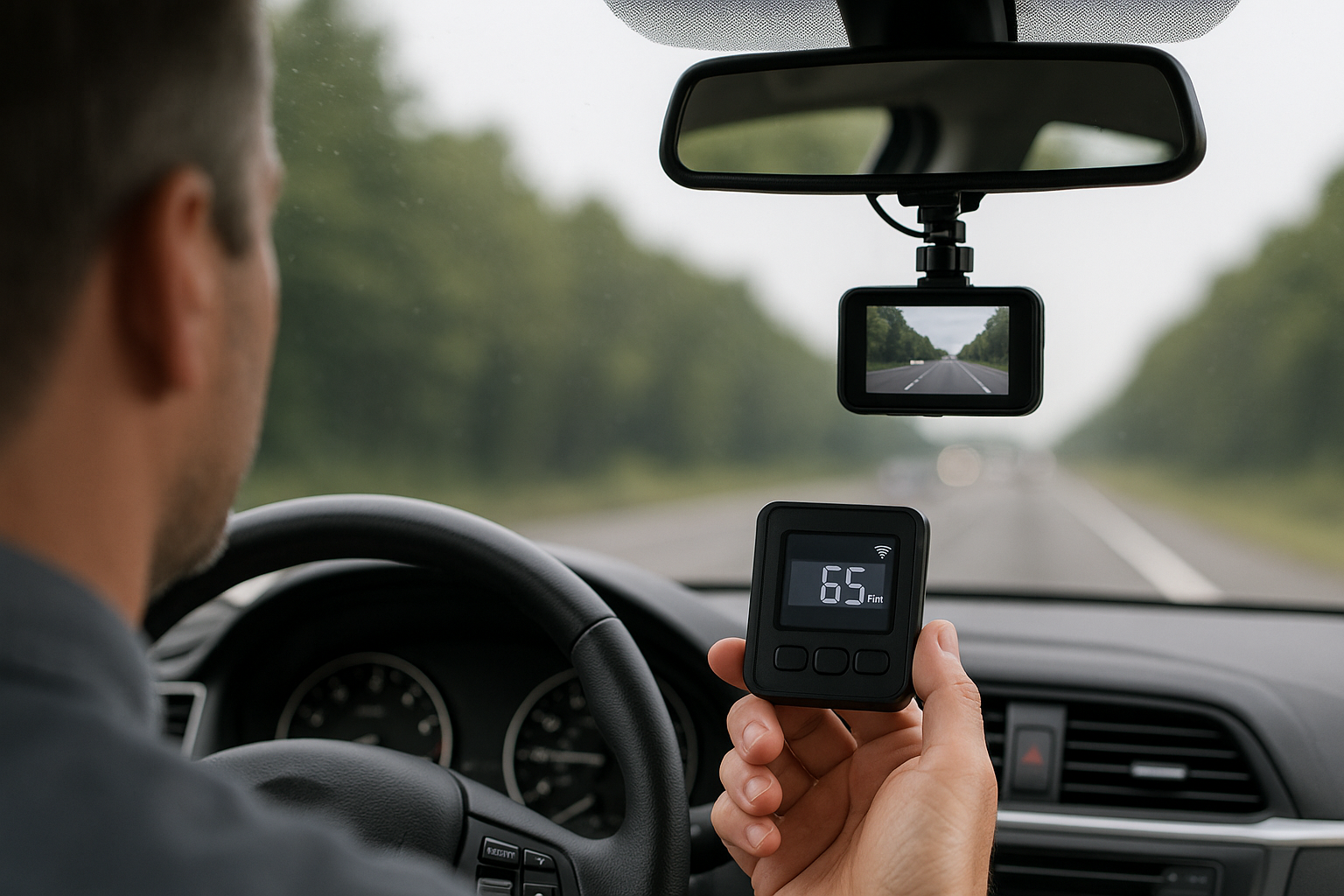
Telematics refers to the use of wireless telecommunications to transmit data. In the context of auto insurance, telematics devices gather and transmit information about a vehicle’s location, usage, maintenance needs, and driver behavior. This data can then be used to adjust insurance premiums based on how safely — or how often — you drive.
Key Data Points Insurers Track
With the adoption of telematics, insurers track a variety of data points to better assess the risk levels associated with a driver. Here are the main factors they consider:
- Driving Habits: Data about your speed, acceleration, braking patterns, and corner handling helps insurers evaluate your driving skills and habits.
- Mileage: The total distance you drive in a given period can signal how frequently you’re on the road, which is a direct factor in your exposure to potential incidents.
- Time of Day: Insurers often analyze whether you drive during high-risk periods such as night hours or peak traffic times.
- Geographic Location: High traffic or accident-prone areas could impact risk assessment and premiums.
Why Do Insurers Track This Data?
The main reason insurers track this data is to create a personalized risk profile for each driver. Traditionally, risk profiles were formed based on general age, gender, and location statistics. However, dynamic data allows for a more individualized approach, potentially leading to fairer pricing.
According to a 2026 study by the National Association of Insurance Commissioners (NAIC), telematics programs have helped reduce overall insurance costs for over 40% of drivers in programs utilizing behavior-based insurance.
The Benefits of Using Telematics for Drivers
There are several advantages for drivers who participate in telematics programs:
- Potential Cost Savings: By demonstrating safe driving habits, you might qualify for lower premiums. An ABI Research conducted in 2026 revealed that drivers participating in telematics programs saved an average of 15% on insurance costs annually.
- Increased Safety: Awareness that driving behavior is being monitored tends to encourage safer driving practices, leading to fewer accidents.
- Feedback and Improvement: Real-time feedback allows you to adjust driving habits that may be risky, effectively improving road safety over time.
Addressing Privacy Concerns
While telematics presents significant benefits, it also raises privacy concerns. Drivers are rightfully curious about:
- Data Usage: How exactly is your data utilized beyond risk assessment? Are there limits to the third-party sharing of this information?
- Data Security: What measures are in place to protect your personal and driving data from unauthorized access?
Most insurers have clear policies regarding data use and adhere to stringent regulatory standards, but it’s essential for drivers to review these practices before enrolling in a telematics program.
The Future of Telematics and Auto Insurance
As technology advances, telematics will likely become a standard component in new vehicles, and more insurers will offer programs that leverage this data. The Insurance Information Institute in its 2026 report highlights that by the end of the year, over 60% of all new cars sold in the U.S. will have built-in telematics systems.
This shift not only promises enhancements in insurance pricing models but also encourages safer driving environments due to increased awareness and personalized feedback. As society moves towards more connected devices and smart technologies, telematics will form a backbone of a safer, more efficient roadway system.
By understanding what insurers track and why, you can better navigate your insurance choices, potentially saving money while contributing to a safer driving culture.