Unlocking the True Cost: What You Should Know Before Buying a Used SUV
Discover what factors influence how much you should pay for a used SUV. Whether you're aiming for fuel efficiency, offroad capability, or everyday practicality, finding a balance between cost and quality is key.
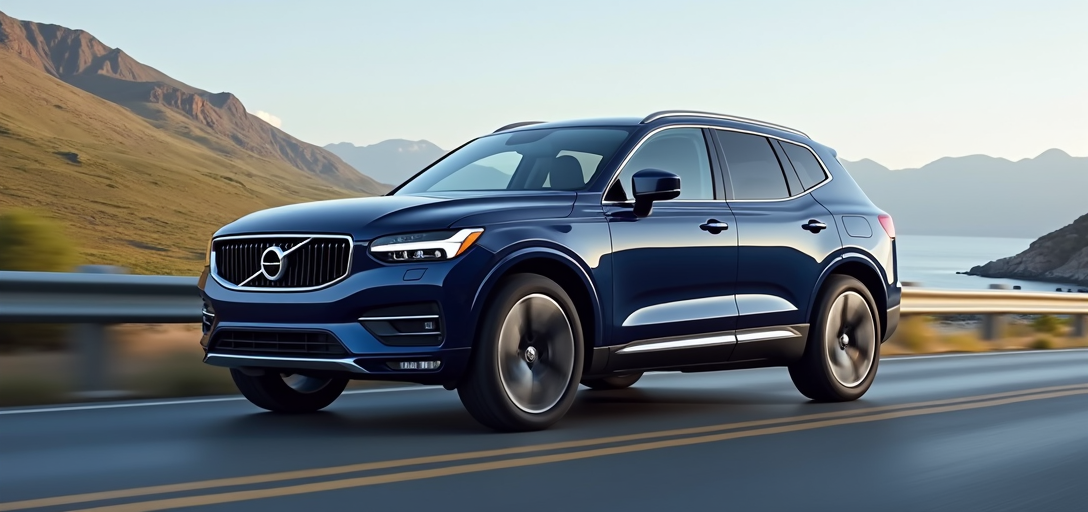
Understanding the Factors Influencing the Price of a Used SUV
Purchasing a used SUV can be a smart investment, offering substantial cost savings compared to a brand-new model. However, determining how much to pay for a pre-owned SUV involves understanding various factors that can influence its price. When you are aware of these factors, you can make a more informed decision and ensure you are getting value for your money.
1. Age and Mileage
Two of the most significant factors affecting the price of a used SUV are its age and mileage. Typically, vehicle depreciation accelerates in the first few years of ownership and levels off as the vehicle ages.
- Age: As a rule of thumb, a car loses about 20% of its value within the first year, and 15% each year afterwards, according to a 2026 report from Kelley Blue Book.
- Mileage: The average annual mileage in the US is around 13,500 miles. Vehicles with mileage higher than average for their age may be priced lower due to expected wear and tear.
2. Vehicle Condition
The condition of the SUV significantly impacts its price. This includes both the mechanical functionality and the cosmetic state of the vehicle:
- Mechanical Condition: Ensure the SUV is in good running order. A pre-purchase inspection by a trusted mechanic is advisable to spot any hidden issues.
- Exterior and Interior Condition: Scratches, dents, or a worn interior can reduce a vehicle's value. Well-maintained vehicles, even if older, often fetch higher prices.
3. Vehicle History Report
Accessing a vehicle history report is crucial when buying a used SUV. Services like Carfax or AutoCheck provide data on past ownership, service history, and accidents, which can all affect the price.
- Accident History: SUVs with a history of accidents may be priced lower, but they may also involve greater long-term costs.
- Service Records: Comprehensive service records indicate proper maintenance, which can justify a higher price.
4. Make and Model
The brand and model of an SUV can also influence its resale value. Popular brands with a reputation for reliability, such as Toyota and Honda, often have higher resale values.
- Market Demand: High-demand models can maintain value better than those less sought after.
- Brand Reputation: Brands known for durability and low maintenance costs can command higher prices.
5. Market Trends in 2026
According to recent market trends (source: National Automobile Dealers Association, 2026), consumers in the US continue to favor SUVs due to their versatility in urban and rural settings, which has kept demand, and thus prices, steady. Additionally, increased interest in electric and hybrid models has positioned these as more cost-heavy compromises in the SUV category.
Where to Research Used SUV Prices
Knowing where to look for accurate SUV pricing can equip you with better bargaining power:
1. Online Valuation Tools
Websites like Kelley Blue Book, Edmunds, and NADA Guides provide remarkable online tools for gauging vehicle prices based on year, make, model, and current condition.
2. Dealerships and Online Marketplaces
Survey local dealership offers and online platforms such as Autotrader and Craigslist. Comparing multiple sources provides a broader perspective on what constitutes a fair price for the SUV you're interested in.
Bargaining Tips for Buying a Used SUV
Negotiating the price of a used SUV can save you a significant amount of money. Here are some key strategies:
1. Be Informed
Having all the facts and figures at your fingertips helps in making a strong case. Go into negotiations equipped with information on similar SUVs in the market.
2. Leverage Vehicle Flaws
If the SUV has cosmetic damages or lacks certain features, use these as leverage to negotiate a lower price.
3. Set a Firm Budget
Know your maximum spend limit and stick to it, even if you are swayed by other conditions on the table. It helps to be firm but flexible, understanding both your needs and financial constraints.
Advice on Financing a Used SUV
Whether you're buying outright or financing, understanding your options can be critical to making an informed decision. In 2026, interest rates have reached highs not seen in recent years. Thus, exploring different financing options available to you is crucial.
1. Compare Lenders
Shop around for the best interest rates and loan terms from banks, credit unions, and online lenders before signing any deal.
2. Check Your Credit Score
Your credit score plays a substantial role in determining the interest rate you may qualify for. An excellent credit score could save you thousands over the lifespan of the loan.
3. Consider a Shorter Loan Term
Although monthly payments will be higher, a shorter loan term reduces the amount of interest paid over the life of the loan, potentially saving you money.
Conclusion: Making a Smart Purchase
Comprehensively understanding these various aspects and conducting thorough research are key to ensuring you pay a fair price for a used SUV. With the right knowledge and preparation, you can secure a dependable vehicle at a price that fits your budget. Remember, patience and diligence can significantly enhance your buying experience, and ultimately, your satisfaction with the SUV you choose.