Unlocking the True Market Value of Your Motorcycle: A Guide to Accurate Resale Value Checks
Curious about the worth of your motorcycle? Discover insights on how to assess your motorcycle resale value and make more informed decisions.
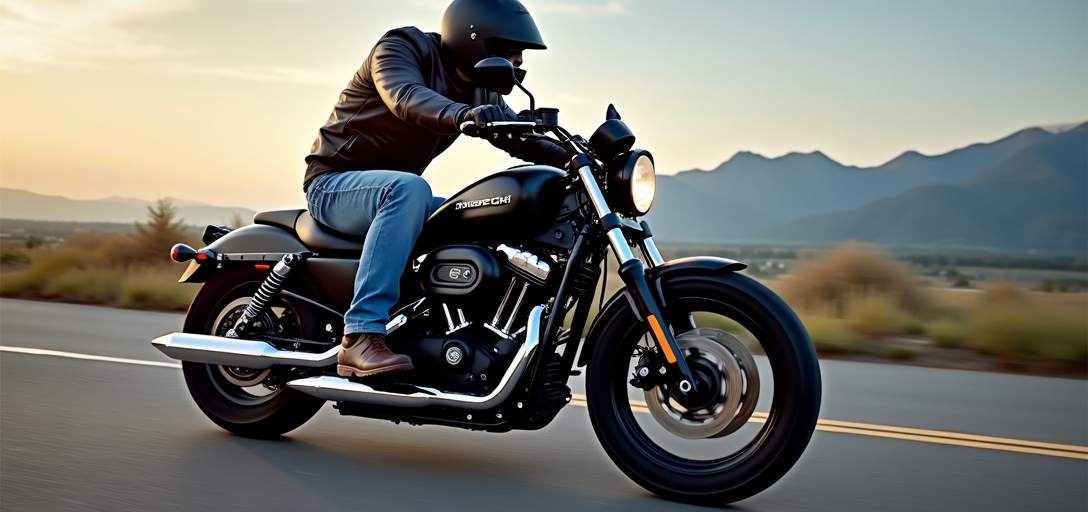
Understanding Motorcycle Resale Value
When considering selling a motorcycle or just analyzing its worth, understanding its resale value becomes essential. Knowing the factors influencing that value is critical, whether you're a seasoned rider or considering your first sale. Here, we'll dive into the essentials that determine motorcycle resale value in the US and provide tools and tips to help you check it efficiently.
What Determines Motorcycle Resale Value?
The resale value of a motorcycle is influenced by several factors. Being aware of these can help you estimate your motorcycle's worth more accurately:
- Make and Model: Some brands and models hold their value better over time. For instance, Harley-Davidson bikes often retain value well due to their reputation and demand.
- Year and Mileage: Similar to cars, newer motorcycles with lower mileage generally have higher resale values. According to a 2026 market analysis by Kelley Blue Book, bikes typically lose 20% of their value per year in their first two years but stabilize afterward.
- Condition and Maintenance: A well-maintained motorcycle with proper service records often garners a higher price.
- Market Demand: The demand for certain types of motorcycles, such as cruisers or sportbikes, fluctuates affecting resale potential.
- Modifications: While some customizations can add value, others might discourage buyers who prefer stock models.
How to Accurately Check Your Motorcycle's Resale Value
There are various resources available to help evaluate your motorcycle's resale value in 2026, these range from online tools to professional appraisal services:
- Kelley Blue Book (KBB): KBB offers a comprehensive tool for checking motorcycle values based on make, model, and year. Their data is updated regularly to reflect current market trends. Visit their official site for more information.
- NADA Guides: The National Automobile Dealers Association provides a reliable database for determining vehicle prices and offers a specific section for motorcycles. Check their listings at NADA Guides.
- Local Dealerships: Engaging with a local dealership can give insights into the resale value based on geographical demand. Sometimes dealers offer free appraisals or can provide estimates based on current trends.
Tips for Maximizing Your Motorcycle's Resale Value
If you're planning to sell your motorcycle, enhancing its resale value can yield a better return. Here are some actionable strategies:
- Regular Maintenance: Ensure the motorcycle is regularly serviced and maintain records. A comprehensive maintenance history can significantly increase buyer confidence.
- Appearance: Minor cosmetic upgrades such as paint touch-ups or replacing worn parts can improve the first impression significantly.
- Timing the Sale: According to industry experts, selling during the spring season, when buyer interest is high, could potentially lead to better prices.
Potential Challenges in Determining Resale Value
While tools and resources make it easier to assess value, there are still challenges you might face:
- Market Fluctuations: Unexpected shifts in the economy or sudden changes in fuel prices can affect demand for motorcycles.
- Over-customization: Unique customizations can sometimes diminish the appeal due to specific taste preference mismatches.
Why Resale Value Matters
Considering resale value is important not only for resale purposes but also to understand the depreciation of an investment over time. Higher sales often correlate with better overall satisfaction and ownership experience.
In conclusion, being proactive about understanding your motorcycle's resale value and taking steps to maintain or increase it can contribute to a more profitable and satisfying selling experience. For instance, in 2026, Harley-Davidson's average resale value has seen a 3% increase over the past year due to consistent demand (source: Motorcycle Data & Insights Report 2026).
Being informed and prepared will not only boost your negotiating power but also help you align with current market conditions to achieve the best possible outcome. With this knowledge in hand, use it to make well-rounded decisions regarding your motorcycle’s future, ensuring it remains an asset rather than a liability.