Unlocking Value: Smart Strategies for Buying Bank-Repossessed Tractors in 2026
Discover the potential of bankrepossessed tractors as a smart buying choice for 2026. This guide offers insights into navigating auctions and evaluating tractor value without overspending.
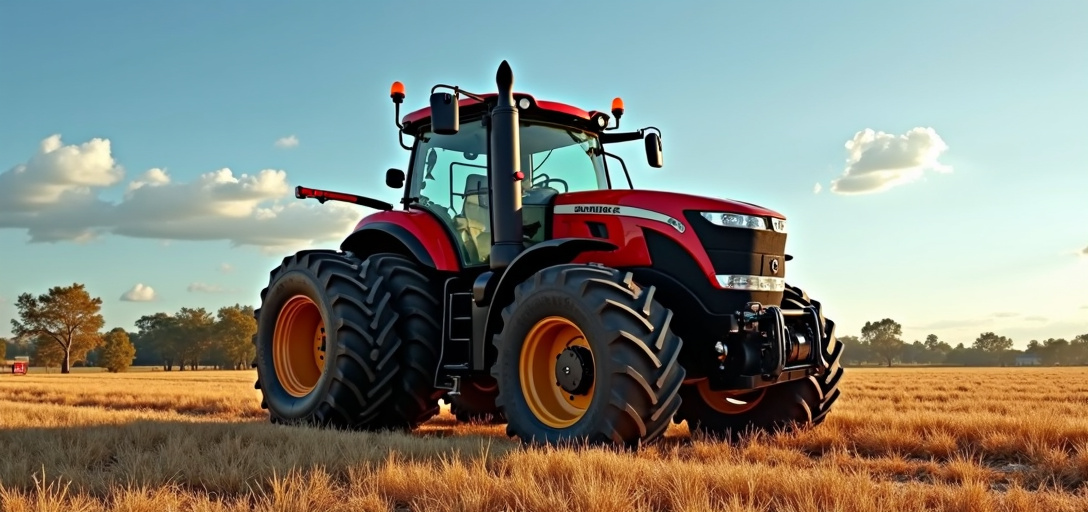
Understanding Bank-Repossessed Tractors
As the agricultural industry continues to evolve, many farmers and business owners are seeking cost-effective ways to scale their operations with high-quality equipment. One such opportunity lies in acquiring bank-repossessed tractors, a growing trend among smart buyers seeking value for money in 2026. This guide will help you understand the intricacies of purchasing repossessed tractors, providing you with the knowledge needed to make informed decisions.
What Are Bank-Repossessed Tractors?
Bank-repossessed tractors are agricultural vehicles that have been repossessed by financial institutions due to the original owner's inability to make payments on their loan or lease. This situation often arises from financial difficulties faced by the borrower. These tractors are then sold by the banks to recover the outstanding loan amount. Typically, these vehicles are offered at auctions or through private sales at significantly reduced prices.
The Benefits of Purchasing Repossessed Tractors
Buying a repossessed tractor can offer several advantages, including:
- Cost Savings: Repossessed tractors are generally sold at prices lower than their market value, allowing buyers to secure high-quality equipment at a bargain.
- Faster Purchase Process: Auctions and bank sales often result in quicker sales transactions compared to traditional markets.
- Variety of Options: As tractors are repossessed from various sources, buyers can find a wide range of models and brands to choose from.
Risks and Considerations
While cost savings are appealing, potential buyers must bear in mind certain risks associated with purchasing repossessed tractors. Here are a few considerations:
- Condition of the Equipment: Repossessed tractors may not be in perfect condition. It's crucial to inspect them thoroughly for any defects or necessary repairs.
- Limited Warranty: Unlike new purchases, these tractors often come without a warranty. Buyers should be prepared to assume any repair costs after purchase.
- Purchase Terms: Auction processes can be competitive and may require upfront payment or secure financing quickly.
How to Buy Bank-Repossessed Tractors: A Step-by-Step Guide
Research and Identify Available Options
Begin your search by identifying banks and financial institutions that regularly auction or sell repossessed tractors. Additionally, explore online auction platforms specializing in agricultural equipment. A few notable sites include:
These platforms provide up-to-date listings of available equipment and upcoming auction events.
Evaluate Condition and History
Once you've identified potential options, request detailed information about the tractor's condition and history. Check for:
- Service records and maintenance history
- Usage hours and prior workload
- Any signs of damage or previous repairs
Whenever possible, schedule an in-person inspection or hire a professional appraiser to assess the tractor's condition.
Secure Financing
Before proceeding with a purchase, calculate your budget and secure necessary financing. Given the competitive nature of auctions, having a pre-approved loan or sufficient funds available can enhance your bargaining power. Contact your bank or explore financing options through agricultural lenders.
Participate in Auctions or Direct Sales
After securing financing, engage in bidding through auctions or negotiate directly with the selling institution. During auctions, set a maximum bid to avoid overspending in a competitive environment. For direct sales, leverage price data from similar sales to negotiate a fair price.
Finalize the Purchase
Upon winning a bid or reaching a purchase agreement, complete the necessary paperwork, including title transfer and bill of sale. Ensure compliance with any state-specific registration requirements for agricultural equipment. Once the acquisition is formalized, arrange for transportation of the tractor to your property.
Current Market Trends and Data (2026)
In 2026, the demand for secondhand agricultural equipment, including repossessed tractors, has seen a significant uptick. According to the 2026 Tractor Market Report, the US market for used agricultural equipment is expected to grow by 7% year-over-year, driven by rising costs of new machinery and increasing interest in sustainable farming practices.
Additionally, data from American Equipment Research indicates that farmers are becoming more proactive in attending auctions, both online and in physical venues, to capitalize on cost savings offered through repossessed and used equipment sales.
Conclusion
Purchasing a bank-repossessed tractor offers an advantageous pathway for farmers and agricultural businesses to acquire essential equipment at a reduced cost. By following strategic steps—from researching and inspecting potential purchases to securing financing and participating in auctions—you can mitigate risks and enjoy the benefits of a savvy investment. Stay informed about market trends and equip yourself with the knowledge necessary to navigate the repossessed tractor market successfully.