Unseen Clues: How to Spot Hidden Problems with Your Roof Before It's Too Late
Worried about your roof's health? Discover these often overlooked warning signs that can reveal hidden issues with the roof. This guide helps homeowners identify potential problems without overpromising solutions.
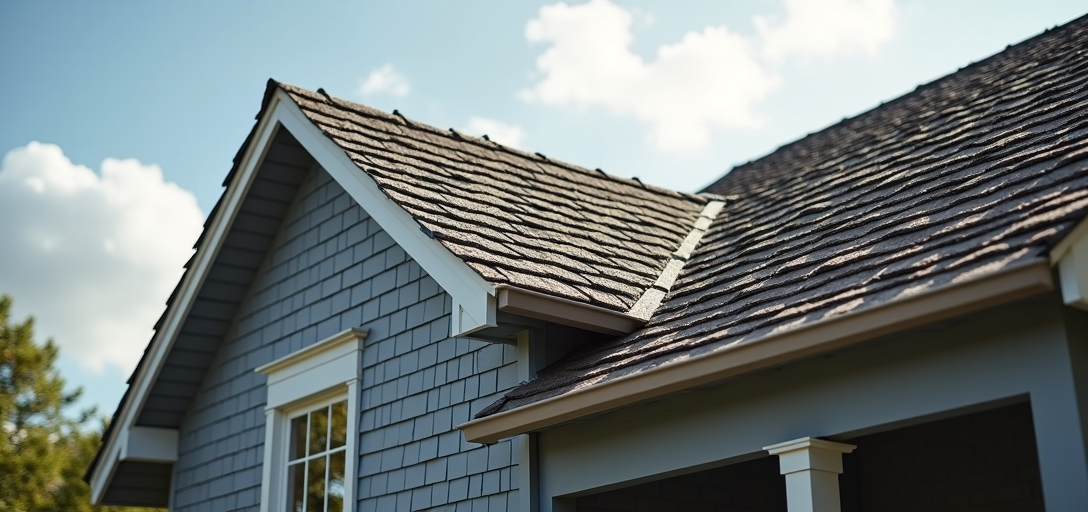
Understanding the Importance of Roof Maintenance
Homeowners in the U.S. often overlook roofing issues until they escalate into significant problems. Regular maintenance and awareness of the warning signs can prevent costly repairs and ensure the longevity of your home's roof. According to the National Roofing Contractors Association, roofs should be inspected at least twice a year, in the spring and fall, to catch any potential issues early.
Why Regular Roof Inspections Matter
Roofs serve as the first line of defense against environmental elements such as rain, snow, wind, and the sun. Over time, even the most robust roofing materials can degrade. Regular inspections help in identifying minor issues that could turn into serious damage if left unattended.
- Extended roof lifespan
- Prevention of costly damages
- Maintenance of energy efficiency
- Improvement in property value
Common Warning Signs of Roof Problems
A key part of roof maintenance is recognizing the warning signs that can indicate underlying problems. Here are some common indicators:
Missing or Damaged Shingles
Shingles protect the roof from water damage. Missing or damaged shingles can expose the roof structure to moisture, leading to leaks and rot. Inspect your roof for shingles that are curled, cracked, or entirely missing. In 2026, roofing experts reported that shingle damage accounts for over 60% of roof-related issues.
Water Stains on Ceilings and Walls
Water stains in your home are a tell-tale sign of a leaking roof. These stains often appear as dark or yellowish marks and indicate that water has infiltrated your home, potentially leading to mold growth. Addressing these leaks promptly can prevent structural damage.
Granules in Gutters
Over time, shingles lose granules, the tiny rocks adhered to the surface. If you notice an accumulation of granules in your gutters, it could signal that your roof is nearing the end of its life. This is especially common with asphalt shingles.
Addressing Potential Roof Issues
Once you’ve identified potential problems, addressing them promptly is crucial. Here’s how you can approach roof maintenance and repairs:
Conducting a Thorough Roof Inspection
Although DIY checks can catch obvious signs, hiring a professional roofer for a detailed inspection is recommended. Professionals have the skills to identify less apparent issues and use advanced tools to assess the roof's condition comprehensively.
Choosing the Right Repair Solutions
Once the issues are identified, choosing appropriate repair solutions is vital. For minor repairs, patching up small leaks and replacing damaged shingles might suffice. For more severe damage, roof replacement could be necessary. A study in 2026 by Roofing Contractor magazine highlights that early intervention in repairing damage can reduce the overall cost by up to 50%.
When to Opt for Roof Replacement
If repairs become frequent or the roof has exceeded its expected lifespan (usually 20-25 years for asphalt shingles), it might be time for a full replacement. It is a significant investment but necessary for long-term peace of mind and the safety of your home.
Innovations in Roofing Technologies
The roofing industry is evolving, with new technologies being developed to enhance durability and efficiency. Staying informed about these innovations can help homeowners make smarter choices for their roofing needs.
Eco-Friendly Roofing Options
Sustainable roofing options, including solar roofs and green roofs, not only help reduce environmental impact but can also lead to utility savings. A report by the U.S. Green Building Council in 2026 indicates that homes with eco-friendly roofs see a 30% reduction in energy bills.
Smart Roof Technologies
Smart roofs equipped with sensor technology can detect changes in temperature, humidity, and pressure. These roofs offer real-time data, alerting homeowners to potential problems before they lead to severe damage. Many insurance companies offer discounts for homes equipped with this tech due to the reduced risk of extensive claims.
Conclusion
Regularly monitoring your roof for warning signs and investing in timely repairs can save you significant headaches and expenses. Being informed about the latest trends and technologies in roofing will help you make the best decisions for your home. By understanding and addressing roofing issues proactively, you contribute to the health and sustainability of your home.