Unveiling Apple's First Foldable iPhone: Essential Insights for Tech Enthusiasts
Curious about Apple's first foldable iPhone? Discover what makes this innovative device a potential gamechanger in the tech world. While Apple hasn't released concrete details yet, industry experts are buzzing with predictions about its features and impact.
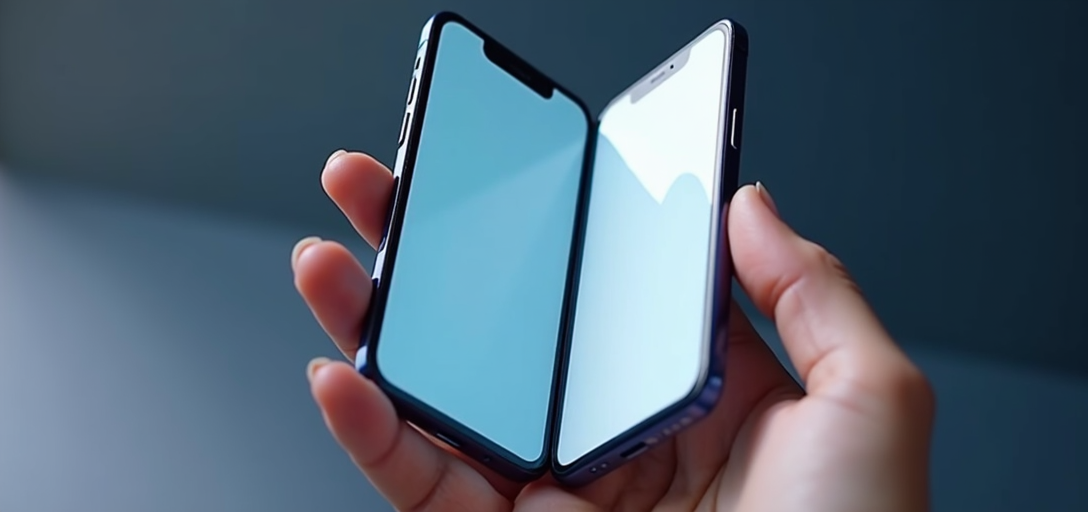
The Evolution of Apple's Foldable Phone Technology
Apple has been a key player in the smartphone market for over a decade, known for its innovation and design excellence. In 2026, the company is poised to enter the foldable smartphone arena with the highly anticipated launch of its first foldable iPhone. The concept of foldable phones has been in the industry for a few years now, thanks to competitors like Samsung and Huawei. However, Apple’s entry into this segment is likely to redefine standards and reshape expectations.
What Makes the Foldable iPhone Stand Out?
The first foldable iPhone is expected to combine advanced technology with Apple's signature design philosophy. Unlike the traditional slab-style phones, a foldable iPhone offers the best of both worlds: a standard, pocket-sized phone that unfolds to deliver a tablet-size display. Let's delve into the key aspects that make Apple's foldable iPhone a topic of immense interest.
- Design and Display: Apple is reportedly using OLED technology to ensure a seamless folding experience with high resolution and vibrant colors. The design is likely to focus on minimizing the crease effect that plagues many current foldable devices.
- Software Optimization: Apple has always been known for its robust iOS ecosystem. The foldable iPhone is expected to introduce enhanced multitasking features, boosting productivity by allowing users to run multiple apps side by side efficiently.
- Durability: Durability is often a concern with foldable phones, as components are subject to stress from repeated folding and unfolding. Apple is rumored to be using specialized materials for increased resilience, aiming to deliver both elegance and durability.
Why Is Now the Right Time for Apple's Foldable Phone?
The timing of Apple’s foray into the foldable market is significant. As of 2026, consumer preferences are increasingly leaning toward hybrid devices that offer both portability and extensive functionality. The foldable smartphone market is projected to experience a compound annual growth rate of approximately 73% from 2023 to 2028, according to a report by MarketWatch (source: MarketWatch).
Consumer Demand and Market Trends
Consumers in the US and globally are drawn to the versatility of foldable phones. They cater to a growing demand for devices that support both work and entertainment on-the-go, which aligns with the remote working trend that gained prominence during the COVID-19 pandemic. With foldable smartphones, users enjoy the larger screen real estate without compromising on portability.
Challenges and Considerations for Apple
Despite the many advantages, launching a foldable iPhone doesn't come without its challenges. To understand the comprehensive landscape, it's essential to look at some hurdles Apple might face.
Technical and Manufacturing Challenges
Apple's venture into the foldable space involves navigating significant technical challenges, such as ensuring the longevity of the foldable display and overcoming the manufacturing complexities associated with new material technologies. Apple’s expertise in supply chain management and innovation positions it well to tackle these issues, but it remains a crucial area of focus (source: TechCrunch).
Market Competition
Competition in the foldable smartphone segment is fierce. Companies like Samsung, with its Galaxy Fold series, have already cemented their presence in the market, offering multiple generational upgrades. Apple will need to differentiate its product with unique features and a compelling value proposition.
What Does Apple's Foldable iPhone Mean for the Future?
Apple’s introduction of a foldable iPhone is likely to have broad ramifications across the tech industry, influencing everything from consumer expectations to the evolution of app interfaces.
Impact on Consumers
For consumers, the foldable iPhone represents a shift towards more versatile mobile computing. It heralds a future where the line between phones and tablets continues to blur, offering new ways of interaction and engaging with media. This innovation will likely push other manufacturers to enhance their offerings, further benefiting consumers.
Implications for Developers and Accessory Makers
Software developers and accessory makers will also need to adapt. App creators will need to optimize their offerings for a split or expanded screen experience, ensuring that users can seamlessly transition between phone and tablet modes. Accessory manufacturers might see new opportunities arise, such as cases and screen protectors tailored for foldable devices.
Conclusion
In conclusion, Apple's first foldable iPhone marks a significant milestone in the smartphone industry. This device is poised not only to capture the interest of tech enthusiasts but also to potentially set new benchmarks for future smartphones. While challenges remain, the anticipation around this device underscores a broader industry shift toward innovation and consumer-centric design.
The foldable iPhone is more than just a new form factor; it's a step towards redefining how we perceive and interact with mobile technology, integrating the best features of tablets and phones into a single, fluid experience.