Unveiling the Truth: Lab-Grown Diamonds vs. Mined Diamonds
Explore the fascinating world of labgrown diamonds and discover how they compare to real mined diamonds.
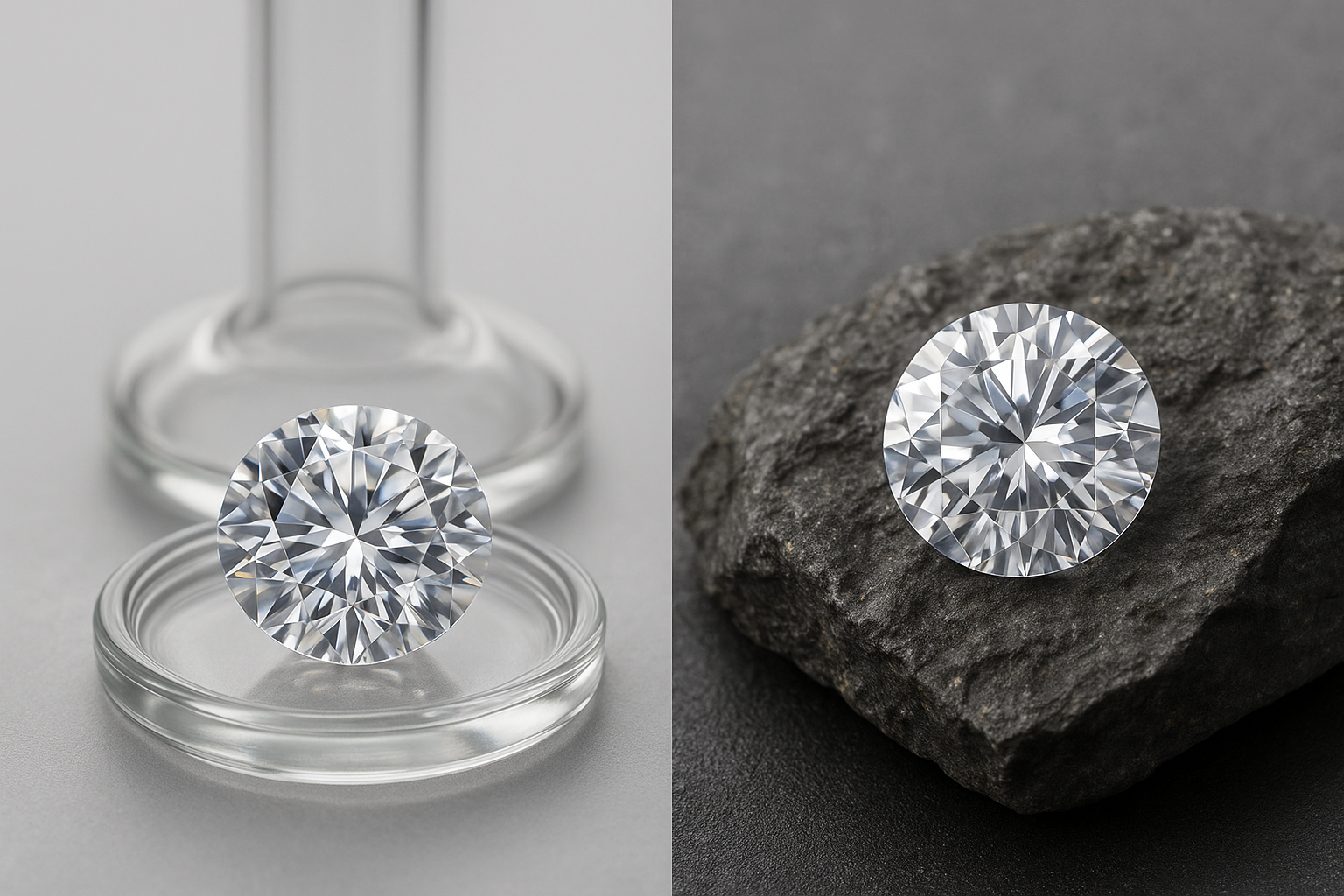
Understanding Lab-Grown Diamonds and Mined Diamonds
Diamond jewelry has long been a symbol of luxury, commitment, and beauty. In recent years, a new player has entered the market: lab-grown diamonds. This development raises questions about the differences, or lack thereof, between lab-grown and mined diamonds. Are they equally desirable, durable, and authentic?
This article aims to demystify the distinctions between these two types of diamonds by considering their chemical composition, physical properties, ethical implications, cost, and consumer perceptions.
Are Lab-grown Diamonds Chemically Identical to Real Mined Diamonds?
One of the most common questions asked is whether lab-grown diamonds are chemically the same as their natural counterparts. The answer is yes. Both lab-grown and mined diamonds consist of crystalline carbon structures, and under a microscope, they are indistinguishable.
According to Gemological Institute of America (GIA), both types of diamonds possess identical chemical and physical properties: they are pure carbon with a cubic crystal structure.
Delving Deeper into Physical and Chemical Properties
Both lab-grown and mined diamonds rate 10 on the Mohs scale of hardness, making them the hardest known material. This means they are equally durable and scratch-resistant, vital properties for jewelry.
- Hardness: Both rate as 10 on the Mohs scale.
- Refractive Index: Both exhibit a refractive index of 2.42, responsible for the famous diamond sparkle.
- Thermal Conductivity: Both are excellent conductors of heat.
These identical properties mean that lab-grown diamonds offer the same aesthetic and functional qualities as mined diamonds.
Production Differences
Despite their similarities, the process of creating lab-grown diamonds significantly differs from how mined diamonds are formed. Mined diamonds are cultivated naturally over billions of years beneath the earth's surface, subjected to high pressure and temperature.
Lab-grown diamonds, however, are created using technological processes like Chemical Vapor Deposition (CVD) and High Pressure High Temperature (HPHT) in a span of mere weeks. These processes mimic the natural conditions in controlled settings.
Why Choose Lab-Grown Diamonds?
Choosing between lab-grown and mined diamonds often involves considering factors beyond physical appearance and chemical composition.
Environmental and Ethical Considerations
Mined diamonds contribute significantly to environmental degradation due to mining processes which can result in deforestation, ecosystem disruption, and soil erosion. Additionally, lab-grown diamonds mitigate the risks associated with conflict or "blood" diamonds, which have historically been linked to funding violence across various regions.
Recent studies, including one published by Earth.org, indicate that lab-grown diamonds are potentially 7 times less environmentally impactful than traditional mining processes.
Cost Implications
Price is another considerable factor when choosing a diamond. Lab-grown diamonds offer a more budget-friendly option, usually costing 20-40% less than comparable mined diamonds. This price difference arises from the less intensive labor and shorter production cycles involved in creating lab-grown diamonds. Consumer Reports in 2026 shown a rise in purchase trends toward lab-grown diamonds, mainly due to their affordability.
Consumer Perception and Market Impact
The market for lab-grown diamonds is on the rise. Consumers increasingly value ethical sourcing and environmental sustainability, prompting a shift in purchasing trends. Leading jewelers have begun to offer lab-grown diamonds as a sustainable alternative without compromising on quality or luxury.
Lab-grown diamonds are appealing to a younger demographic who are more conscious of environmental, ethical, and economic factors. This shift is evidenced by the increase in marketing and sales trends reported by the 2026 Diamond Industry Report.
Final Thoughts
Lab-grown diamonds provide a viable and appealing alternative to mined diamonds. By offering identical physical and chemical properties while also addressing environmental and ethical concerns, these gemstones are redefining the diamond market landscape. As technology advances and consumer awareness grows, lab-grown diamonds are likely to become an integral part of the jewelry industry.
Ultimately, the choice between a lab-grown and mined diamond remains personal, hinging on individual values, budgetary considerations, and preferences in eco-friendliness and ethical sourcing.