What You Need to Know About IRS Income Tax Changes in 2026
Discover how IRS income tax changes in 2026 might impact your finances. Stay informed about possible adjustments to the tax code and what they could mean for taxpayers. This article provides insight into potential updates, helping you understand the landscape for IRS income tax changes in 2026.
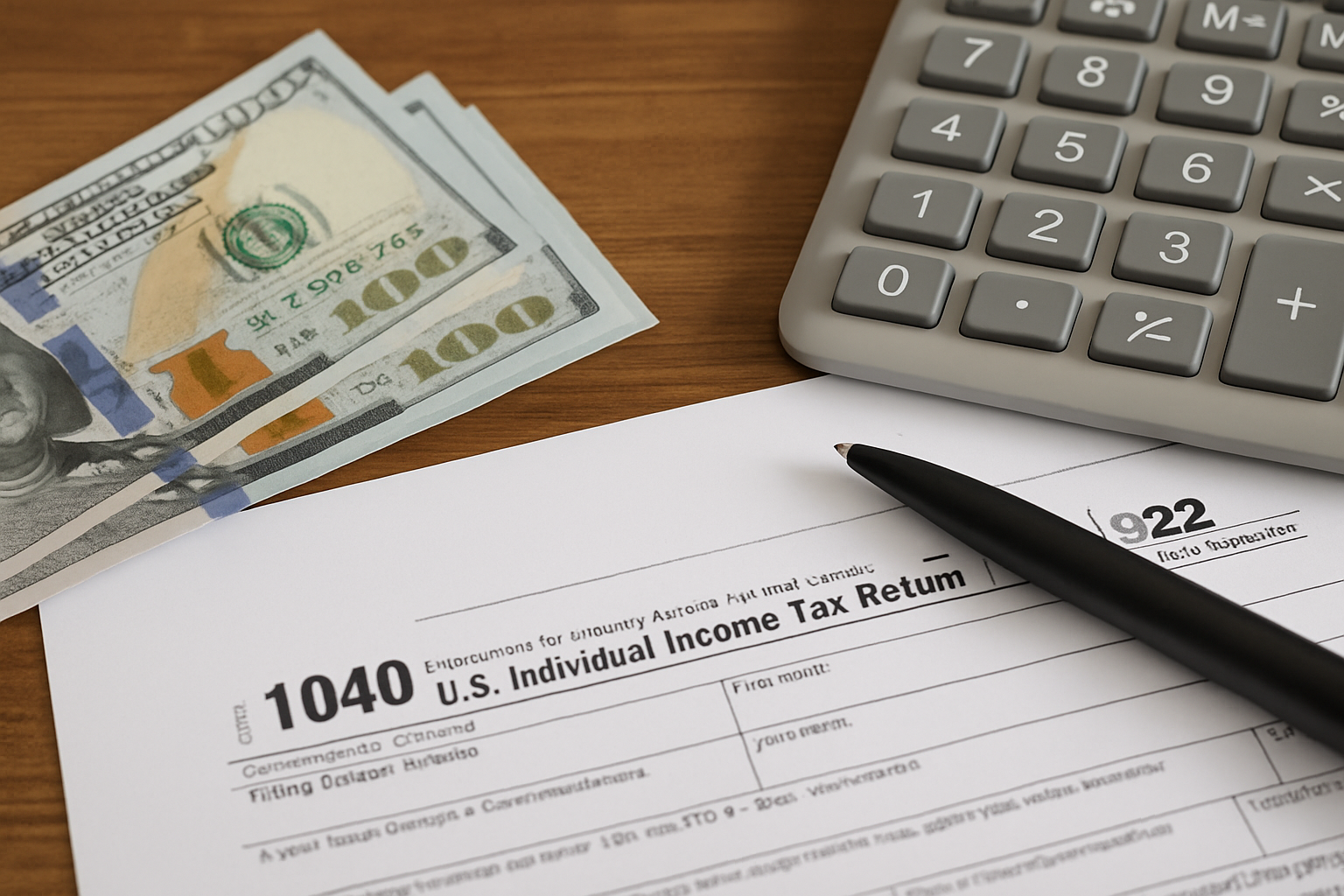
Understanding IRS Income Tax Changes in 2026
The Internal Revenue Service (IRS) regularly updates its tax policies, and 2026 brings several significant changes. Whether you're an individual taxpayer or a small business owner, understanding these updates is essential to ensure compliance and maximize your tax benefits.
What Are the Key Changes to Look For?
The 2026 tax changes include modifications to income tax brackets, standard deductions, and several relevant credits. Here is a breakdown of these key changes:
- Income Tax Brackets: The tax code has revised the income thresholds for various tax rates. This adjustment means that you might find yourself in a different bracket compared to previous years, potentially affecting the amount of tax you owe.
- Standard Deductions: The standard deduction has seen an increase, offering taxpayers a greater opportunity to reduce taxable income without itemizing. This change is particularly beneficial for middle-income families.
- Tax Credits: Certain tax credits, such as the Child Tax Credit, have been adjusted. Changes in qualification criteria or value could impact your tax refund and savings.
How Will These Changes Affect Individual Taxpayers?
Income Tax Brackets: The adjustment to tax brackets might mean you pay a different rate on your income compared to previous years. For example, if you were in the 22% bracket in 2025, you may now fall into the 24% bracket, depending on your income level. It's important to review your income and withholdings to prevent any surprise tax liabilities.
Standard Deductions: The increase in the standard deduction is set to benefit taxpayers who do not itemize. For instance, a single filer will now have a deduction of $15,000, compared to $13,850 in 2025. Married couples filing jointly will see an increase to $30,000. This change simplifies the filing process and may lead to more significant savings.
Impact on Families: Families can expect changes in child-related tax provisions. The Child Tax Credit has been restructured, with phase-out limits adjusted for inflation. This change will affect eligibility and the size of potential refunds for families across the income spectrum.
Implications for Small Business Owners
Small business owners should be aware of changes that directly impact their financial planning and tax reporting:
- Pass-Through Income: The deduction for qualified business income might witness modifications. Ensure you're aware of new restrictions or qualifications to claim maximum deductions.
- Depreciation Rules: Updates to the depreciation schedules for certain types of equipment could affect your financial reporting and tax liabilities. Keeping up-to-date with these changes is crucial for accurate accounting.
- Employee-Related Taxes: Adjustments to health-related tax credits and other employee-related expenses might impact payroll taxes and overall cost management.
Planning for the Future: What Steps Can You Take?
Understanding these tax changes is the first step toward efficient tax planning for 2026. Here are actionable steps you can take:
Review and Adjust Withholdings: Based on new income tax brackets, consider updating your W-4 form. Accurate withholdings can help prevent a large tax bill or penalties.
Evaluate Eligibility for Credits: With changes in tax credits, particularly concerning family benefits, ensure you meet the new qualifications. Consider consulting a tax professional to optimize your tax strategy.
Strategic Financial Planning: Small business owners should revisit their financial strategies, focusing on maximizing new deductions and understanding implications on cash flow. Balancing depreciation benefits with other credits can optimize tax outcomes.
Recent Data and Statistics
According to the latest IRS data in 2026, approximately 60% of taxpayers will benefit from the increased standard deduction, leading to an average tax saving of $250 per household. Additionally, with changes to the Child Tax Credit, the IRS reports that families, on average, will receive $300 more in credits compared to last year.
For further details and official documents, visit the IRS Press Releases for ongoing updates and Tax Policy Center for expert analysis.
Conclusion: Staying Informed and Proactive
The IRS income tax changes in 2026 present opportunities and challenges for taxpayers and businesses alike. By staying informed and proactive, you can navigate these changes efficiently, ensuring compliance while maximizing your tax position. Consulting with tax professionals and utilizing available resources will be key strategies in adjusting to this evolving tax landscape.
IRS 2026 Federal Income Tax Rates & Brackets
IRS 2026 Tax Inflation Adjustments (tax bracket updates)
IRS Newsroom – 2026 Tax Law Changes
IRS Publication 15‑T (2026 Federal Tax Withholding Changes)
IRS Publication 505 (Tax Withholding & Estimated Tax)
IRS New & Enhanced Deductions for Individuals (2026)
IRS One Big Beautiful Bill Provisions (Federal Tax Changes)
IRS Fact Sheets – New Tax Deductions & Forms (2026)
Tax Foundation – 2026 Federal Tax Brackets Overview
IRS Online Account & Federal Tax Updates