What You Need to Know About the Australian Government's 2026 Solar Battery Subsidies for Homeowners
Exciting news for Australian homeowners: The government is introducing solar battery subsidies for 2026! Discover how you can take advantage of these subsidies to reduce energy costs while boosting your home's sustainability.
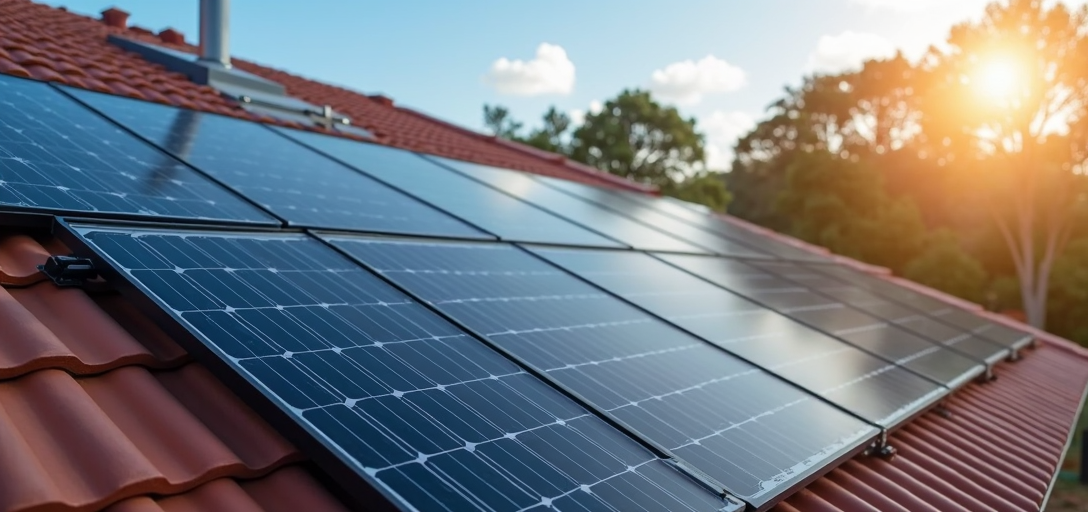
Understanding the Australian Government's Solar Battery Subsidies for 2026
The Australian Government has initiated a significant move towards sustainable energy by offering solar battery subsidies in 2026. This development is part of Australia's ongoing commitment to renewable energy and its efforts to reduce carbon emissions. The subsidies aim to encourage homeowners to incorporate solar battery storage systems, contributing to a more resilient and self-sufficient energy grid.
Who Is Eligible for the Solar Battery Subsidies?
Eligibility for the solar battery subsidies varies depending on several factors. Key criteria include:
- Homeownership: The subsidy is available to homeowners, prioritizing those residing in areas with high grid congestion.
- Existing Solar System: Eligible applicants should already have a rooftop solar panel system installed.
- Income: Some programs are tailored for low-to-moderate-income households to enhance equitable access to renewable energy solutions.
- Location Specifics: Specific regions, potentially those prone to frequent power blackouts, may receive priority.
Benefits of Solar Battery Installation
Integrating a solar battery system offers numerous advantages. Key benefits include:
- Energy Independence: Homeowners can store unused solar energy for later use during non-sunlight hours, reducing reliance on the grid.
- Cost Savings: By utilizing stored solar power, households can significantly reduce electricity bills.
- Environmental Impact: Solar batteries lower carbon footprints, contributing to a cleaner environment.
- Grid Reliability: With more homes using stored solar energy, the overall demand on the electrical grid decreases, enhancing stability and reliability.
How to Access the Subsidies
Accessing these subsidies involves several steps:
- Research and Application: Interested homeowners should research available programs in their region and submit an application. Each state may have different processes.
- Install a Qualifying System: Work with accredited installers to ensure the system meets all necessary technical standards.
- Understand Financial Benefits: It's crucial to understand the net savings over time, accounting for both initial investment and subsidies received.
Case Examples and Real-World Impact
To illustrate the impact, here are examples of how homeowners have benefited:
In northern Queensland, a region known for its robust sunshine and occasional power outages, Jane Doe, a participating homeowner, reported saving over 50% on electricity bills within a year of installing her battery system. Participants like Jane are typical success stories reflecting how these initiatives empower households to control their energy consumption and spending.
Current Perspectives and Statistics
As of 2026, the solar battery market in Australia has shown steady growth, with approximately 20% of solar-equipped households integrating battery storage. This reflects not only governmental push but increasing public awareness and demand. A recent report by the Clean Energy Council outlines year-on-year industry growth and consumer trends highlighting a shift toward renewable solutions.
Future of Solar Energy in Australia
The momentum towards renewable energy isn't just a local buzz; it's a national strategy. The Australian Government aims to achieve a renewable energy target of over 82% by 2030. Solar battery subsidies are integral to this plan, helping transition towards a sustainable future. Continued advancements and governmental priorities will support infrastructure and policy development to sustain this growth trajectory.
Conclusion
In summary, the Australian Government's solar battery subsidies in 2026 are a promising step towards a sustainable, cost-effective, and environmentally conscious future. By understanding eligibility, benefits, application processes, and market dynamics, homeowners can better position themselves to take advantage of these subsidies, contributing to a cleaner and more reliable energy system for all.