What You Need to Know About the Cost of Under Eye Fillers in 2026
Are you curious about the future of under eye filler cost in 2026? Discover trends that could influence pricing and learn about key factors affecting under eye filler cost.
Understanding Under Eye Fillers
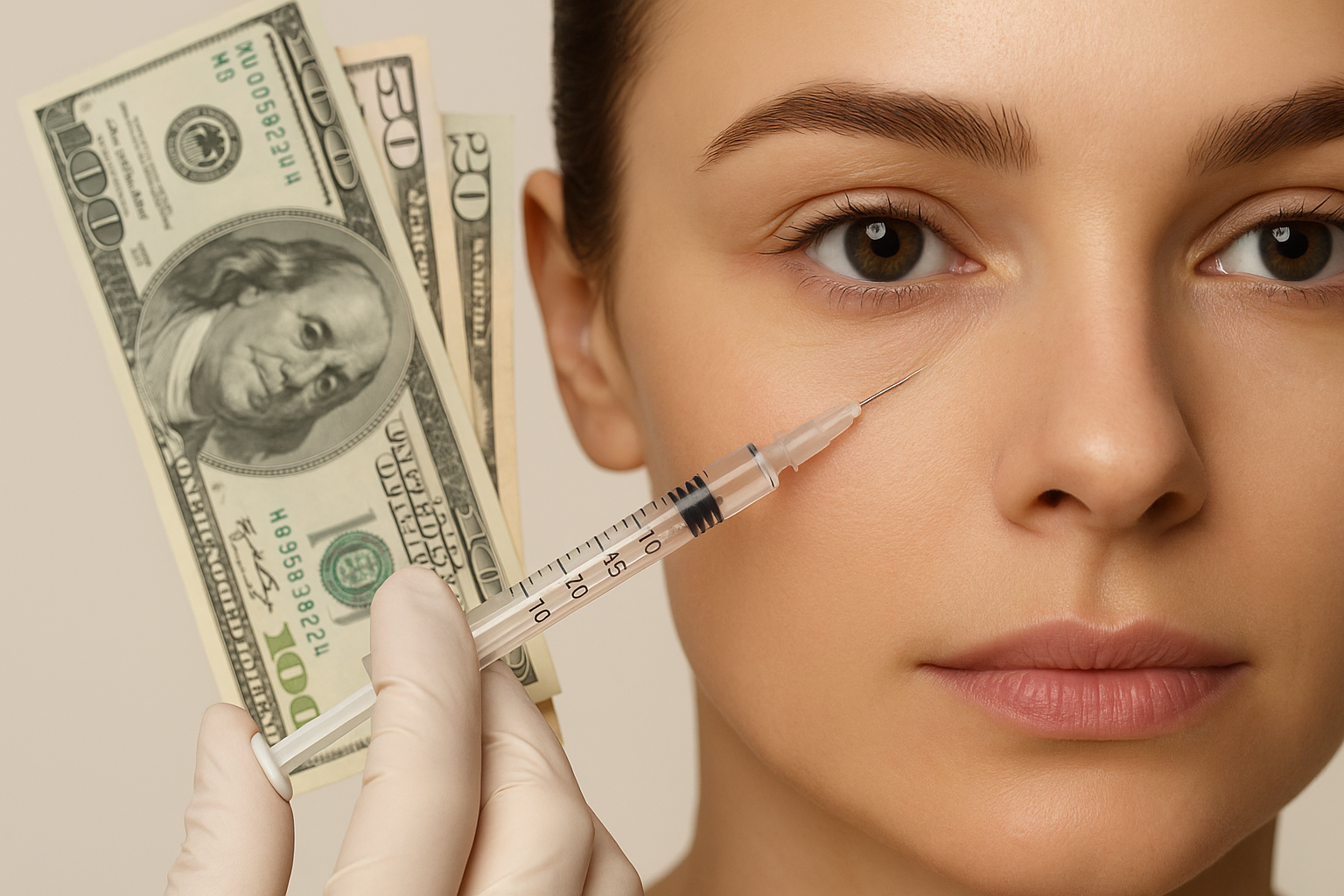
Under eye fillers, often comprising hyaluronic acid, are a popular cosmetic treatment designed to reduce the appearance of dark circles, under-eye bags, and hollowing in the tear trough area. As we age, the skin beneath our eyes becomes thinner, losing its natural elasticity and volume. For many, this results in a tired or aged appearance. Under eye fillers provide a non-surgical solution to rejuvenate this delicate area, offering immediate results with minimal downtime.
What are Under Eye Fillers?
These fillers are injectable treatments applied to the under-eye area to enhance volume and smooth out the surface of the skin. The most commonly used fillers are made of hyaluronic acid, a substance naturally found in the body that attracts and retains moisture.
- Types of fillers: Popular brands include Juvederm, Restylane, and Belotero.
- Procedure time: Treatments typically last about 30 minutes.
- Recovery: Most patients experience little to no downtime, with potential minor swelling or bruising subsiding within a few days.
Under Eye Filler Costs in 2026
As of 2026, the cost of under eye fillers varies based on several factors such as geographical location, the expertise of the practitioner, and the specific brand of filler used. Understanding the costs associated with this treatment is essential for anyone considering it.
Average Cost
In the United States, the average cost of under eye fillers ranges between $600 and $1,500 per session. It's important to note that this cost can be influenced by various factors:
- Location: Clinics in metropolitan areas typically charge more due to higher operating costs.
- Practitioner's expertise: More experienced practitioners may charge higher fees, reflecting their skill and reputation.
- Type of filler used: Different brands come with varying price points, impacting the overall cost of treatment.
Factors Affecting Cost
Several elements can affect the overall cost of your under eye filler treatment:
- Volume of filler: Depending on the severity of hollows or bags, you might require more filler, increasing the cost.
- Number of sessions: Some patients may need multiple sessions to achieve desired results, influencing overall expenditure.
- Additional fees: Some clinics may charge consultation fees or recommend complementary treatments to optimize results, which can add to the cost.
Making Informed Decisions
Deciding to undergo under eye filler treatment involves several considerations beyond just cost. It's important to choose a qualified and experienced medical professional to minimize risks and ensure satisfactory results.
Choosing a Practitioner
Seek practitioners with extensive experience specifically in injectables, particularly those who focus on facial aesthetics. Research their credentials, ask for before-and-after photos of previous patients, and consider scheduling a consultation to discuss your goals and expectations.
Understanding the Risks
Though generally considered safe, under eye fillers do carry some risks. These can include minor side effects like swelling, bruising, redness, or the formation of lumps. In rare cases, more significant complications might occur, making it imperative to follow aftercare instructions and maintain open communication with your practitioner.
The Future of Under Eye Fillers
The field of cosmetic injectables is continually advancing, with new techniques and products enhancing both efficacy and safety. By 2026, ongoing research and development promise to refine available treatments further, potentially introducing new options that offer even greater longevity and natural results.
Technological Advances
Innovations such as the use of AI for personalized treatment plans and augmented reality for visualizing expected outcomes are becoming increasingly integrated into practice. These advances can lead to more tailored and satisfactory results for patients choosing to rejuvenate their appearance with under-eye fillers.
Regulatory Developments
The cosmetic industry is subject to rigorous regulatory standards to ensure safety and effectiveness. Keeping abreast of any regulatory changes is crucial for both practitioners and patients to ensure they comply with the latest safety protocols.
Resources and Further Reading
For more detailed information on under eye fillers and to keep updated on the latest treatments and techniques, consider the following resources:
- Aesthetics Journal: Covers the latest research and trends in aesthetic treatments.
- PubMed Central: Provides access to peer-reviewed articles on recent advancements in cosmetic procedures.
- RealSelf: A platform for reviews and discussions on cosmetic treatments, helping prospective patients make informed decisions.