What You Need to Know Before Installing a Standby Generator
Thinking about installing a standby generator? We cover everything you need from understanding benefits to choosing the right model for your needs. Avoid common pitfalls and ensure you're making an informed decision without rushing into a hasty purchase.
Why Consider Installing a Standby Generator?
Power outages are an increasingly common occurrence in the United States due to natural disasters, aging infrastructure, and increased demand on the power grid. In 2025 alone, the U.S. experienced over 3,500 power outages that affected millions of households. Installing a standby generator can be a smart strategy to ensure a continuous power supply during such events.
Consider a standby generator as an investment not just in convenience but also in safety and cost-effectiveness. This guide will provide you with insights into what standby generators are, how they work, and key factors to consider when deciding whether to install one.
What is a Standby Generator?
Basic Functionality
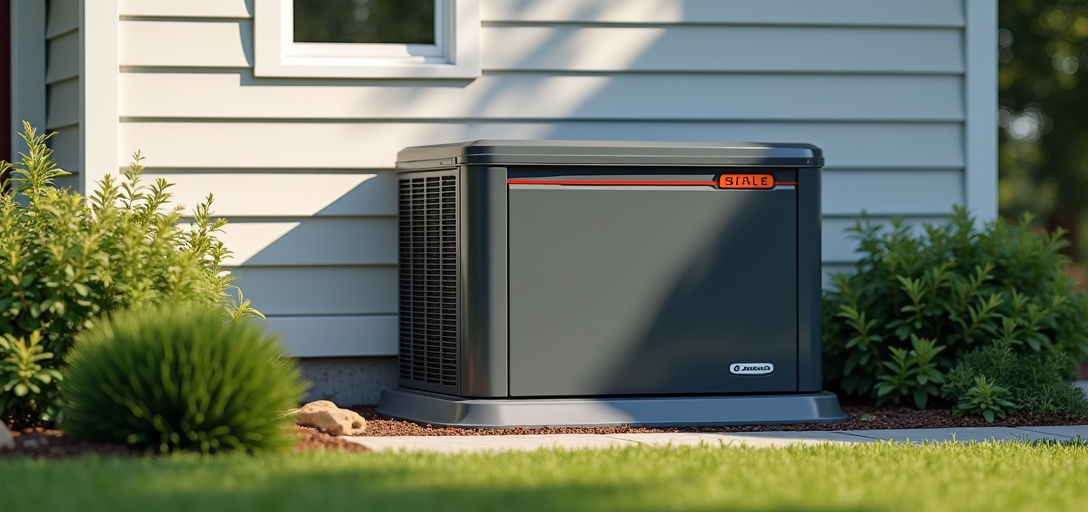
A standby generator is a backup power system that automatically activates when there is a power outage. Unlike portable generators, they are permanently installed outside your home and connected to your electrical system. They use either natural gas or propane and typically produce more power than portable options, which can be critical for running multiple household appliances simultaneously.
How Does It Work?
When the power from the grid fails, a transfer switch detects the outage and kicks the standby generator on within seconds. Once the power is restored, the generator automatically shuts off, and the electrical load is transferred back to the main power grid. This seamless transition is crucial, especially for maintaining critical systems like medical devices or essential appliances such as refrigerators.
Factors to Consider Before Installation
Power Needs Assessment
Determining your household's power needs is pivotal in choosing the right generator capacity. Calculate the wattage of necessary appliances and systems you expect to run during an outage. This typically includes essentials like:
- Refrigerator and Freezer
- Heating or Air Conditioning Systems
- Lighting Systems
- Disease Management Devices (CPAP, ventilators)
- Security Systems
- Internet and Communication Devices
On average, a mid-sized home might require a 22 kW generator to handle the entire load.
Fuel Type and Supply
Standby generators typically run on natural gas, propane, or diesel. Here are some considerations for each fuel type:
- Natural Gas: Convenient if you already have a gas line installed. It provides an unlimited fuel supply that doesn’t need manual refilling.
- Propane: Cost-effective in areas without natural gas access. Requires an onsite tank that must be refilled regularly.
- Diesel: Generally more fuel-efficient and has a longer shelf life but may not be a practical choice without proper storage solutions.
Consult with your utility company to understand which option would be most viable for your home before installing a generator.
Installation and Maintenance
Finding the Right Installer
Selecting a certified and experienced installer is crucial for ensuring safety and reliability. It's advisable to seek quotes and references from multiple service providers and thoroughly check their certifications. Professionals can also advise on optimal placement, which is typically at least 20 feet away from the residence to ensure proper ventilation and safety from exhaust fumes.
Routine Maintenance
To keep your standby generator in peak condition, regular maintenance is required. This includes:
- Quarterly checks of oil, coolant levels, and battery voltage.
- Annual inspection of the air filters and spark plugs.
- A professional servicing contract can be beneficial for ensuring long-term reliability.
Cost Considerations
The cost of installing a standby generator can vary widely based on several factors, including generator size, fuel type, and installation complexity. On average, a whole-home system costs between $5,000 to $15,000 including installation. Here’s a breakdown of what influences the cost:
- Generator Size and Capacity: Larger generators designed to power bigger homes or multiple appliances simultaneously are more expensive.
- Fuel Supply Setup: Installation costs can increase if new gas lines or propane tanks need to be installed.
- Labor Costs: Local labor rates and any necessary electrical or structural modifications can drive up the overall price.
Tip: Look for financing options or state incentives that can ease the upfront financial burden. The Database of State Incentives for Renewables & Efficiency (DSIRE) is a great resource for finding available incentives in your area.
Conclusion
Investing in a standby generator can be a significant decision, offering peace of mind in the face of increasing power outages. By understanding your home's power needs, choosing the appropriate fuel type, and hiring a qualified installer, you can ensure that your system is both cost-effective and reliable. Keep in mind to adhere to a regular maintenance schedule to prolong your generator’s lifespan and efficiency.
For more detailed information, consider visiting resources such as the U.S. Department of Energy or Consumer Reports.