Why Dental Clips Could Be a Smart, Budget-Friendly Choice for Seniors
Are dental implants out of your budget? Dental clips offer a practical alternative for seniors seeking costeffective dental solutions. With advancements making dental clips more comfortable and naturallooking, they provide an appealing choice without the hefty price tag.
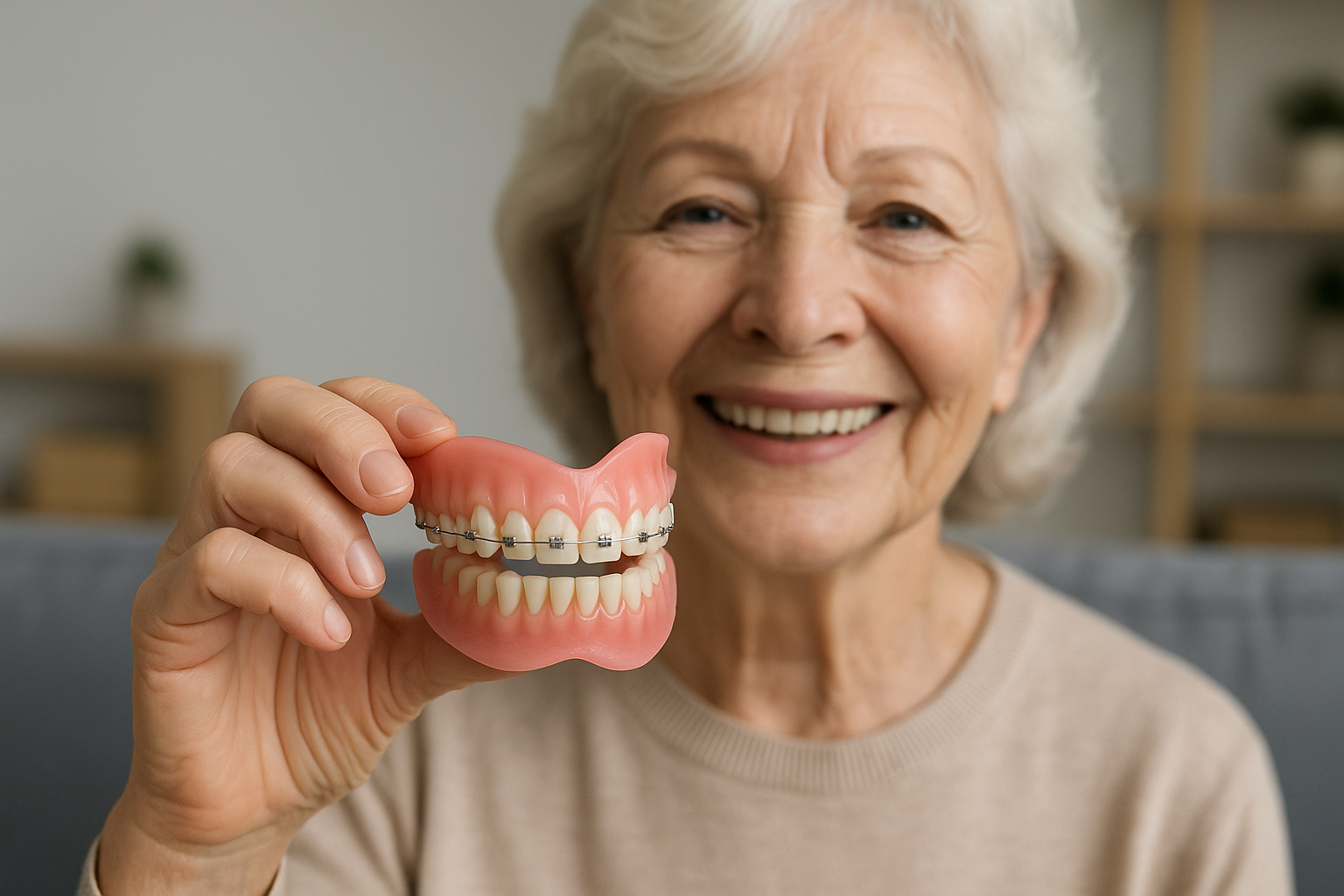
Understanding Dental Clips and Why They Are Becoming Popular Among Seniors
For many seniors, dental health is a crucial part of overall wellness, yet procedures like dental implants often seem out of reach due to cost concerns. Thankfully, dental clips are emerging as a smart, budget-friendly alternative to traditional dental implants, especially appealing to budget-conscious seniors. But what exactly are dental clips, and why are they an attractive option?
What Are Dental Clips?
Dental clips, often referred to as overdentures or snap-in dentures, are removable dental prostheses that are supported by implants or the natural ridges of the jaw. Unlike full implants, dental clips make use of snaps or clips that attach to a bar or a ball-like structure placed on the jaw, securing them in place. This method offers more stability than traditional dentures while being significantly less invasive than full implants.
The Financial Advantage of Choosing Dental Clips
The main appeal of dental clips is their affordability. Senior citizens often live on a fixed income, making the lower cost of dental clips a practical choice. Here's a comparison to highlight the economic benefit:
- According to a recent survey conducted by Dental Health Today, the average cost of a single dental implant in 2026 can range from $3,000 to $5,000 per tooth, including the implant, abutment, and crown.
- Conversely, dental clips for an entire arch typically cost between $1,500 and $2,500, a fraction of the cost of full implants, which can exceed $20,000 for a full set.
These cost savings make dental clips a viable option for seniors managing their dental health on a budget.
How Do Dental Clips Compare to Other Options?
Comparing Dental Clips to Traditional Dentures
Traditional dentures have long been the go-to solution for those needing teeth replacement. However, they're not without their drawbacks. Common issues with dentures include slippage during eating or speaking and the need for adhesives to keep them in place. Dental clips provide a more secure fit, reducing both the social and functional inconveniences associated with denture use.
Dental Clips versus Implants
While full dental implants offer the most natural feel and function, they require a significant investment both financially and physically, from surgical procedures to long recovery times. On the other hand, dental clips require fewer implants (often two to four per arch), reducing both cost and surgical exposure.
Who Is the Ideal Candidate for Dental Clips?
Dental clips are particularly beneficial for seniors who:
- Are seeking an affordable alternative to regular implants.
- Prefer a minimally invasive procedure with a quicker recovery.
- Experience difficulties with traditional dentures slipping or causing discomfort.
- Have adequate bone structure to support the clips, which can be evaluated by a dental professional.
Benefits of Dental Clips for Seniors
Beyond cost-effectiveness, dental clips offer several advantages that make them a compelling choice for seniors:
- Enhanced Stability: Clips provide a stable hold, preventing shifting while eating or speaking, which is a common issue with conventional dentures.
- Improved Comfort: The clips are less likely to cause irritations or require frequent adjustments compared to dentures.
- Ease of Use: Dental clips can be easily removed and cleaned, making them practical for seniors.
- Bone Preservation: Although not as effective as full implants, dental clips can help preserve jawbone by providing some level of stimulation.
Real-world Success Stories
According to Dr. Emily Thompson, a leading prosthodontist interviewed by Healthline in 2026, "Patients in their seventies and eighties come to us feeling insecure about their dentures. With dental clips, we've seen remarkable improvements not just in oral functionality but in overall quality of life."
Several case studies reported by the American Association of Oral and Maxillofacial Surgeons showcase individuals regaining confidence and enjoying social events more freely after opting for dental clips.
Considerations and Potential Drawbacks
Despite their benefits, it's important for potential candidates to consider the following:
- Initial Stability: Dental clips rely on the existing jaw structure, so those with severe bone loss may require additional support like bone grafting.
- Maintenance: Like all dental devices, clips will require regular cleaning and professional checkups to ensure longevity.
- Initial Comfort: Some users may experience a brief adjustment period as they acclimate to the feel of the clips.
Conclusion
Dental clips are a promising alternative to traditional dental solutions, providing budget-conscious seniors with a reliable, cost-effective, and less invasive option. By reducing common issues associated with dentures and offering substantial savings compared to full implants, dental clips open the door to enhanced oral health and life quality for many seniors. More information on considerations and candidate suitability can be found through trustworthy dental health organizations.