Why Installing a Standby Generator is Essential for Seniors
Discover why installing a standby generator is so vital for seniors. Power outages can be more than just an inconvenience. For seniors, having a reliable standby generator ensures that essential medical equipment and daily needs are met without interruption.
Why Installing a Standby Generator Is Vital for Seniors
As we age, ensuring comfort and safety becomes increasingly important. For many seniors, losing power during severe weather can be more than an inconvenience — it can pose significant health risks. Installing a standby generator is a proactive measure to prevent these risks, ensuring that life can continue smoothly, especially when electricity is essential for medical equipment.
What Is a Standby Generator?
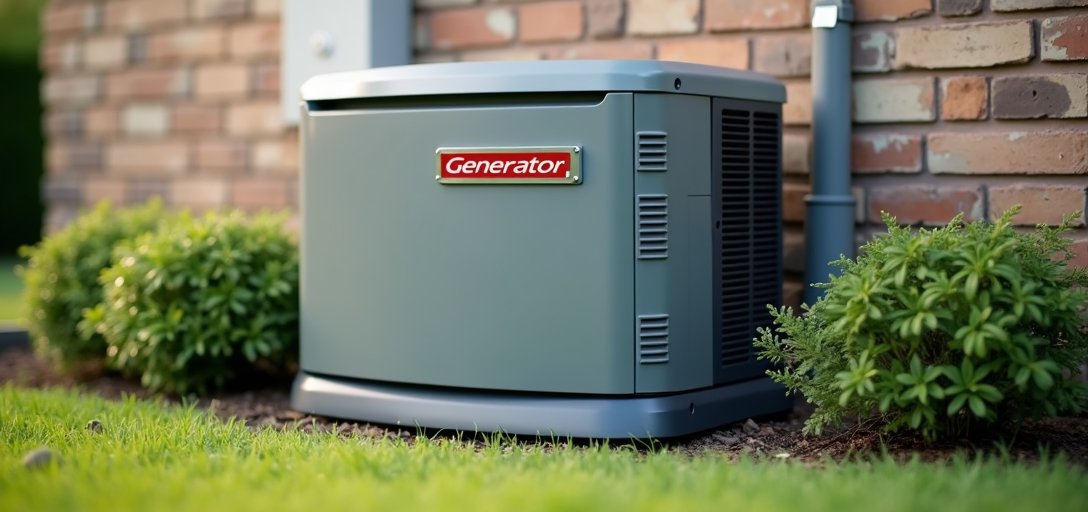
A standby generator, also known as a whole-house generator, automatically provides power to your home in the event of an outage. Unlike portable generators, standby generators are permanently installed outside the home and can provide electricity to an entire house or specific essential circuits, depending on the capacity.
Top Benefits of Standby Generators for Seniors
Safety and Health
- Medical Equipment Continuity: Many seniors rely on electrically powered medical devices like oxygen concentrators, CPAP machines, or refrigerated medications. A power outage could disrupt these critical supports.
- Climate Control: During a heatwave or cold snap, maintaining a stable home temperature is crucial to prevent heat stroke or hypothermia.
Comfort and Convenience
- Food Preservation: Extended power outages can spoil food. A standby generator keeps your refrigerator and freezer running, preventing unexpected trips to the store and food waste.
- Seamless Power Transition: Automatic transfer switches enable the generator to start without manual intervention, eliminating the need for seniors to navigate outside in dangerous conditions.
Financial Peace of Mind
While the initial investment might seem substantial, the cost savings from prevented spoilage, damage, and healthcare issues make it a worthwhile investment. Plus, many homeowner insurance policies offer discounts for homes with automatic standby generators.
Key Considerations When Choosing a Standby Generator
Power Needs Assessment
Before purchasing a standby generator, assess the power requirements of your home. Consider essential appliances, medical equipment, and the heating and cooling system to determine the appropriate wattage capacity. Most standby generators range from 7 kW to 150 kW, with a typical home requiring around 20 kW.
Fuel Type Selection
Standby generators commonly run on natural gas, propane, or diesel. Choose a fuel type based on availability and convenience:
- Natural Gas: Offers continuous supply and no need for storage, suitable for homes with an existing gas line.
- Propane: Requires a storage tank but burns cleaner than diesel and can be an alternative in areas without natural gas access.
- Diesel: Often more reliable for high-power applications but requires proper storage and regular maintenance to prevent issues with fuel degradation.
Cost and Installation Factors
Understanding the Costs
The average cost of purchasing and installing a standby generator in the U.S. ranges between $5,000 and $10,000. Factors influencing the cost include generator capacity, installation complexity, and additional items like permits or transfer switches. According to Energy Information Administration (EIA), residential power outages have increased, making such an investment more appealing in 2026.
Installation Process
Professional installation is crucial as it ensures compliance with local codes and a safe setup. The process typically involves:
- Site Assessment: Determining the optimal location for installation, often near the main electrical panel.
- Permitting: Securing necessary permits that vary by location.
- Connection: Linking the generator to fuel source and the electrical grid.
- Testing: Initial startup and testing to ensure the system runs smoothly.
How to Maintain Your Standby Generator
Regular maintenance is essential to keep your standby generator operational when you need it most. Generally, it's recommended to perform maintenance every 6 to 12 months or after every 100 hours of use, whichever comes first. Here are some maintenance tips:
- Perform Regular Inspections: Check fuel lines, battery, and oil levels.
- Scheduled Servicing: Partner with a certified technician for tuning, oil changes, and part replacements.
- Run Routine Tests: Conduct a weekly self-test to identify any operational issues early.
Conclusion
Incorporating a standby generator into a senior's household is not just about convenience — it's about security, health, and preserving quality of life. By taking proactive steps to ensure continuous power, seniors and their families can rest easy knowing they are prepared for unexpected outages. For more information, organizations like the American Red Cross and Ready.gov provide additional insights on emergency preparedness for power outages. Protecting our loved ones is paramount, and a standby generator is a significant step in maintaining their well-being.