Why Savvy Homeowners Are Prioritizing Backup Power Systems Ahead of Storm Season
As storm season approaches, many homeowners are installing backup power systems to prepare for potential outages. These systems provide peace of mind and can help maintain essential functions during power disruptions.
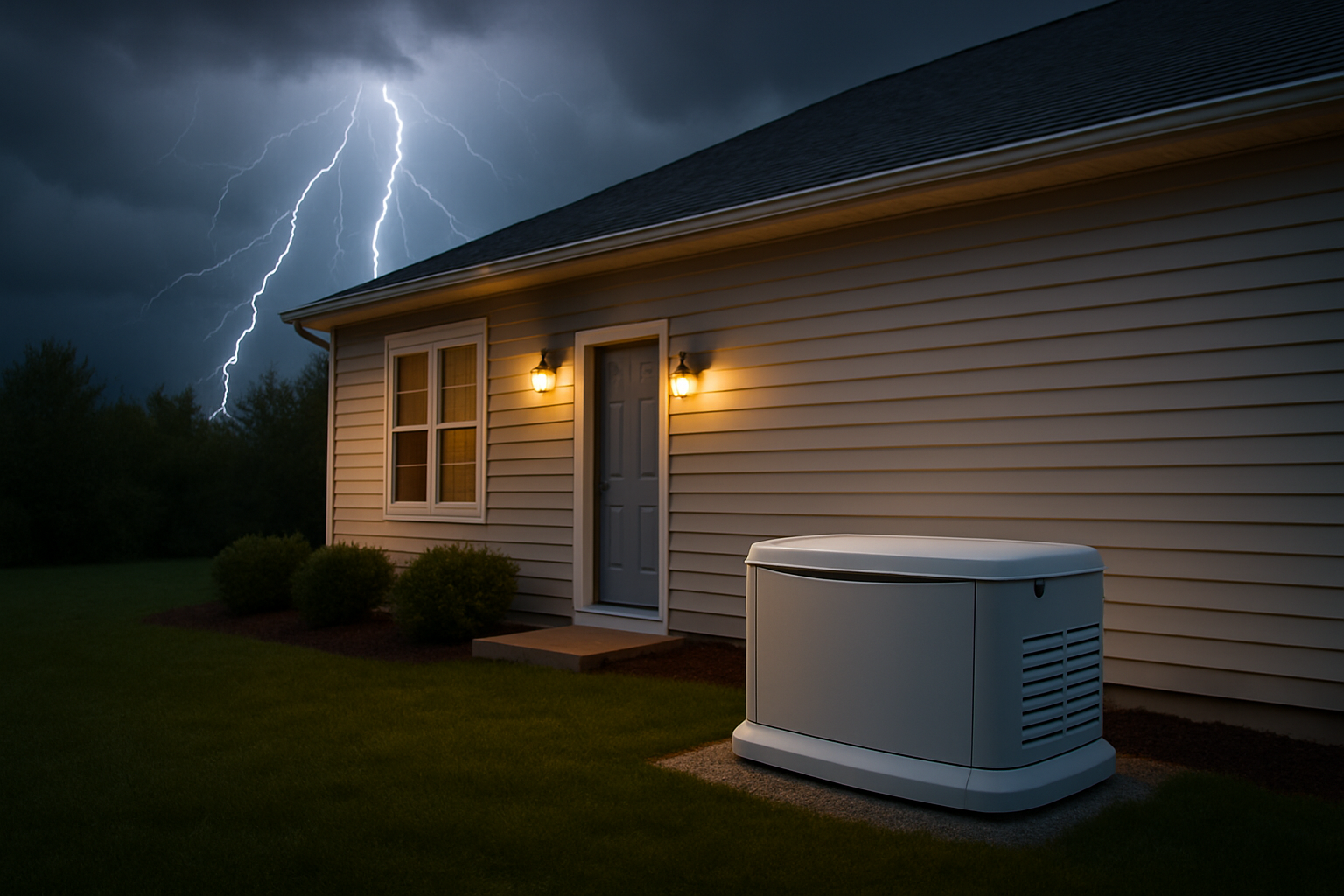
Why Homeowners Are Opting for Backup Power Systems Before Storm Season
In recent years, the increasing frequency and intensity of storms have led to more homeowners considering backup power systems as a crucial investment in preparedness. With the consequences of prolonged power outages ranging from minor inconveniences to significant threats to safety and property, the decision to install such systems has grown in importance. The 2026 storm season, predicted to be one of the most unpredictable in decades, underscores the need for reliable power backup solutions.
Understanding Backup Power Systems
Backup power systems are secondary power solutions that kick in during a utility power failure. They come in two primary forms: portable generators and standby generators. Understanding the differences and suitable applications for each can help homeowners make informed decisions.
- Portable Generators: These are mobile units that can be manually operated during an outage. Typically powered by gasoline or diesel, they require manual fueling and are best suited for short-term needs and smaller properties.
- Standby Generators: These are permanently installed and connect directly to a home’s electrical system. Usually powered by natural gas or propane, they automatically activate during an outage, providing immediate and seamless power restoration.
Key Benefits of Installing Backup Power Systems
The incentive to install backup power systems ahead of storm season is driven by several benefits:
- Uninterrupted Power Supply: Standby generators provide seamless power during an outage, ensuring that crucial home systems remain operational.
- Increased Home Safety: With consistent power, the risk associated with using candles or failing security systems is minimized.
- Preventing Property Damage: Backup systems keep essential devices like sump pumps operational, reducing the risk of water damage during floods.
- Preservation of Perishables: Continuous power keeps refrigerators and freezers running, preventing food spoilage.
How to Choose the Right Backup Power System
Choosing the right backup power solution depends on several factors, including household power needs, location, and budget. Here’s how homeowners can approach the selection process:
Assessing Power Needs
Understanding a home's power requirements is a critical first step. Homeowners should list all critical appliances and systems, then calculate the total wattage required to run them. This ensures that the chosen generator can handle the electrical load.
Considering Local Sundry Conditions
Climate and local infrastructure affect the viability of certain fuel types. For instance, in locations where natural gas is scarce, a propane-powered generator might be a more feasible choice.
Budgeting for Installation and Maintenance
The cost of backup power systems varies widely, with portable generators typically being less expensive than standby units. However, standby generators often offer a better long-term balance of cost and convenience when considering installation and fuel costs. Regular maintenance, including fuel checks and system tests, should be factored into the overall budget.
Financial Incentives and Rebates Available in 2026
Amidst a renewed focus on resilience and sustainability, numerous governments and energy agencies are offering incentives for backup power system installations. In 2026, various federal tax credits and local rebate programs can significantly reduce the financial burden of purchasing and installing a new system. These initiatives aim to encourage renewable and efficient energy use, making power systems more affordable for consumers.
One example is the U.S. Department of Energy's ongoing Energy Savings Program, which offers rebates for qualifying backup generators. Similarly, state-level programs may provide additional incentives, specifically for solutions that incorporate renewable energy sources like solar-powered battery backups.
Real-world Experiences: Homeowners' Testimonials
Learning from peers' experiences can be invaluable. Here are a few real-world examples of how backup power systems have benefitted homeowners:
Case Study 1: Emily in Florida
Emily, a Florida resident, installed a standby generator after a tropical storm left her neighborhood in the dark for days. "Having a generator gave me such peace of mind. It took away the stress of losing power and immediately kept my food safe and home well-lit," she shares. Her foresight during an anticipated severe weather event saved her a costly restocking of food and ensured her family's comfort.
Case Study 2: Mike in Texas
In Texas, where extreme weather is becoming more common, Mike opted for a hybrid solar battery system contributing additional value through power bill savings. "Our battery backup automatically covers our essential circuits and reduces our grid dependence," says Mike. The investment aligned with his sustainability goals while providing robust emergency power coverage.
Conclusion: The Increasing Necessity of Preparedness
As storm seasons grow more intense, with recent climate reports from NOAA highlighting a predicted increase in severe weather events, the value of preparedness through backup power systems becomes ever more clear. The upfront investment in these systems not only provides immediate benefits during power outages but also contributes to the long-term resilience and security of the home. By staying informed and planning ahead, homeowners can ensure that they weather any storm with confidence and stability.