Will We See the Chevrolet Camaro Revived in 2028? Discover the Latest Updates
Curious about the future of the iconic Chevrolet Camaro? There's a buzz on the horizon about its potential return in 2028. While nothing is set in stone, many enthusiasts are speculating on what the new model might bring.
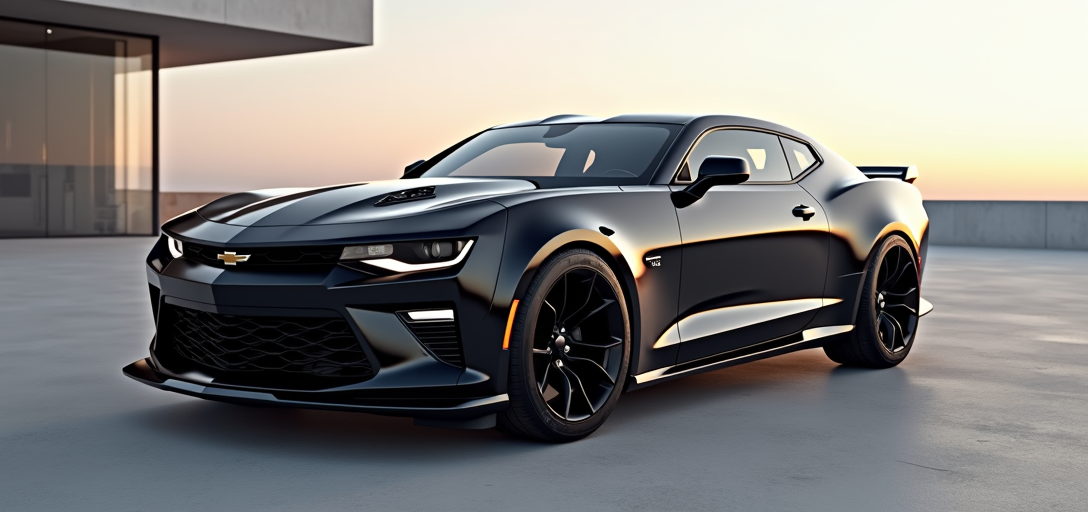
The Possible Return of the Chevrolet Camaro in 2028
As the excitement around the automotive industry continues to evolve, many enthusiasts are curious about the potential return of the Chevrolet Camaro in 2028. This classic American muscle car has been a symbol of power and style, leaving many to wonder if it will reemerge stronger in the future. Here, we'll delve into the details, exploring what consumers can expect if the Camaro makes a comeback.
Why Is the Camaro's Return Significant?
The Chevrolet Camaro has long been a staple in American car culture. First introduced in 1966, it established itself as a competitor to the Ford Mustang, stirring a rivalry that energized the sports car market. With its sleek design and powerful engines, the Camaro became an icon among muscle car enthusiasts. Its potential return holds significance for both loyal fans and new generations looking to experience the thrill of driving a true American classic.
What Are the Rumors About the 2028 Model?
Speculation surrounding the 2028 Camaro model focuses on industry trends and Chevrolet's strategic direction. While General Motors (GM) has been tight-lipped, there are a few rumors:
- Modernized Design: A blend of nostalgia and innovation, the 2028 Camaro may feature a design that honors its legacy while incorporating contemporary aesthetics.
- Electric and Hybrid Options: As sustainability becomes paramount, the new Camaro is likely to offer electric or hybrid models, in line with GM's goals to phase out gasoline-powered vehicles by 2035.
- Advanced Technology: Expect enhanced technology, including autonomous driving features, up-to-date infotainment systems, and improved safety measures.
The Future of Muscle Cars in the US
The muscle car segment is evolving, driven by changes in consumer preferences and environmental regulations. While traditional V8 engines remain popular for their performance, there's a growing demand for alternative propulsion systems, prompted by both ecological considerations and technological advancements.
According to a 2026 report by the International Energy Agency, electric vehicle adoption in the US is accelerating, with projections that EVs will account for 30% of market share by 2030 [(source)](https://www.iea.org/reports/global-ev-outlook-2026). This shift may influence the design and performance attributes of future muscle cars like the Camaro.
How Does the Camaro Compare to Competitors?
In the realm of muscle cars, the Chevrolet Camaro faces competition from iconic models like the Ford Mustang and Dodge Challenger. Here’s how they compare:
- Ford Mustang: Known for its versatility, the Mustang has embraced both performance variants like the Shelby GT500 and more economical models, including hybrids.
- Dodge Challenger: Celebrated for its classic V8 prowess, Dodge has committed to maintaining its muscle car heritage while exploring electric offerings.
Each of these models has loyal followings, with different approaches to performance, style, and technology. The potential reintroduction of the Camaro offers another option for enthusiasts wanting a blend of heritage and innovation.
What Can Consumers Expect from Chevrolet's Strategy?
General Motors has outlined a bold vision for the future, focusing on electrification, connectivity, and autonomy. This strategy aligns with Chevrolet's potential future offerings, which may include the Camaro:
- Electrification: GM plans to invest $35 billion by 2026 in electric and autonomous vehicles [(source)](https://www.gm.com/technology/leadership-in-electrification.html), suggesting that any future Camaro could have electric-powered options.
- Connected Vehicles: Incorporating advanced connectivity features, such as over-the-air updates and enhanced infotainment systems, are likely to be part of the package.
- Autonomous Capabilities: While full autonomy may not be a focus for performance vehicles like the Camaro, semi-autonomous features could enhance driving experience and safety.
What Does the Market Data Indicate?
Recent market data from 2026 shows a growing interest in both traditional muscle cars and their modern counterparts. Sales data indicate a steady demand for performance-oriented vehicles, despite the broader shift to environmentally friendly options. The muscle car market has adapted, with manufacturers offering a combination of power, style, and sustainability.
A study by Auto Trends Magazine reports a 12% increase in hybrid and electric sports car sales this year, illustrating consumer interest in sustainable performance [(source)](https://www.autotrendsmagazine.com/2026-electrics-report). As Chevrolet considers bringing the Camaro back, balancing these aspects could be key to its success.
Conclusion: The Anticipated Return
While there is no official confirmation, the potential return of the Chevrolet Camaro in 2028 presents an exciting possibility for car enthusiasts and the broader market. With a rich history and a promising future shaped by innovation and sustainability, the Camaro could set new standards in the muscle car segment. Chevrolet's strategic focus on electrification and cutting-edge technology suggests that any new model would not only pay homage to its past but also lead the way into a vibrant future.