Your Dermatologist-Approved Guide to the Best Sunscreens for Oily and Acne-Prone Skin
Discover the ultimate protection for oily/acneprone skin with our top 5 sunscreen picks, perfectly curated for those seeking effective sun care.
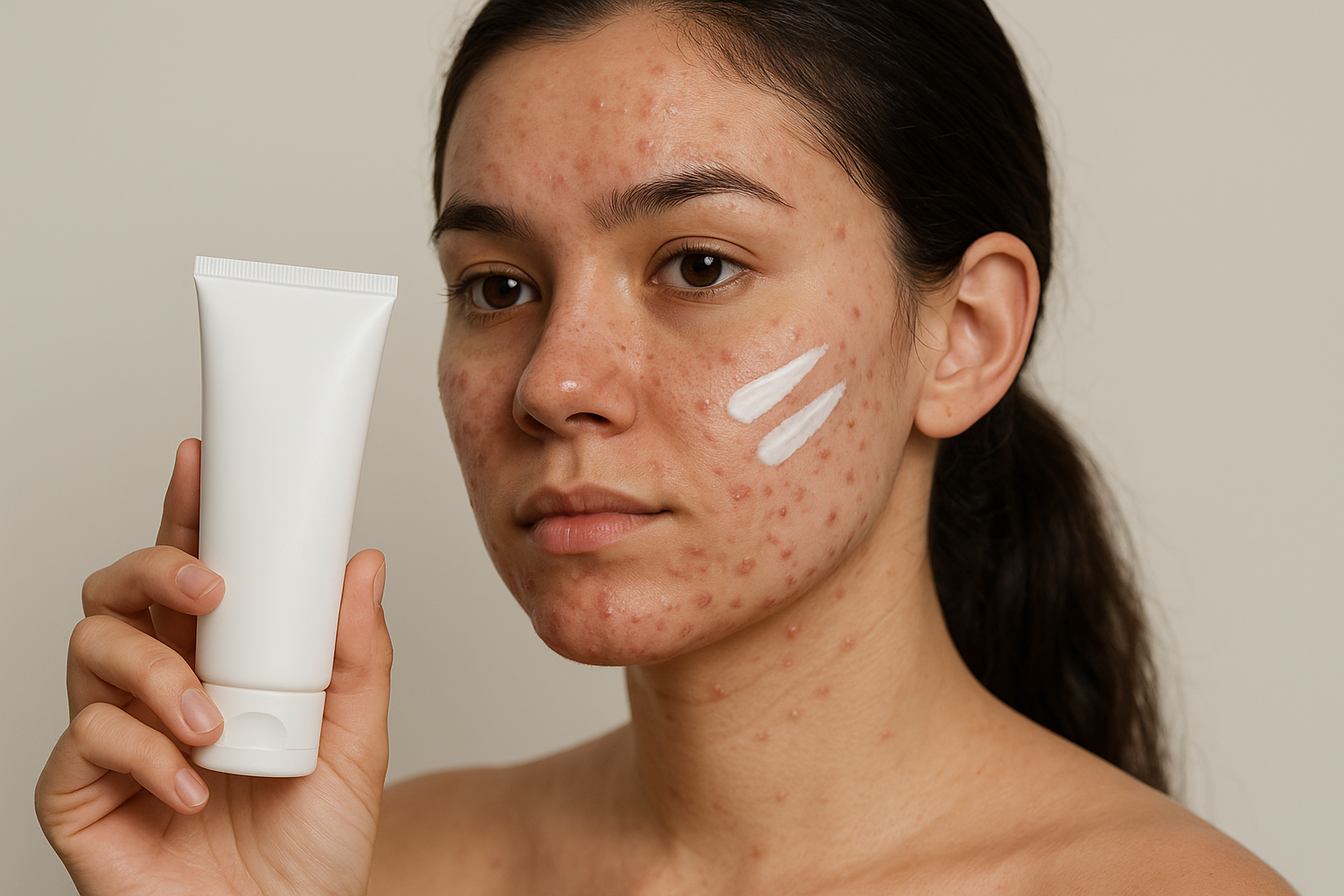
Understanding Sunscreens for Oily/Acne-Prone Skin
Choosing the right sunscreen is crucial for individuals with oily or acne-prone skin. The key is finding a product that provides adequate protection without exacerbating skin issues. Sunscreens formulated for these skin types often contain ingredients that help control oil and acne while providing broad-spectrum UV protection.
Understanding ingredients and their effects can help you select the best sunscreen that fits your specific needs. It's important to look for certain features when choosing a sunscreen:
- Non-comedogenic: Ensures that the product won’t clog pores and lead to acne.
- Oil-free: Helps to reduce additional oil on the skin's surface.
- Broad-spectrum protection: Protects against both UVA and UVB rays.
- Lightweight and matte finish: Minimizes shine and feels comfortable on the skin.
Why Non-Comedogenic Sunscreens Matter
Non-comedogenic products are formulated to prevent pore blockage. This feature is particularly important for oily and acne-prone skin as it helps in avoiding breakouts. The American Academy of Dermatology emphasizes using non-comedogenic sunscreens to maintain healthy skin without aggravating acne.
Choosing the Right Sunscreen Formula
With myriad sunscreen options available, it can be overwhelming to choose the right one. Here are some factors to consider:
Chemical vs. Physical Sunscreens
Chemical sunscreens absorb UV radiation and convert it to heat, which is then released from the skin. Physical sunscreens, on the other hand, sit on the skin's surface and reflect UV rays.
- Chemical Sunscreens: Generally feel lighter and blend into the skin more easily. Ingredients to look for include Avobenzone, Octisalate, and Oxybenzone.
- Physical Sunscreens: Tend to suit sensitive skin better. Key ingredients are Titanium Dioxide and Zinc Oxide, which are also effective for oily skin due to their soothing properties.
SPF Value and Broad-Spectrum Protection
SPF, or Sun Protection Factor, indicates how well a sunscreen can protect your skin from UVB rays. For complete protection, choose a sunscreen with an SPF of at least 30, and make sure it’s labeled 'broad-spectrum' for protection against both UVA and UVB rays.
Top 5 Best Sunscreens for Oily/Acne-Prone Skin in 2026
Based on recent reviews and dermatologists' recommendations, let's explore the top five sunscreens suitable for oily/acne-prone skin:
- La Roche-Posay Anthelios Clear Skin Oil-Free Sunscreen SPF 60:This product is renowned for its oil-control abilities and high SPF protection. It contains a unique oil-absorbing complex that maintains a matte finish while being water-resistant.
- Neutrogena Clear Face Liquid Lotion Sunscreen SPF 55:Formulated to prevent breakouts while providing broad-spectrum protection. This lightweight, fragrance-free sunscreen is especially suitable for acne-prone individuals.
- EltaMD UV Clear Broad-Spectrum SPF 46:This sunscreen is highly recommended for sensitive and acne-prone skin, thanks to its inclusion of niacinamide, which soothes and calms the skin.
- CeraVe Hydrating Mineral Sunscreen SPF 30:A mineral-based option enriched with ceramides and hyaluronic acid to provide hydration and a matte finish, making it perfect for oily skin.
- Innisfree Daily UV Defense Sunscreen SPF 36:This Korean sunscreen offers a lightweight texture and non-greasy finish, utilizing green tea extracts to combat skin oils effectively.
Tips for Proper Sunscreen Application
Correct application enhances sunscreen effectiveness. Here are some tips:
- Apply sunscreen generously and evenly to all exposed skin 15 minutes before sun exposure.
- Reapply every two hours, or more often if swimming or sweating.
- Don't forget commonly missed spots like the ears, neck, and back of the hands.
- Use sunscreen daily, even on cloudy days or when indoors, as UVA rays can penetrate windows.
Conclusion
Navigating through countless sunscreen options becomes straightforward when you know what your skin needs. Selecting non-comedogenic, lightweight, and suitable broad-spectrum sunscreens can significantly enhance the health of oily and acne-prone skin. For further guidance, you may refer to the recent editorials on Dermatology Times or Healthline.
Incorporate these insights into your daily skincare regime to enjoy healthy, vibrant skin with minimal breakouts while keeping sun damage at bay.