Your Ultimate Guide to Understanding 2027 FEP Blue Basic Rates
Explore our 2027 FEP Blue Basic Rates Guide to stay informed on the latest changes. This article provides insights into potential rate adjustments and their implications. Learn about factors influencing the 2027 FEP Blue Basic Rates and prepare for what might impact your health coverage costs.
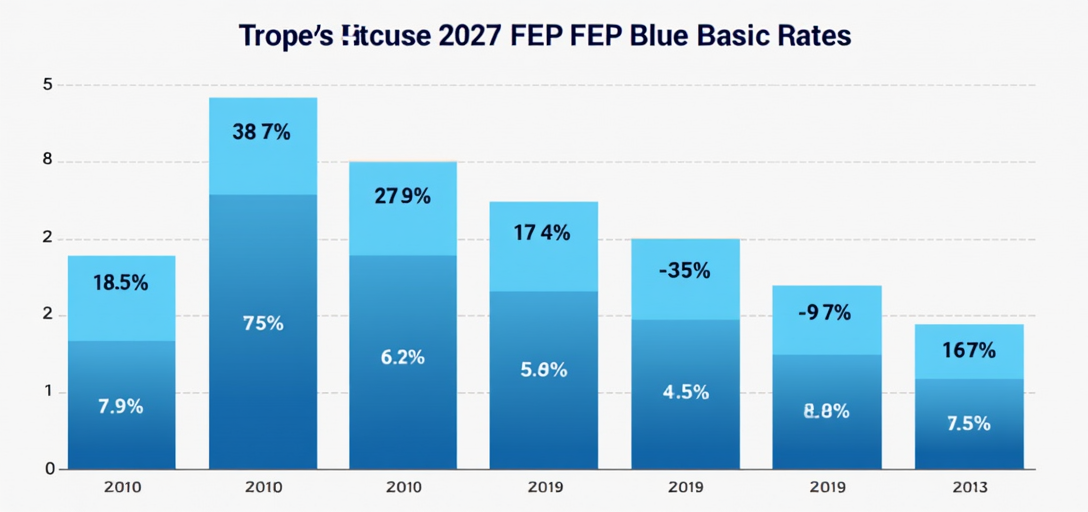
Understanding the 2027 FEP Blue Basic Rates
The Federal Employees Health Benefit Program (FEHBP) is a crucial part of the health insurance landscape in the United States, providing millions of federal employees and retirees with access to healthcare. One of the most popular plans within this system is the Blue Cross and Blue Shield Service Benefit Plan, commonly known as Blue Basic. As we look forward to 2027, understanding the changes in FEP Blue Basic rates becomes vital for employees planning their budgets and health coverage.
What Are the 2027 FEP Blue Basic Rates?
The FEP Blue Basic rates are determined annually based on a variety of factors including healthcare cost trends, changes in services covered, and adjustments due to government regulations. The Blue Cross Blue Shield Association, which administers these plans, assesses these factors to adjust premiums accordingly.
As of 2026, the projected average increase in health insurance costs is around 5% due to current inflation and increases in healthcare utilization. The actual increase for 2027 will depend on a detailed review by the Office of Personnel Management (OPM) and may vary depending on regional healthcare cost variations.
Key Factors Influencing Rate Changes
Several elements contribute to the fluctuation in FEP Blue Basic rates each year:
- Healthcare Inflation: The rising costs of medical services and prescriptions are primary drivers of premium increases. New treatments and technology advancements also contribute to higher costs.
- Healthcare Utilization: As more employees and families utilize health services, including preventative care, there is an upward pressure on rates.
- Regulatory Changes: New healthcare regulations and policy changes can impact insurance rates, such as mandated coverage benefits or tax implications.
How to Budget for the 2027 Rates
Understanding the expected changes in FEP Blue Basic rates can help in effectively planning your budget:
- Review Your Health Needs: Consider any changes in your personal or family health needs that might affect which plan level is appropriate for you.
- Consider Additional Coverage: Evaluate if supplemental plans or flexible spending accounts (FSAs) could be beneficial to accommodate any out-of-pocket costs.
- Use Premium Conversion: This benefit allows you to pay your health insurance premium with pre-tax dollars, effectively reducing your taxable income.
Real-World Implications of Rate Changes
Federal employees and retirees must prepare for how changes in FEP Blue Basic rates affect their overall financial planning. Rising premiums could mean the need to adjust spending in other areas.
For example, John, a federal employee, anticipates his premium increasing by $50 monthly based on current projections. To offset this, he may consider reducing discretionary spending or utilizing healthcare flexible savings accounts to cover any additional out-of-pocket healthcare costs.
Where to Find More Information
Staying informed about annual rate changes, plan benefits, and coverage options is crucial. For more specific and updated information regarding your FEP Blue Basic enrollment, consider the following resources:
- OPM Healthcare and Insurance - This site provides detailed federal employee benefits information and tools to compare plan options.
- FEP Blue Official Website - Access comprehensive plan details, coverage options, and tools for managing health benefits.
- Blue Cross Blue Shield Association - Offers health and wellness resources and information on healthcare trends.
Conclusion
The 2027 FEP Blue Basic rates are a reflection of broader healthcare trends and individual plan factors. By preparing and adapting to these changes proactively, federal employees and retirees can optimize their health insurance choices to best suit their personal health and financial circumstances.
Staying engaged with plan materials and updates from trusted sources is essential to ensuring that coverage needs are met efficiently amid the evolving healthcare landscape.