A Step-by-Step Guide to Applying for Electric Bill Hardship Assistance
Discover ways to manage your energy expenses with this guide on how to apply for electric bill hardship funds. Learn about available programs designed to help alleviate the burden of high electricity costs, and find out how to apply for these financial relief options effectively.
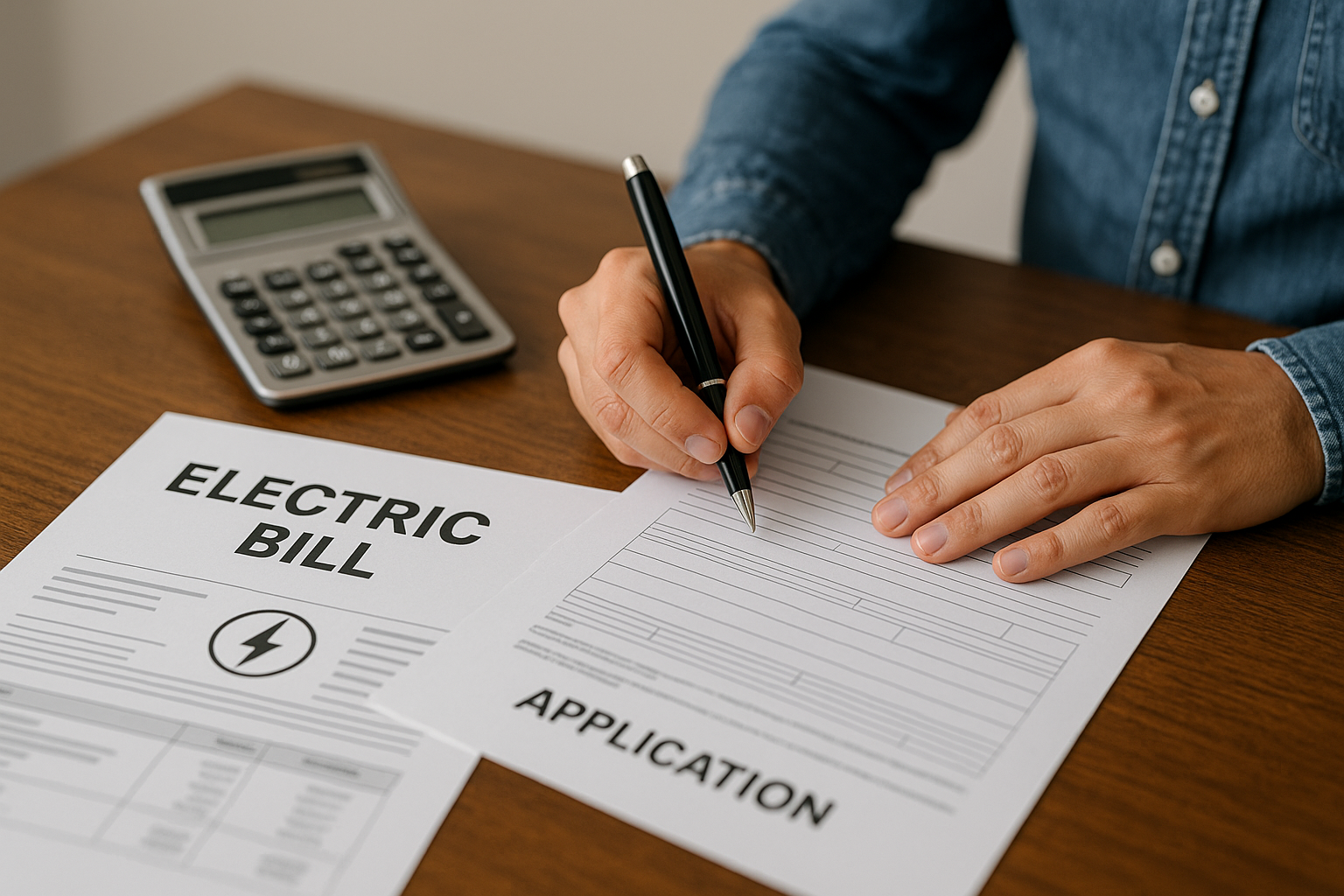
Understanding Electric Bill Hardship Funds
With the rising costs of living and energy prices, many families and individuals find themselves struggling to keep up with electric bills. Electric bill hardship funds are designed to provide relief for those facing financial difficulties. These funds come from a variety of sources, including government programs, non-profit organizations, and utility companies.
Knowing how to apply for these funds can make the difference in maintaining consistent electricity coverage during trying times. This article will guide you through the process, eligibility requirements, and resources available for accessing these essential funds.
What Are Electric Bill Hardship Funds?
Electric bill hardship funds aim to support low-income households or those undergoing financial hardship by covering or reducing monthly electricity costs. These funds are crucial for ensuring that vulnerable populations can maintain access to essential utilities without financial stress.
In 2026, programs continue to expand as awareness grows about the challenges people face with utility costs, alongside economic factors such as inflation and wages. It's important to understand the types of assistance available:
- Temporary Relief Grants: Typically, these are one-time payments aimed at covering arrears or current bills.
- Subsidized Rates: Offer consistent reductions in electricity costs, based on income and household size.
- Energy Efficiency Assistance: Programs that help improve household energy use, thereby reducing costs.
How to Qualify for Assistance
Eligibility criteria for electric bill hardship funds usually vary by program. However, some common factors can determine eligibility:
- Income Level: Most programs have income thresholds; these are often set as a percentage of the federal poverty level.
- Household Size: Larger households may qualify for higher assistance amounts.
- Utility Bill Status: Applicants may need to show overdue notices or explain circumstances impacting their ability to pay.
- Residency: Proof of residence in the serviced area or jurisdiction.
It's essential to check specific program requirements, as conditions may change. Around 80% of hardship fund recipients in 2026 reported an increase in application process ease compared to previous years, according to a survey by the National Energy Assistance Directors Association (NEADA) (source: NEADA).
Steps to Apply for Electric Bill Hardship Funds
The application process can be straightforward if you know the steps. Follow this structured approach to increase your chances of approval:
- Research Available Programs: Begin by identifying which programs available in your area suit your needs. Utility company websites, local government sites, and community centers are good starting points.
- Gather Necessary Documentation: Have documents ready, such as proof of income, current utility bills, identification, and any notices of financial hardship.
- Submit Your Application: Fill out applications carefully, either online or via paper forms. Pay close attention to detail and ensure all fields are complete.
- Follow Up: After submitting, some programs may require an interview or additional documentation. Keep track of correspondence and respond promptly.
More programs are adopting digital platforms to streamline applications. Recent data from the Alliance to Save Energy reported an uplift in approval rates by 15% with online processes over the past year (source: Alliance to Save Energy).
Maximizing Energy Efficiency
Beyond applying for financial assistance, consider implementing energy efficiency measures in your home. Not only do these changes help reduce costs, but they also contribute to environmental sustainability.
Simple Energy Efficiency Tips
- Use Energy-Efficient Appliances: Look for Energy Star-certified appliances that consume less power.
- Implement Smart Thermostats: These regulate heating and cooling while you are away.
- Improve Insulation: Proper insulation in walls and attics can reduce heating and cooling costs.
- Switch to LED Lighting: LED bulbs use up to 85% less energy than traditional bulbs.
Adopting these practices can lower consumption by up to 30% in a typical household, according to the Department of Energy's 2026 report (source: Department of Energy).
Finding Support and Resources
Accessing electric bill hardship funds can be a lifeline for many struggling households. It's crucial to make use of all available supports and remain proactive about future applications. Stay informed by:
- Contacting Local Agencies: Social service agencies and non-profits often have the latest information on available assistance.
- Joining Community Programs: Participate in workshops that guide on financial planning and energy use.
- Connecting Digitally: Follow organizations and local utilities on social media for updates.
Remember, you are not alone. With the right information, support, and tools, managing your electricity expenses is achievable.