Boost Home Value: Guide to Proven Energy Efficient Upgrades
Considering improvements for your home? Discover how selecting the best energy efficient upgrades can boost your property's appeal and value. From smart thermostats to superior insulation, smart decisions about energy efficient upgrades pay dividends.
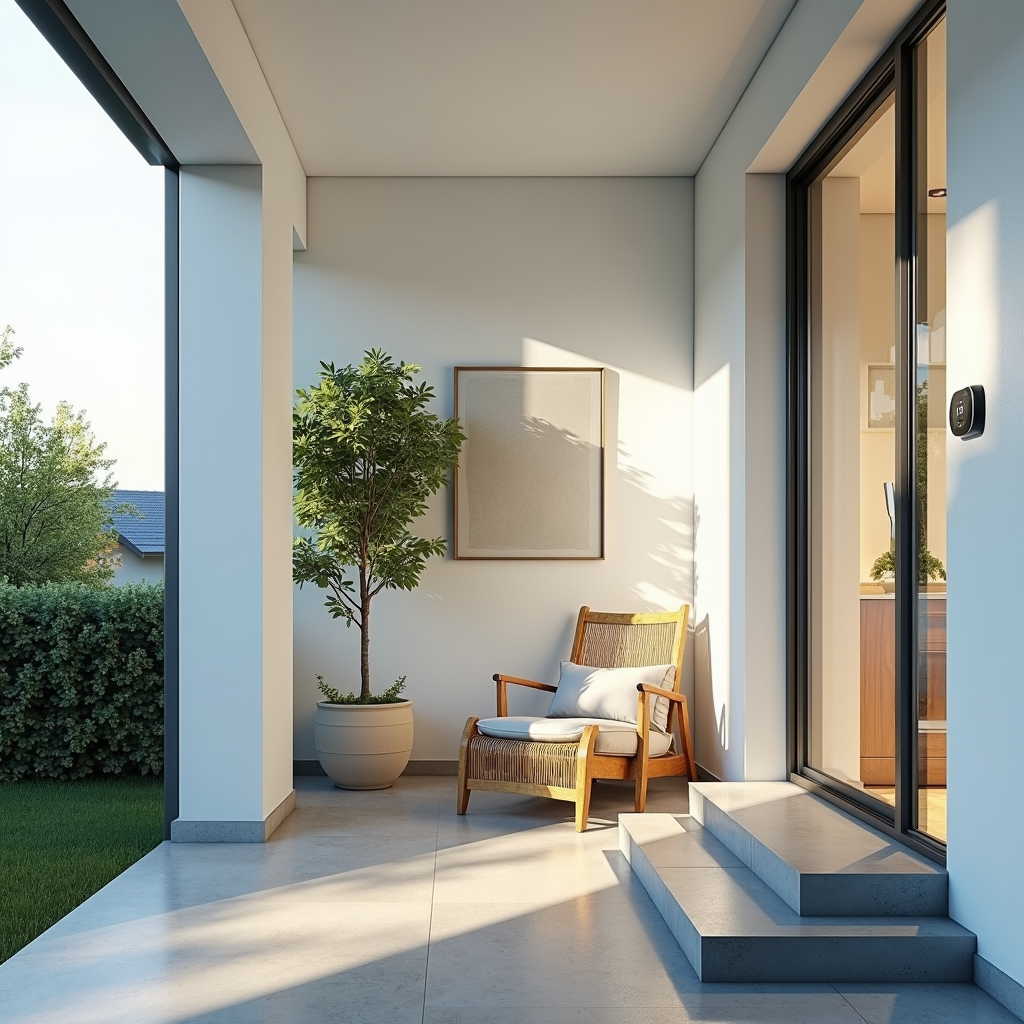
Maximizing ROI: The Art of Energy Efficiency Upgrades for Home Value
When considering significant home investments, it’s easy to focus solely on cosmetic updates—new kitchens, updated bathrooms, etc. While these undeniably boost curb appeal, true long-term value often lies deeper, in the unseen mechanics of your home’s performance. Investing in energy efficiency upgrades is one of the most fiscally responsible and impactful decisions a homeowner can make. These upgrades don't just lower your monthly utility bills; they fundamentally improve the home's operational value, making it more appealing to buyers and more comfortable for residents.
But how do you prioritize? Not all energy upgrades offer the same return on investment (ROI). Some improvements yield immediate, noticeable comfort improvements, while others might offer a massive financial boost over the lifespan of the property. This comprehensive guide breaks down the most effective, high-impact upgrades, helping you build a prioritized action plan that maximizes both your immediate comfort and your eventual resale equity.
Identifying the Biggest Energy Leaks in Modern Homes
Before spending a dollar, understanding where your house is losing money—and energy—is crucial. Most homes suffer from a combination of air infiltration, poor insulation, and outdated HVAC systems. Air leaks are often the most surprising culprits. Think of them as unintended pathways through your walls, attic, and around utility penetrations. High-end energy audits are not a luxury; they are a necessary diagnostic tool that pinpoints exactly where your home is wasting energy. A professional auditor will use blower door tests and thermal imaging cameras to give you a precise blueprint of necessary fixes.
- Air Sealing: Targeting gaps around windows, baseboards, and attic hatches is usually the quickest and cheapest fix with an immediate impact.
- Insulation Assessment: Attic and crawl space insulation levels should be checked against current building codes. Under-insulated attics are massive energy drains.
- Mechanical Systems Check: Ductwork leaks, often invisible, can account for significant energy waste, especially in older homes.
Insulation and Air Sealing: The Foundation of Efficiency
These two elements—insulation and air sealing—are often overlooked but are, arguably, the highest ROI upgrades available. They act as the thermal barrier, maintaining a stable indoor climate and dramatically reducing the workload on your expensive mechanical systems. The more stable your temperature, the less energy you consume and the happier your HVAC system will be.
Attic Insulation: The Low-Hanging Fruit
The attic is arguably the most significant point of energy leakage. Heat naturally rises, and if your attic space lacks sufficient insulation, the conditioned air inside your home will vent upward, escaping and carrying warmth (or coolness) with it. Upgrading to modern insulation types, such as blown-in cellulose or fiberglass with high R-values, is a relatively inexpensive job compared to the long-term savings it generates. As of 2026 projections, many state and federal energy incentive programs continue to heavily subsidize these upgrades, making the payback period incredibly short.
Air Sealing Techniques
Beyond just fluffing up the attic, proper air sealing involves carefully caulking and sealing penetrations. This includes using specialized foam around plumbing chases, sealing electrical boxes, and ensuring that any ductwork passing through the envelope is properly insulated and sealed. Paying attention to the "thermal bridge" points—where structural materials meet—can dramatically improve the home’s airtightness.
HVAC System Modernization: Beyond Just Changing Filters
The Heating, Ventilation, and Air Conditioning (HVAC) system is the most significant single utility expense for most homeowners. When it's time to replace an aging system, the opportunity to upgrade to highly efficient, smart technology should be seized.
The Case for Heat Pumps
Modern air source or ground source heat pumps have revolutionized home climate control. Unlike traditional furnaces (which primarily burn fuel), heat pumps move heat rather than generating it, making them vastly more efficient, especially in varying climates. They are the single greatest mechanical upgrade available today. Newer models are designed to function efficiently even when external temperatures drop significantly, providing reliable, cost-effective heating and cooling.
- Efficiency Metric (SEER/HSPF): When shopping, look at the Seasonal Energy Efficiency Ratio (SEER) and Heating Seasonal Performance Factor (HSPF). Higher numbers mean less energy consumption per unit of heat delivered.
- Smart Integration: Modern systems integrate with smart thermostats and home energy monitoring systems, allowing you to optimize performance based on occupancy and utility rate fluctuations.
Ductwork Inspection and Sealing
A brand-new, efficient furnace or air conditioner is only as good as the ductwork feeding it. If ducts in your crawl space or attic are leaky or damaged, you could be losing 20–30% of the conditioned air before it even reaches the vents. Before installing a new HVAC system, have a professional duct inspection and sealing performed. This preventative measure dramatically increases the ROI of the entire HVAC project.
Water and Appliance Efficiency: Focusing on Secondary Systems
Energy efficiency isn't limited to HVAC. Every major mechanical and water-using appliance can be optimized. These smaller upgrades compound to create massive savings and increase the home's functional grade.
Hot Water Recirculation and Tank Upgrades
Water heating is a huge energy draw. Consider upgrading to a high-efficiency, tankless water heater. These systems provide instant hot water on demand, eliminating the standby energy loss associated with keeping a large tank of water perpetually hot. Furthermore, installing a water recirculation pump can ensure hot water reaches fixtures quickly, reducing the amount of cold water waste.
Smart Water Fixtures and Appliances
Beyond the main water heater, simple upgrades like low-flow aerators on faucets and high-efficiency, Energy Star-rated washing machines and dishwashers can make a difference. While the initial cost is low, the cumulative savings in water and energy over years is significant.
The Power of Electrification and Solar Integration
Looking toward the future, the most valuable upgrades are those that embrace electrification and self-generation. This involves moving away from natural gas or propane for core functions and embracing clean electricity.
Heat Pump Water Heaters (HPWHs)
Replacing a gas-powered water heater with a Heat Pump Water Heater (HPWH) is a stellar example of electrification ROI. These units draw ambient air heat to heat the water, operating with the efficiency of a modern air conditioner. They drastically reduce both your carbon footprint and your energy bill. The installation process is straightforward and the efficiency gains are enormous.
Solar Photovoltaic (PV) Systems
While the initial cost of solar panels can be high, the benefits are triple-pronged: energy independence, massive long-term cost savings, and significant equity increase. Modern PV systems are increasingly designed to integrate seamlessly with battery storage (like a Tesla Powerwall). Pairing solar generation with battery backup ensures that your home remains efficiently powered even during grid outages, a massive selling point in today's market.
Source Data Context: According to recent modeling from the Department of Energy (DOE), homes that achieve an energy efficiency rating through a combination of insulation, air sealing, and heat pump installation can reduce their overall annual energy usage by 30% to 50%. These savings often exceed the depreciation cost of the equipment within a decade.
Further Reading: For detailed ROI calculations and local incentive programs, consult the resources provided by the National Association of Home Builders (NAHB) and your local utility provider’s energy efficiency programs.
Calculating the True ROI: Beyond Sticker Shock
To determine if an upgrade is truly worth it, you must calculate the holistic Return on Investment (ROI). This calculation involves more than just dividing the cost by the estimated annual savings.
- Energy Savings Calculation: Estimate your current energy use (based on past utility bills) and calculate the expected reduction after the upgrade.
- Comfort Value (The Human Element): Account for the measurable improvement in quality of life—less humidity, stable temperature, quieter operation.
- Resale Value Premium: Research comparable sales (comps) in your area. Buyers are increasingly looking for low-maintenance, high-efficiency homes. A home documented with advanced efficiency upgrades is priced at a premium.
- Incentives and Tax Credits: Crucially, do not forget state, federal, and local tax credits, rebates, and low-interest financing options. These subsidies drastically reduce the net cost of the upgrade.
By systematically evaluating these four components, you move beyond simply paying for an upgrade and start investing in a durable, value-enhancing asset. Focus on the systemic upgrades—insulation, air sealing, and efficient HVAC—as these form the backbone of a highly desirable and profitable home.