Demystifying Medical Cannabis Trials: Essential Insights for Potential Participants
Explore the intricacies of medical cannabis trials and what participants should understand before joining. Discover the structured phases, potential benefits, and the importance of informed consent in these trials. While medical cannabis trials aim to advance scientific knowledge, outcomes can vary.
What Are Medical Cannabis Trials?
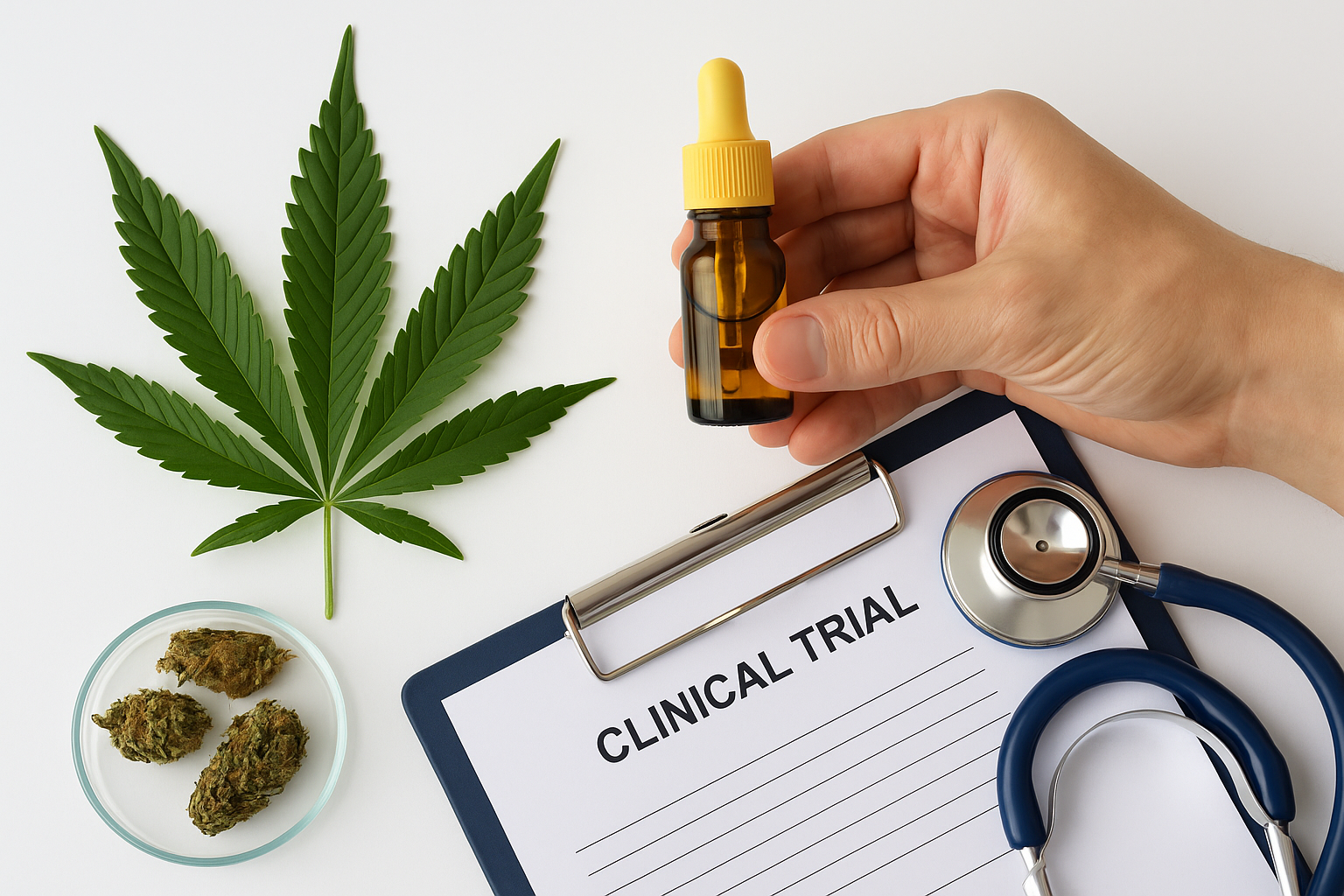
Medical cannabis trials are research studies conducted to assess the effectiveness and safety of cannabis and its constituents for a specific medical purpose. These trials are crucial in understanding how medical cannabis can be used to treat various health conditions, ranging from chronic pain to anxiety disorders.
Participants in these trials usually either receive the medical cannabis product or a placebo and are monitored over time to determine the outcomes of the treatment. The insights gained from these trials play a vital role in shaping medical guidelines and regulations for cannabis use.
Who Conducts Medical Cannabis Trials?
These trials are typically conducted by research institutions, pharmaceutical companies, or cannabis pharmaceutical firms. They involve a team of professionals, including clinicians, researchers, and statisticians, who work collaboratively to ensure the trial is scientifically valid and ethically conducted. Regulatory bodies like the Food and Drug Administration (FDA) in the United States also oversee these trials to ensure compliance with legal and safety standards.
Participation in Medical Cannabis Trials
Eligibility Criteria
To participate in a medical cannabis trial, individuals must meet specific eligibility criteria. These criteria ensure that the participants are suitable for the study and help maintain the integrity and reliability of the results. Common eligibility requirements may include:
- Age restrictions (often 18 and older)
- Specific medical conditions or symptoms being studied
- No history of substance abuse
- Not currently pregnant or breastfeeding
- The ability to provide informed consent
Informed Consent
Informed consent is a critical component of medical cannabis trials. Before participating, individuals are provided with detailed information about the study, including its purpose, duration, required procedures, potential risks, and benefits. Participants must voluntarily agree to partake in the trial, understanding their rights to withdraw at any time without penalty.
Benefits of Participation
Participants in medical cannabis trials may gain access to new and potentially effective treatments before they are widely available. Additionally, they contribute to research that could benefit others with similar health issues. However, it's important for participants to recognize that there may be no immediate personal benefit, and some trials may involve placebos.
Phases of Medical Cannabis Trials
Medical cannabis trials typically occur in several phases, each designed to answer specific research questions:
Phase 1
This initial phase focuses on evaluating the safety of the medical cannabis preparation. A small group of participants is given the drug to determine safe dosage ranges and identify any side effects.
Phase 2
Phase 2 trials involve a larger group of participants and aim to assess the effectiveness of the drug while continuing to monitor its safety. This phase helps establish how the drug affects the medical condition being studied.
Phase 3
In phase 3, the drug is tested on an even larger group of individuals. This phase helps confirm its effectiveness, monitor side effects on a larger scale, and compare it to commonly used treatments. Successful completion of this phase is critical for gaining regulatory approval.
Phase 4
Phase 4 occurs after the drug has been approved for public use. This phase monitors long-term effects and gathers additional information in diverse populations. It helps in understanding the long-term benefits and risks of the drug.
Considerations for Participants
Potential Risks
Like any clinical research, medical cannabis trials have potential risks. These can include adverse reactions to the drug, which may be mild or severe. Participants need to be informed about these risks prior to enrolling in the trial. Regular monitoring and check-ups are part of the trial protocol to manage any issues that arise during the study.
Time Commitment
Participation in medical cannabis trials can vary in terms of time commitment. Some studies may last only a few weeks, while others may extend for several months or years. It's important for potential participants to understand the time requirements and ensure they can commit to the entire duration of the trial.
Privacy and Data Protection
Participants' privacy is a primary concern. Personal and health information collected during the trial is confidential and safeguarded according to strict privacy regulations. Researchers ensure that data is anonymized and that individual results are never shared publicly.
Current Trends in Medical Cannabis Research
The demand for high-quality clinical evidence around medical cannabis is growing. According to the World Health Organization, research is increasingly focusing on specific cannabinoids like CBD and THC, their potential therapeutic effects, and safety profiles. In 2026, the global medical cannabis market is projected to continue its rapid growth, driven by increasing acceptance and legislative changes worldwide (source: Global Cannabis Market Report 2026).
Conclusion
Understanding how medical cannabis trials work is essential for anyone considering participation. These trials are a cornerstone of medical science, helping to determine the safety and effectiveness of cannabis for medical use. By understanding the trial process and what it entails, potential participants can make informed decisions and contribute to advancing our understanding of medical cannabis. As this field continues to evolve, staying informed about new developments and ongoing research can provide health professionals and the general public with valuable insights into this promising area of medicine.
References