Discover Fiber-Rich Fruits That Boost Your Gut Health
You know fiber is crucial for a happy gut, but which fruits pack the biggest punch? We’re breaking down the top high-fiber fruits, from everyday favorites like raspberries to some surprising tropical superstars you might not have considered.
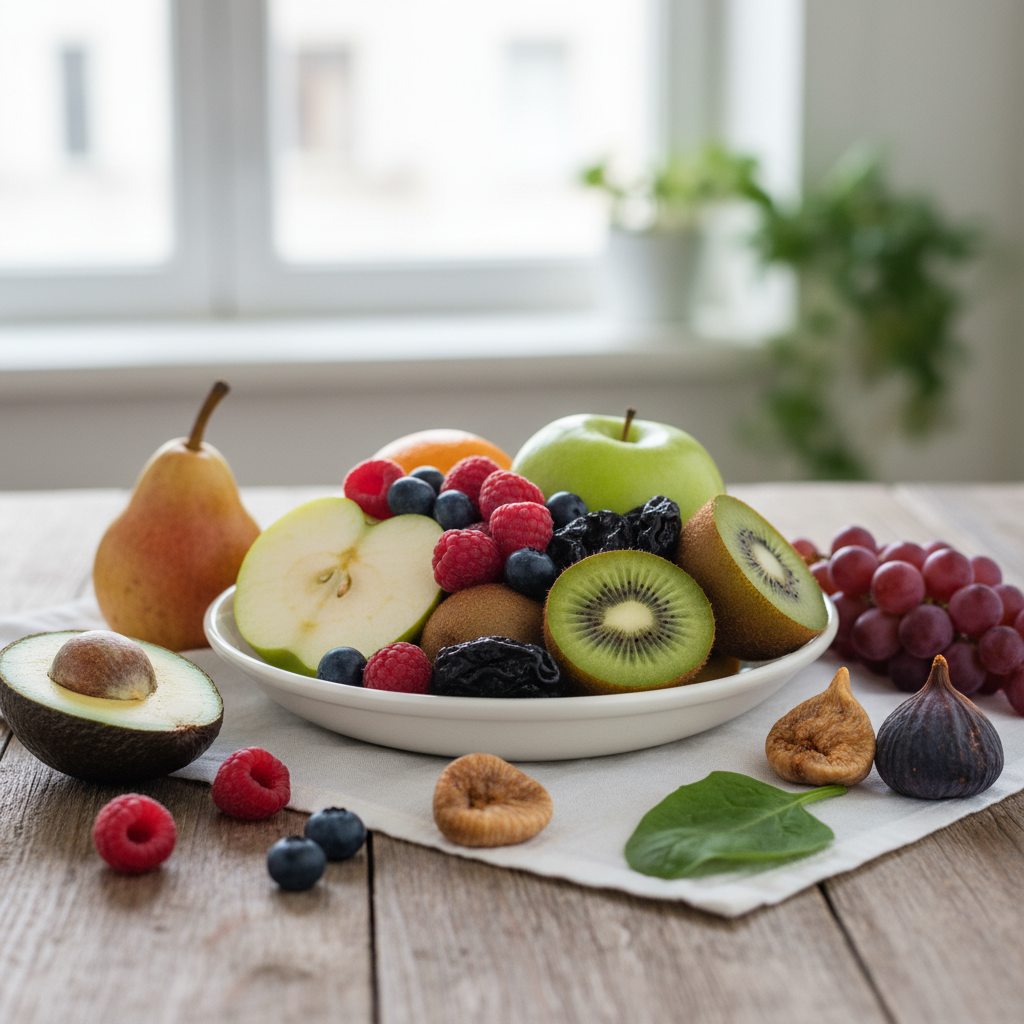
Dietary fiber is an essential nutrient that plays a crucial role in maintaining a healthy digestive system. It's the part of plant-based foods that your body can't digest or absorb, which might sound counterintuitive, but this property is exactly what makes it so beneficial. Fiber adds bulk to your stool, helps regulate bowel movements, and serves as food for the beneficial bacteria living in your gut. A diet rich in fiber is linked to a lower risk of chronic diseases and can significantly improve overall gut health. Fortunately, many delicious fruits are packed with this vital nutrient. Let's explore some of the top choices you can easily add to your daily diet.
Top Fiber-Rich Fruits for a Happy Gut
Incorporating these fruits into your meals and snacks is a simple and effective way to boost your fiber intake and support your digestive wellness.
1. Raspberries
When it comes to fiber, raspberries are a true powerhouse. A single cup of these vibrant berries contains an impressive 8 grams of fiber, which is about a third of the recommended daily intake for many adults. Their fiber is a mix of soluble and insoluble types, making them excellent for both feeding good gut bacteria and promoting regularity. The tiny seeds in raspberries are a key contributor to their high fiber content, so you get benefits with every bite.
Beyond fiber, raspberries are loaded with antioxidants like vitamin C and quercetin, which help reduce inflammation throughout the body, including in the gut. Their low sugar content compared to other fruits also makes them a great choice for maintaining balanced blood sugar levels, which is indirectly beneficial for gut health by preventing sugar-fueled growth of less desirable gut microbes.
2. Pears
Often overlooked, pears are a fantastic source of dietary fiber. A medium-sized pear, with the skin on, provides about 6 grams of fiber. A significant portion of this fiber is pectin, a type of soluble fiber that acts as a prebiotic. This means it bypasses digestion in the small intestine and travels to the colon, where it becomes a food source for beneficial gut bacteria. Nourishing these bacteria helps them thrive, leading to a healthier and more balanced gut microbiome.
To get the maximum fiber benefit, it's crucial to eat the skin of the pear, as that's where a large amount of the fiber is concentrated. Pears are also a gentle fruit on the digestive system, making them a good option for those who may be sensitive to higher-fiber foods.
3. Apples
An apple a day might not just keep the doctor away; it can also help keep your gut in top shape. A medium-sized apple with its skin contains around 4.5 grams of fiber. Similar to pears, apples are rich in pectin, the soluble fiber known for its prebiotic effects. By feeding your good gut bacteria, pectin helps in the production of short-chain fatty acids (SCFAs) like butyrate, which is the primary fuel source for the cells lining your colon and helps maintain a strong gut barrier.
Leaving the skin on your apple is key, as it contains a significant amount of insoluble fiber that adds bulk to stool and helps food pass more quickly through the digestive system. The combination of soluble and insoluble fiber makes apples a well-rounded choice for overall digestive health.
4. Avocados
While many people think of avocados as a source of healthy fats, they are technically a fruit and are surprisingly high in fiber. Half of a medium avocado can pack nearly 7 grams of fiber. This makes it one of the most fiber-dense fruits you can eat. The fiber in avocados helps promote regular bowel movements and can contribute to a feeling of fullness, which can aid in weight management.
The combination of healthy monounsaturated fats and fiber in avocados is particularly beneficial for gut health. This pairing supports the diversity of the gut microbiome and helps reduce inflammation. You can easily add avocado to salads, toast, smoothies, or enjoy it on its own.
5. Bananas
Bananas, especially when they are slightly green, are another excellent fruit for gut health. A medium-sized banana offers about 3 grams of fiber. When bananas are not yet fully ripe, they contain a higher amount of resistant starch, which functions similarly to soluble fiber. This starch resists digestion and ferments in the large intestine, acting as a potent prebiotic that fuels beneficial gut microbes.
As bananas ripen, the resistant starch converts to simple sugars, so for the maximum prebiotic benefit, choose ones that are still a little green at the tips. Even ripe bananas provide valuable fiber, along with potassium, which is important for fluid balance and muscle function, including the muscles of the digestive tract.
6. Blackberries
Like their red counterparts, blackberries are a fiber superstar. One cup of blackberries delivers nearly 8 grams of fiber. This high fiber content is fantastic for promoting digestive regularity and preventing constipation. They are also packed with vitamins C and K, as well as antioxidants known as anthocyanins, which give them their deep, dark color and possess anti-inflammatory properties that can benefit the gut.
The combination of high fiber and potent antioxidants makes blackberries an excellent choice for supporting a healthy gut lining and reducing oxidative stress in the digestive system. They are delicious in smoothies, yogurt, or simply eaten by the handful.
7. Figs
Both fresh and dried figs are a wonderful source of fiber. Just two or three dried figs can provide around 5 grams of fiber. Figs contain a balanced mix of soluble and insoluble fiber. The soluble fiber helps to soften stool, while the insoluble fiber adds bulk, creating a dual-action effect that is highly effective for promoting regularity and preventing digestive discomfort.
Figs also contain an enzyme called ficin, which can aid in digestion. For centuries, they have been used as a natural remedy for constipation. Whether you enjoy them fresh during their season or dried year-round, figs are a sweet and effective way to boost your fiber intake.
Why Fiber Is So Crucial for Your Gut's Ecosystem
To truly appreciate these high-fiber fruits, it helps to understand what's happening inside your digestive system. Your gut is home to trillions of microorganisms, including bacteria, viruses, and fungi, collectively known as the gut microbiome. This internal ecosystem is incredibly important for your overall health, influencing everything from digestion and immunity to mood and metabolism.
Dietary fiber is the primary food source for the beneficial bacteria in your gut. There are two main types of fiber, and both play vital roles:
- Soluble Fiber: This type of fiber dissolves in water to form a gel-like substance in your digestive tract. It slows down digestion, which can help you feel fuller for longer and helps manage blood sugar levels. More importantly for gut health, it is fermented by gut bacteria, producing beneficial compounds like short-chain fatty acids (SCFAs). These SCFAs nourish colon cells, strengthen the gut barrier, and reduce inflammation. Pectin in apples and pears is a perfect example.
- Insoluble Fiber: This type does not dissolve in water. Instead, it adds bulk to the stool and acts like a "scrubbing brush" for your intestines, helping to move waste through your system more efficiently. This promotes regularity and helps prevent constipation. The fiber found in the skins of fruits and the seeds of berries is often insoluble.
A diet rich in diverse sources of fiber, like the fruits listed above, ensures you are nourishing a wide variety of good bacteria. This diversity is a hallmark of a healthy gut microbiome, making your digestive system more resilient and better equipped to perform its essential functions.
Common Questions About Increasing Fiber Intake
As you begin to add more high-fiber fruits to your diet, you might have some questions. Here are answers to a few common queries.
How Much Fiber Do I Actually Need Daily?
Dietary guidelines vary slightly, but a general recommendation is for adult women to aim for about 25 grams of fiber per day and for adult men to aim for about 38 grams per day. Most people fall far short of this goal, often consuming only half the recommended amount. Tracking your intake for a few days can be an eye-opening experience and can help you identify opportunities to add more fiber-rich foods.
Instead of getting fixated on hitting an exact number, focus on gradually increasing your intake. Adding just one or two servings of the high-fiber fruits mentioned in this article can make a significant difference. Remember to increase your water intake as you increase your fiber intake, as water helps the fiber do its job effectively and prevents potential bloating or discomfort.
Are There Any Side Effects of Eating Too Much Fiber?
While fiber is incredibly beneficial, it is possible to have too much of a good thing, especially if you increase your intake too quickly. Suddenly adding a large amount of fiber to your diet can lead to temporary side effects like gas, bloating, cramping, and constipation. This happens because your digestive system and gut bacteria need time to adapt to the higher load.
The key is to increase your fiber intake gradually over several weeks. Start by adding one high-fiber serving per day and see how your body responds before adding more. Spreading your fiber intake throughout the day, rather than consuming it all in one meal, can also help. And as mentioned, drinking plenty of water is crucial to help the fiber move smoothly through your digestive system.
What Is the Easiest Way to Incorporate These Fruits into My Diet?
Making high-fiber fruits a regular part of your diet doesn't have to be complicated. Start your day with a smoothie that includes raspberries, a banana, and a handful of spinach. For lunch, slice an apple or pear to eat alongside a salad or sandwich. Avocados can be mashed onto toast for a quick breakfast or blended into a creamy salad dressing.
Snacking is another easy opportunity. A handful of blackberries or a few dried figs can be a perfect afternoon pick-me-up that satisfies a sweet craving while providing a substantial fiber boost. By making small, consistent changes, you can easily elevate your fiber intake and reap the rewards for your gut health.
Conclusion
Boosting your dietary fiber is one of the most effective ways to support and improve your gut health. Fruits are a delicious, natural, and nutrient-dense way to achieve this goal. By regularly incorporating fiber-rich choices like raspberries, pears, apples, avocados, and bananas into your meals, you provide essential fuel for your beneficial gut bacteria, promote digestive regularity, and contribute to your overall well-being. Start small, increase your intake gradually, and enjoy the wide variety of flavors and benefits these amazing fruits have to offer.
For further reading on dietary fiber and digestive health, you can explore resources from: