Discover the Optimal Season for Trading In Your Car
Discover the optimal season to trade in your car with expert insights into market trends! While the best time of year to trade in your car may vary, spring often sees higher inventory and competitive prices, making it an attractive option.
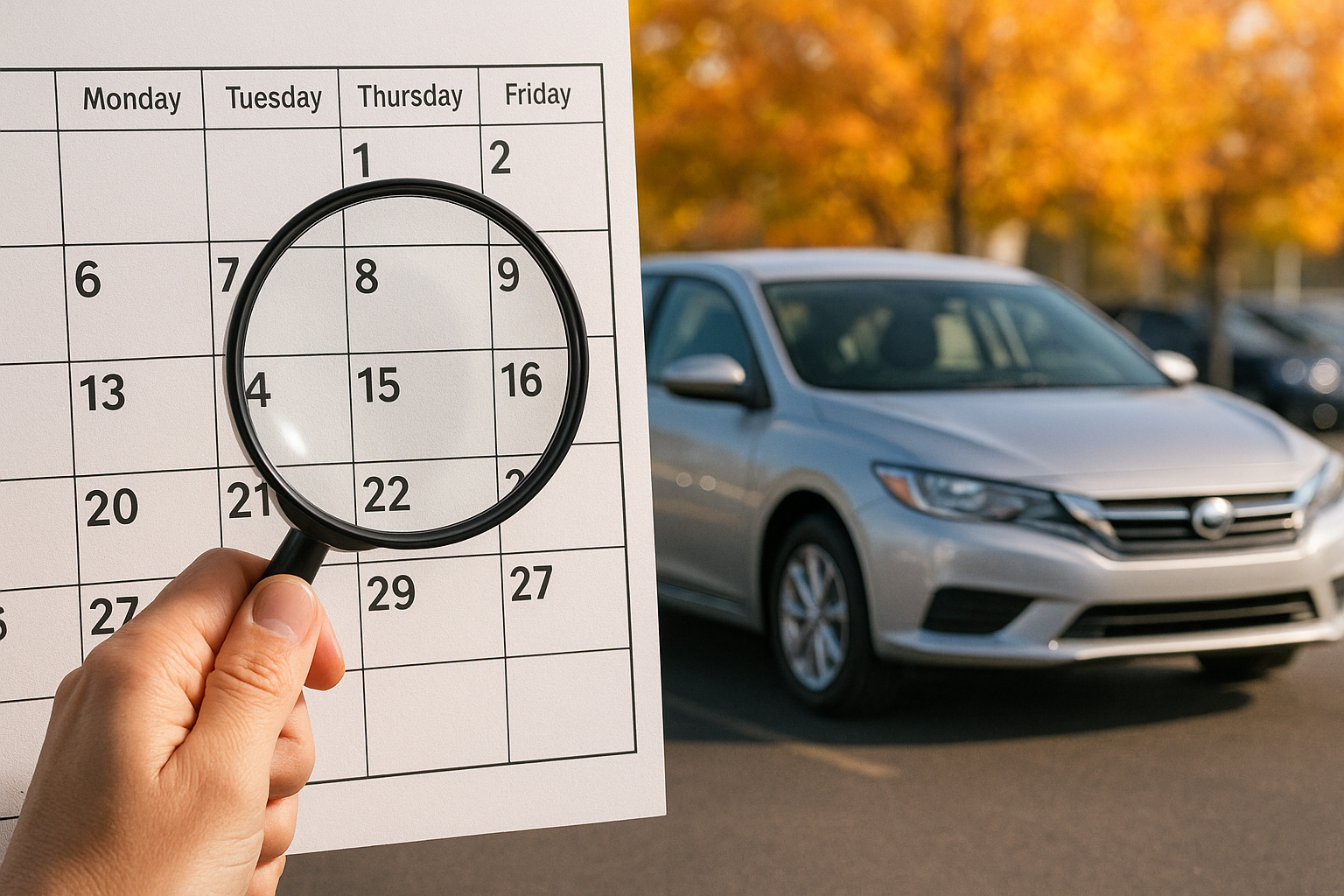
Understanding the Best Time of Year to Trade In Your Car
Trading in your car can be a significant decision, impacting your finances, your vehicle options, and even your lifestyle. Knowing the best time to trade in your car can maximize your trade-in value and ensure you make the most informed decision. Several factors influence this timing, from market trends to seasonal shifts, and understanding these can provide you with substantial benefits.
Why Timing Matters
The timing of your car trade-in affects the transaction in several pivotal ways. Car values fluctuate based on supply and demand dynamics, seasonal changes, and consumer trends. Trading in at the right time can help you get a better offer from dealerships and private buyers alike.
Beyond maximizing financial returns, perfect timing can align your trade-in with new model releases, potentially yielding newer vehicles at competitive prices. Understanding the market landscape over the calendar year is crucial in making this decision.
Key Factors Influencing Trade-In Values
Let's break down the primary factors that contribute to determining the optimal time for trading in your car:
- Market Demand and Supply
- New Model Releases
- Seasonal Trends
- Economic Conditions
Market Demand and Supply
The car market functions on basic economic principles of demand and supply. When the demand for used cars is high, trade-in values generally increase. According to recent studies from Consumer Reports, the demand for used cars spikes during times of global uncertainty, such as economic downturns, where consumers may opt for more economical choices over brand-new cars.
Conversely, when there is an oversupply, perhaps due to an influx of new car purchases, trade-in values may decrease. Staying informed about market trends via auto industry analyses and reports can guide you in choosing the most opportune time.
New Model Releases
Each year, car manufacturers unveil new models, typically between late summer and fall. Trading in your car before these releases can be strategic because dealerships may offer better values to clear out existing inventories in preparation for new models. This helps them make room in their showroom floors and manage inventory more effectively.
In 2026, reports from Automotive News indicate the trend of increasing early year promotions for existing models, making spring a potentially lucrative time for trading in.
Seasonal Trends
Different seasons can also impact trade-in values. Traditionally, spring and summer bring increased interest from buyers, resulting in competitive market dynamics and potentially higher trade-in offers. This results from tax refund season, which increases disposable income for many consumers looking to upgrade their vehicles.
Interestingly, winter months also provide unique opportunities. A sudden need for winter-appropriate vehicles is common in colder regions. Thus, if you trade in a vehicle suited for harsh weather during this time, such as an SUV with four-wheel drive, there might be higher demand and value associated with it.
Economic Conditions
Overall economic health can heavily influence the best time to trade in your car. In times when the economy is thriving, there is generally increased consumer spending with robust trade-in values. However, in challenging economic climates, getting the optimal value might require precise timing, leveraging times of strong demand over supply, such as during tax return season or holiday sales events.
In 2026, the economy presents mixed signals with inflation rates fluctuating. Keeping watch on reports from CNBC's economic updates can provide you with timely information on broader economic trends impacting the auto industry.
Practical Steps for Trading In Your Car
Here are some practical strategies to ensure you secure a great offer when you decide to trade in your car:
- Maintain Your Vehicle: Regular maintenance and timely repairs keep your vehicle in top condition, which boosts trade-in value.
- Research Market Values: Use resources like Kelley Blue Book and Edmunds to gauge your car's current market value.
- Shop Around: Don’t settle for the first offer. Approach multiple dealerships to get competitive quotes.
- Negotiate Wisely: Be prepared to negotiate by presenting your research and vehicle condition transparently.
In conclusion, trading in your car at the right time involves strategic considerations of market conditions, seasonal dynamics, and economic trends. Staying informed and prepared will ensure that you make the most advantageous decision possible.