Essential Tips for Supporting a Healthy Liver Naturally
Discover ways to support a healthier liver with our guide on improving fatty liver health. From dietary changes to lifestyle adjustments, learn practical tips for liver wellness. While a direct cure may not exist, understanding how various factors can influence liver health is crucial.
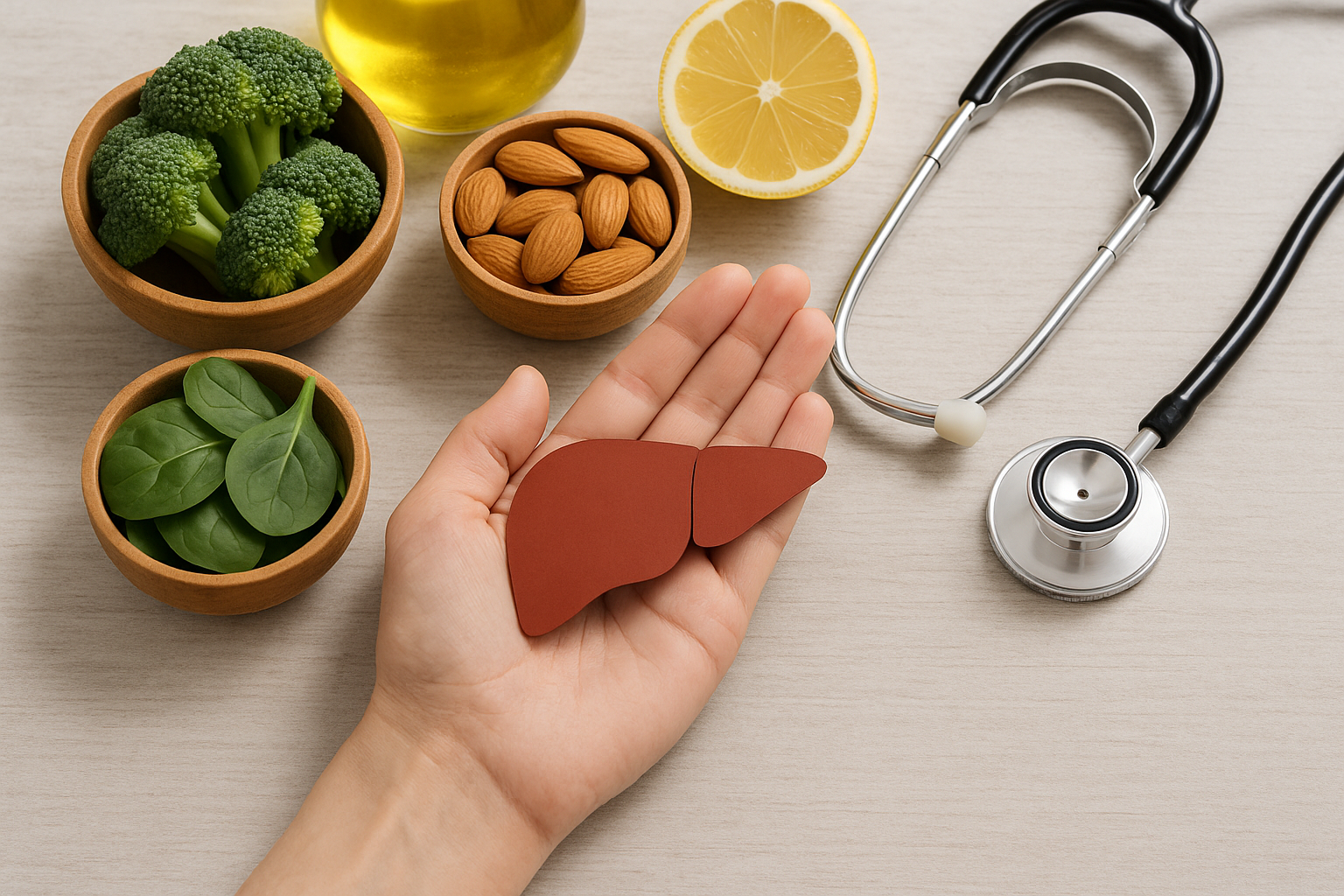
Understanding Fatty Liver Disease
Fatty liver disease, or hepatic steatosis, is a condition that affects nearly 25% of the global population. It is characterized by an accumulation of fat in the liver cells. While the liver usually contains some fat, it becomes problematic when more than 5-10% of the liver's weight is fat. Fatty liver disease can be classified into non-alcoholic fatty liver disease (NAFLD) and alcoholic fatty liver disease, depending on alcohol consumption.
The Two Types: Non-Alcoholic and Alcoholic
NAFLD is the most common form and is often associated with obesity, type 2 diabetes, and metabolic syndrome. On the other hand, alcoholic fatty liver disease results from excessive alcohol intake. Both conditions, if left untreated, can lead to more severe liver damage such as steatohepatitis, fibrosis, or even cirrhosis.
What Helps A Fatty Liver Get Better?
Managing and reversing fatty liver disease involves a combination of lifestyle changes, dietary adjustments, and in some cases, medical interventions. Below are some key strategies:
Lifestyle Changes
- Weight Loss: Studies from 2026 suggest that losing at least 7-10% of body weight can significantly reduce liver fat and inflammation. A gradual weight loss of about 1 to 2 pounds per week is considered safe and effective.
- Regular Exercise: Engaging in regular physical activity, such as brisk walking, cycling, or swimming, for at least 150 minutes per week can help improve liver health. Exercise not only aids weight loss but also improves insulin sensitivity.
- Limit Alcohol Intake: For those with alcoholic fatty liver disease, it is crucial to reduce or completely eliminate alcohol consumption. Even for NAFLD, limiting alcohol can prevent further liver damage.
Dietary Adjustments
A healthy diet plays a crucial role in managing fatty liver. The following dietary guidelines can help support liver health:
- Adopt a Mediterranean Diet: This diet emphasizes fruits, vegetables, whole grains, nuts, seeds, and healthy fats like olive oil. According to recent studies, adopting a Mediterranean diet can lead to a significant decrease in liver fat content.
- Increase Omega-3 Fatty Acids: Found in fish like salmon and mackerel, omega-3 has anti-inflammatory properties that can benefit liver health.
- Reduce Sugar and Refined Carbs: High intake of sugars and refined carbohydrates is linked to increased liver fat. Focus on consuming complex carbohydrates and natural sugars found in fruits and vegetables.
Medical Interventions
While lifestyle and dietary changes are the cornerstone of managing fatty liver, some individuals may require medical treatments:
- Medications: Although no drug is officially approved for fatty liver treatment, medications like vitamin E and pioglitazone have been found to help reduce liver inflammation in some cases.
- Regular Monitoring: Regular check-ups with healthcare professionals are advised to monitor liver health and make necessary adjustments to treatment plans.
Success Stories and Real-World Examples
John, a 45-year-old office worker, was diagnosed with NAFLD two years ago. By incorporating a Mediterranean diet and regular jogging sessions into his routine, John successfully lost 12% of his body weight. Follow-up ultrasounds showed a marked reduction in liver fat, affirming the importance of consistent lifestyle modifications.
Conclusion
Fatty liver disease is a manageable condition with the right approach. By integrating lifestyle changes, dietary modifications, and, when necessary, medical treatments, many individuals have successfully improved their liver health. Remember, it is essential to consult with healthcare providers to develop a personalized treatment plan.
For more in-depth information, you might want to explore articles from reputable sources such as the Scientific Reports on Liver Diseases or the latest guidelines from the American Gastroenterological Association.
References
- https://www.healthline.com/nutrition/fatty-liver
- https://www.healthline.com/health/fatty-liver-diet
- https://www.mayoclinic.org/diseases-conditions/nonalcoholic-fatty-liver-disease/diagnosis-treatment/drc-20354567
- https://www.mayoclinic.org/diseases-conditions/nonalcoholic-fatty-liver-disease/care-at-mayo-clinic/mac-20354577
- https://www.hopkinsmedicine.org/health/conditions-and-diseases/nonalcoholic-fatty-liver-disease
- https://www.nhs.uk/conditions/non-alcoholic-fatty-liver-disease-nafld/
- https://www.health.harvard.edu/blog/fatty-liver-disease-what-you-should-know-202202172688
- https://www.webmd.com/hepatitis/what-is-fatty-liver-disease