Exploring Breathing Techniques for Managing Chronic Lung Conditions
Discover how various breathing techniques can support individuals with chronic lung conditions. While these methods may not offer a cure, they can enhance quality of life and improve daily respiratory function.
Understanding Chronic Lung Conditions
Chronic lung conditions, such as Chronic Obstructive Pulmonary Disease (COPD), asthma, and pulmonary fibrosis, are long-term respiratory illnesses that affect millions of people worldwide. These conditions can significantly impact a person's quality of life, causing breathing difficulties and reducing the ability to perform everyday activities. According to the World Health Organization, as of 2026, COPD alone is the third leading cause of death globally. Understanding these conditions is the first step in managing them effectively.
Chronic lung conditions are characterized by persistent symptoms such as breathlessness, chronic cough, and frequent respiratory infections. Unfortunately, they are usually progressive, meaning they can worsen over time without appropriate management. While traditional treatments such as medications and oxygen therapy are essential, alternative approaches like breathing techniques can also play a critical role in managing symptoms and improving quality of life.
The Role of Breathing Techniques
Breathing techniques are a simple yet powerful tool for managing symptoms associated with chronic lung conditions. These techniques can improve respiratory efficiency, enhance lung capacity, and reduce anxiety related to breathlessness. They can be easily practiced at home and often require no equipment, making them accessible to a wide range of individuals.
Types of Breathing Techniques
- Pursed-Lip Breathing: This technique helps slow down your breathing and keeps your airways open longer, allowing more air to move in and out of your lungs. It's particularly useful during activity like climbing stairs.
- Diaphragmatic Breathing: Sometimes known as belly breathing, this method focuses on engaging the diaphragm better, thus improving the efficiency of your breaths.
- Coordinated Breathing: Useful during physical activity, this involves synchronizing your breath with your movements, helping manage breathlessness.
How to Practice Pursed-Lip Breathing
Pursed-lip breathing is particularly beneficial for those with chronic lung conditions because it helps improve oxygen and carbon dioxide exchange. Here’s how you can practice it:
- Sit in a comfortable chair with your shoulders relaxed.
- Inhale slowly through your nose for a count of two.
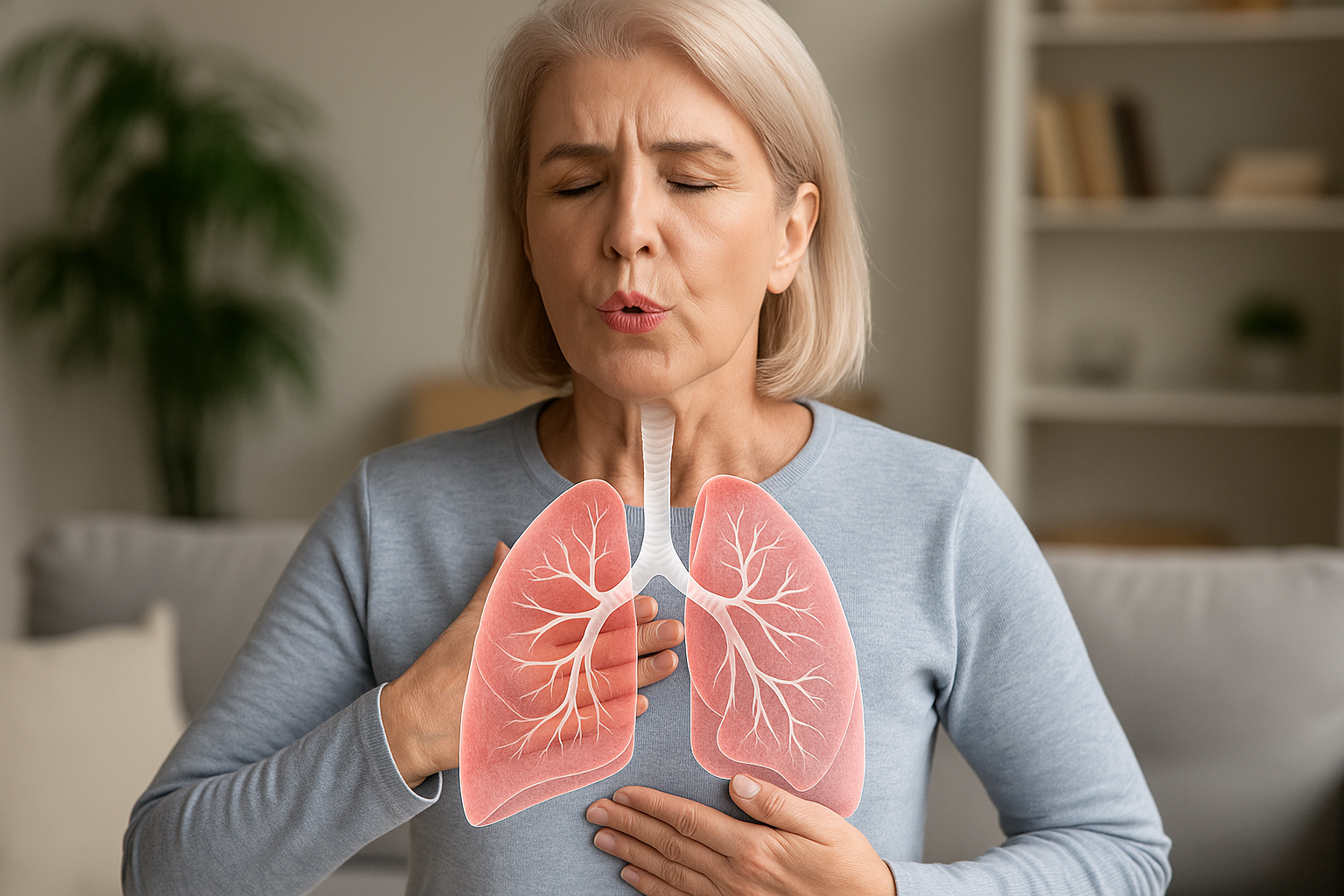
- Purse your lips as if you're about to blow out candles.
- Exhale slowly and gently through your pursed lips for a count of four.
Practicing this technique several times a day can help improve your breathing over time, enhancing your ability to perform daily tasks without becoming winded.
The Science Behind Breathing Techniques
Research supports the benefits of breathing techniques for individuals with chronic lung conditions. A recent 2026 study published in the Journal of Pulmonary Rehabilitation found that patients who regularly practiced breathing exercises reported significant improvements in breathlessness and overall life quality. These practices can reduce the sensation of being “short of breath” (dyspnea) and improve respiratory muscle strength.
Physiological Effects
Breathing techniques improve the balance between the oxygen you take in and the carbon dioxide you expel. They help relax the diaphragm, a major muscle of breathing, and promote relaxation throughout the body, thus reducing stress which can exacerbate breathing problems. By engaging more of the lungs in the breathing process, these techniques can help improve lung ventilation and oxygenation.
Integrating Breathing Techniques into Daily Life
To gain the maximum benefit from breathing techniques, they should be integrated into your daily routine. Here are a few ways to incorporate these practices into your life:
- Start Small: Begin with five to ten minutes a day and gradually increase as you become more comfortable.
- Consistency is Key: Practice consistently every day, ideally at the same time, to build a habit.
- Combine with Other Activities: You can incorporate breathing techniques into other activities like walking or stretching for enhanced benefits.
Real-world Examples and Testimonials
Many individuals with chronic lung conditions have found relief through breathing techniques. For example, Sarah, a COPD patient, shares, "Incorporating diaphragmatic breathing into my morning routine has given me new energy and reduced my anxiety about daily tasks." Similarly, a review on Healthline highlights how structured breathing programs have helped users improve their exercise tolerance and reduce hospital visits.
These testimonials underscore the practical benefits of breathing techniques. While they are not a substitute for medical treatment, they are a valuable supplement in the arsenal against chronic lung conditions.
Conclusion and Further Information
Breathing techniques represent a natural, non-invasive way to manage chronic lung conditions. By increasing lung efficacy, reducing stress, and enhancing overall well-being, these techniques empower individuals to take control of their health. Whether you're managing COPD, asthma, or another respiratory condition, incorporating structured breathing exercises could significantly improve your quality of life.
For more information on how to integrate these techniques into your daily life, consult with respiratory therapists or join a pulmonary rehabilitation program. Additionally, always consult your healthcare provider before starting any new health routine to ensure it's appropriate for your condition.
For further reading on this topic, you can visit resources like the American Lung Association or World Health Organization.