Exploring Credit Card Options for a 500 Credit Score: What You Need to Know
Are you wondering if you can get a credit card with a 500 credit score? While having a low score may limit your options, there are possibilities to explore. Some credit card issuers offer cards specifically for individuals with lower scores.
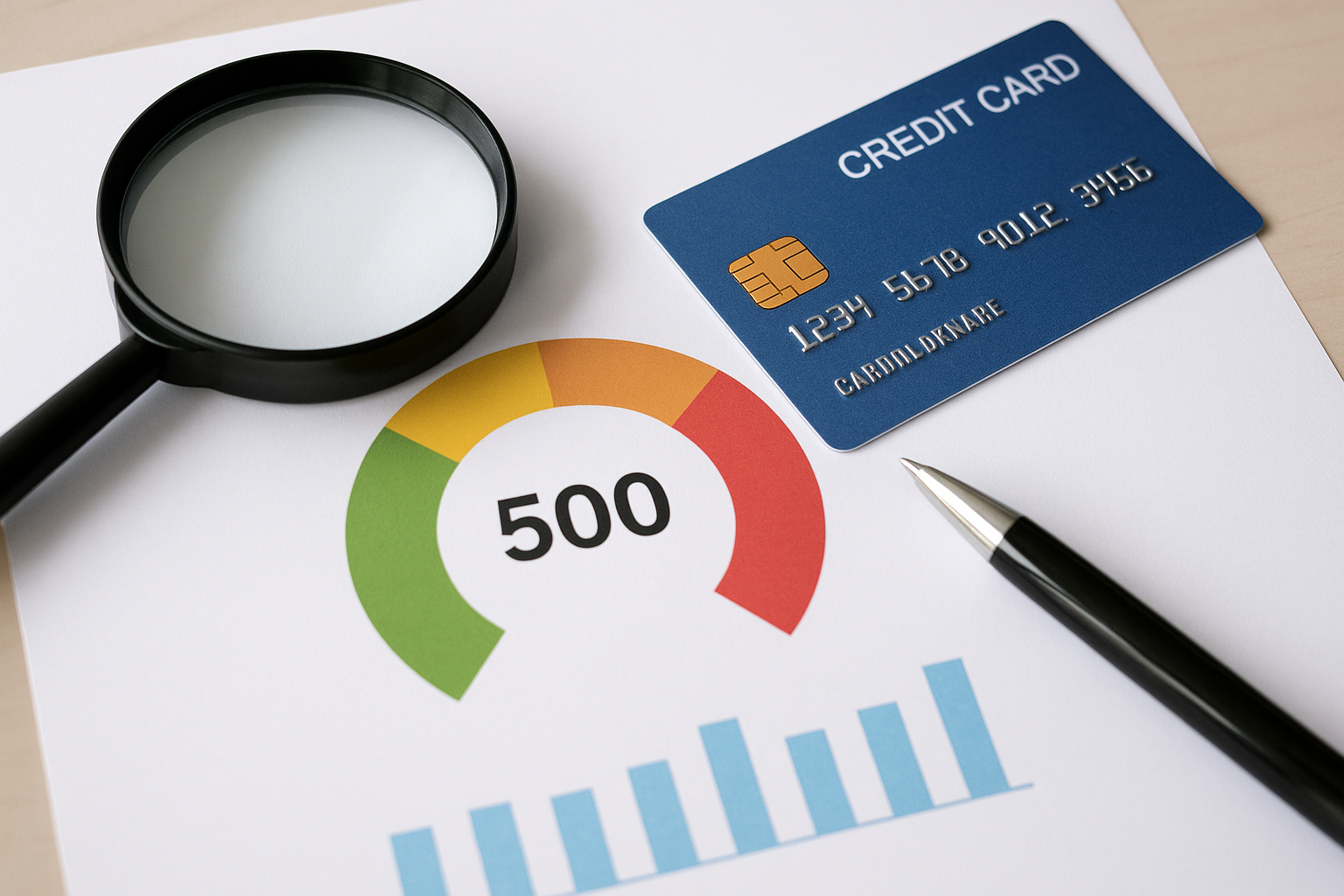
Understanding Credit Scores and Their Impact
When it comes to credit scores, a multitude of factors influence how your score is calculated. Scores typically range from 300 to 850, with 850 being near-perfect. A score of 500, as mentioned in your query, is considered poor according to most credit scoring models. This can have significant implications for your financial capabilities, including your ability to attain a credit card.
The main components influencing your credit score include payment history, amounts owed, length of credit history, new credit, and credit mix. Each of these factors plays a crucial role in shaping your credit profile. For instance, missing payments or high credit utilization can severely affect your credit score.
What a 500 Credit Score Means for Your Financial Health
A credit score of 500 might seem daunting, but it is critical to understand what it implies for your overall financial health. Typically, this score suggests to lenders that you may have had difficulties managing credit in the past. As a result, it might restrict the financial products available to you, or result in higher interest rates and less favorable terms.
Can You Get a Credit Card With a 500 Credit Score?
Achieving a credit card approval with a credit score of 500 is indeed challenging but not entirely impossible. While traditional credit cards might be out of reach, there are alternative products specifically designed to help individuals with lower credit scores.
Types of Credit Cards Available
- Secured Credit Cards:These cards are designed for individuals with poor or no credit history. They require a security deposit, typically equal to the credit limit. This deposit mitigates risk for the lender, making approval more likely.
- Subprime Credit Cards:These are specifically targeted at individuals with low credit scores. They often come with higher fees and interest rates. They can be a tool for credit rebuilding if used wisely and payments are made on time.
- Retail Store Credit Cards:Some retail stores offer credit cards that are easier to qualify for. However, be wary of their high APR rates. They are known for having relaxed credit score requirements and can provide a starting point for credit rebuilding.
Factors to Consider Before Applying
Before applying for a credit card with a 500 credit score, consider the following factors to avoid potentially harming your score further:
- Research and Compare: Look for cards that specifically cater to low credit by checking annual fees, interest rates, and approval odds.
- Utilize Pre-Qualification: Many lenders offer pre-qualification tools that provide a soft inquiry. This means it won't affect your credit score, allowing you to check your eligibility safely.
- Reading Terms: Ensure you understand the fees, penalties, and interest rates associated with any card you consider.
Rebuilding and Improving Your Credit Score
While it’s possible to obtain a credit card with a 500 credit score, your long-term goal should ideally be to improve your credit score. Improved credit would make it easier to qualify for better financial products in the future.
Steps to Improve Your Credit Score
- Reduce Credit Utilization Ratio: Aim to keep your credit utilization below 30% of your total credit limit.
- Make Timely Payments: Always pay your bills on time. Set up reminders or automatic payments to avoid missing a deadline.
- Consider Credit Counseling: Professional advice can provide a strategic approach to debt repayment and credit improvement.
- Regularly Check Credit Reports: Ensure there are no errors on your credit report by checking it regularly. If discrepancies exist, address them promptly with credit bureaus.
Embarking on a journey to improve your credit score will require time and patience. Yet, each step you take can result in more favorable credit options in the future.
For further education on credit scores and responsible credit card usage, consider reputable resources such as the Consumer Financial Protection Bureau or Annual Credit Report. These organizations provide unbiased, practical information to aid consumers in financial decision-making.