Exploring Foods That May Support Lowering Creatinine and Increasing Your GFR Naturally
Exploring dietary choices to support kidney health? Discover how certain foods may influence creatine levels and potentially enhance your Glomerular Filtration Rate (GFR). While no diet guarantees results, understanding nutrientrich options can be a step towards better wellness.
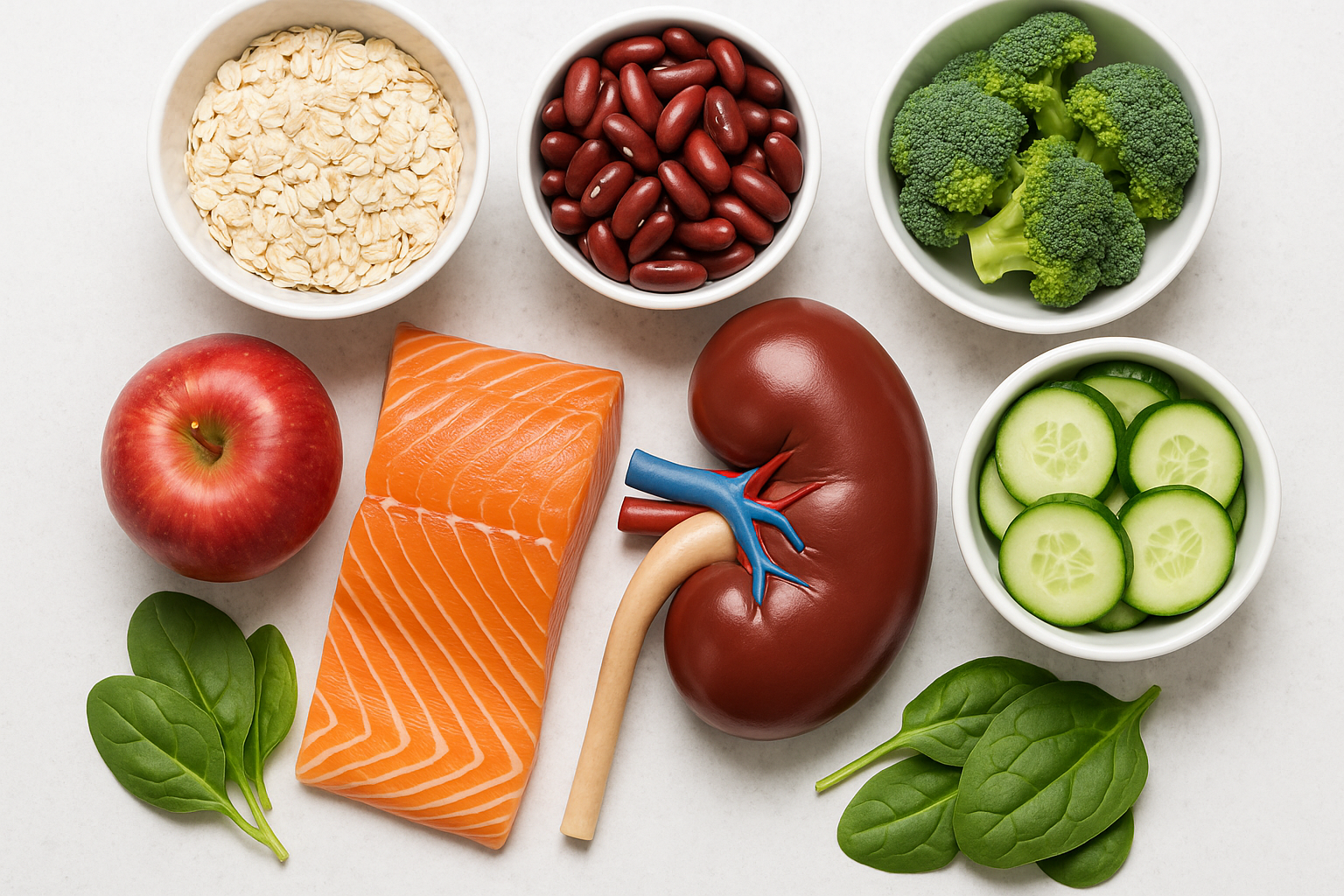
Understanding Creatinine and GFR: The Basics
Before diving into the foods that can lower creatinine levels and increase Glomerular Filtration Rate (GFR), it's essential to understand what these terms mean and why they are vital for kidney health.
What is Creatinine?
Creatinine is a waste product generated from muscle metabolism. It is filtered out of the blood by the kidneys and excreted in urine. High levels of creatinine in the blood can indicate potential kidney dysfunction, as it signifies that the kidneys are not filtering waste effectively.
What is GFR?
The Glomerular Filtration Rate (GFR) is a test used to check how well the kidneys are functioning. It estimates how much blood is filtered by the glomeruli, which are tiny filters in the kidneys, each minute. A lower GFR indicates reduced kidney function, leading to potential health issues if not managed properly.
Foods That Can Lower Creatinine Levels
Diet plays a crucial role in maintaining kidney health. Here are specific foods that can help lower creatinine levels:
- Fiber-rich Foods: Incorporating foods high in fiber, such as fruits, vegetables, and whole grains, can enhance kidney function. Fiber helps in reducing toxins and other waste products in the body, which indirectly aids in lowering creatinine levels.
- Vegetables with Low Potassium: Vegetables like cabbage, carrots, and cauliflower have lower potassium levels, making them kidney-friendly. High potassium can exacerbate kidney issues, so managing its intake is essential.
- Herbal Teas: Certain herbal teas like chamomile or nettle leaf tea can have a detoxifying effect on the kidney. They act as natural diuretics, which can increase urine flow and help eliminate toxins, including creatinine.
Real-world Dietary Adjustments
Consider a balanced diet incorporating these foods into daily meals. For instance, a lunch consisting of a mixed vegetable salad with a whole grain bun can be both satiating and beneficial for lowering creatinine.
Increasing Your GFR with the Right Diet
Just as certain foods can lower creatinine, others can help improve your kidney's filtration ability, hence increasing GFR:
- Omega-3 Fatty Acids: Found in fatty fish like salmon and flaxseeds, omega-3 fatty acids have anti-inflammatory properties. They help reduce kidney inflammation, potentially improving kidney function and GFR.
- Lean Proteins: Instead of red meat, choose lean proteins like chicken, fish, or tofu, which are easier on the kidneys and help maintain appropriate GFR levels.
- Fruits Low in Sugar: Controlling sugar intake can prevent further strain on the kidneys. Berries, apples, and pears are excellent choices for maintaining blood sugar levels while supporting kidney health.
The Role of Lifestyle in Kidney Health
Besides dietary adjustments, regular exercise and hydration play pivotal roles in improving GFR. Engaging in moderate physical activity can enhance cardiovascular health, indirectly benefiting kidney function.
Scientific Insights and Recent Research
Current studies continue to shed light on dietary impacts on kidney health. For instance, a 2026 study published in the "Journal of Renal Nutrition" highlighted the importance of plant-based diets in reducing creatinine levels and improving GFR. Researchers conducted a trial involving participants with early-stage chronic kidney disease, noting significant improvements in kidney function among those following a plant-rich diet.
Furthermore, a 2026 report from the "International Journal of Nephrology" explored the effects of dietary omega-3 fatty acids on GFR improvements. The study concluded that patients consuming omega-3s experienced a positive change in GFR levels over six months.
Journal of Renal Nutrition, 2026 International Journal of Nephrology, 2026
Conclusion: Taking a Holistic Approach to Kidney Health
Maintaining optimal kidney health is a multifaceted process that involves dietary modifications, lifestyle changes, and regular medical check-ups. By focusing on foods that lower creatinine and enhance GFR, you are taking proactive steps toward preventing kidney-related diseases and ensuring long-term well-being.
Always consult with a healthcare professional before making significant dietary changes, especially for those diagnosed with kidney disease. Personalized advice from a dietitian or nephrologist can further tailor these recommendations to suit individual health needs.
References