Exploring Natural Alternatives to Ozempic for Weight Loss: What You Need to Know
Discover the potential of natural alternatives to Ozempic for weight loss. Explore how lifestyle changes and certain dietary supplements can contribute to your weight management journey. While no single solution provides guaranteed results, incorporating healthy habits might enhance your progress.
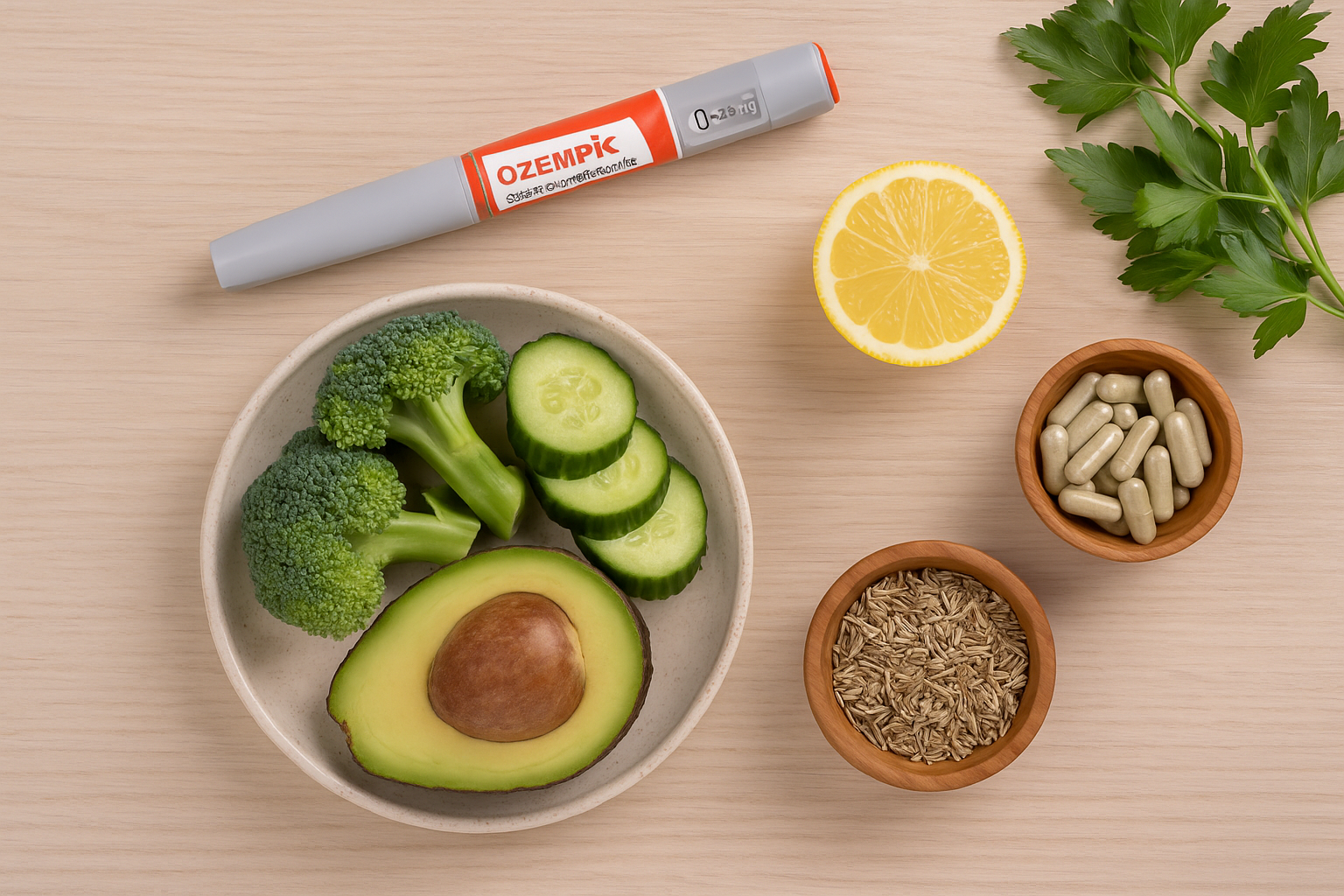
Understanding Weight Loss Medications: The Role of Ozempic
Ozempic, a brand name for the medication semaglutide, has gained substantial attention in the realm of weight loss. Originally designed to treat Type 2 diabetes, it has been observed to significantly contribute to weight reduction. But how exactly does it work? By mimicking a hormone called GLP-1, Ozempic reduces appetite and delays gastric emptying, which can result in a decrease in calorie intake.
With these impressive results, it's no wonder people are curious about alternatives, especially those who are interested in more natural approaches. The focus then turns to identifying natural substitutes that could offer similar benefits without synthetic intervention.
Exploring Natural Alternatives to Ozempic
Dietary Changes and Natural Supplements
One of the foremost natural strategies is turning towards diet and adequate supplementation. Incorporating foods and supplements that mimic the effects of GLP-1 may aid in similar appetite suppression and increased metabolic outcomes.
- High-Fiber Diets: Diets rich in fiber have been linked to increased satiety and reduced calorie intake. Foods like beans, lentils, and whole grains can naturally sustain fullness.
- Protein-Rich Foods: Consuming high-protein foods such as fish, poultry, tofu, and legumes not only supports muscle health but also plays a crucial role in reducing hunger levels.
- Probiotics: Studies suggest that probiotics can influence weight loss. Certain strains, including Lactobacillus gasseri, have been shown to aid in fat loss.
- Apple Cider Vinegar: Often recommended for its potential ability to enhance metabolism and provide appetite control, vinegar's acetic acid could contribute to weight management.
Behavioral Modifications and Lifestyle Practices
While dietary interventions are crucial, behavioral changes are equally important. Developing a sustainable lifestyle can foster long-term weight management success.
- Mindful Eating: Paying attention to hunger cues and focusing on the experience of eating can prevent overeating and enhance meal satisfaction.
- Regular Physical Activity: Exercise is imperative not just for burning calories but for boosting overall mood and energy. Activities like walking, cycling, or yoga are excellent starting points.
- Sleep Quality: Poor sleep can wreak havoc on hormones that regulate hunger. Ensuring 7-9 hours of quality sleep can balance these hormones effectively.
Herbal and Plant-Based Solutions
Herbs and plant-based remedies have been used for centuries to support weight loss goals. In 2026, some have gained attention for their potential to substitute synthetic options like Ozempic.
- Green Tea Extract: Known for its metabolism-boosting properties, green tea extract has shown promise in enhancing fat oxidation and calorie burn.
- Ginger: This spice is credited with anti-inflammatory and appetite-controlling effects, potentially assisting in weight loss when incorporated regularly into diets.
- Garcinia Cambogia: Derived from a tropical fruit, this extract has been popularized for its potential to block fat production due to the presence of hydroxycitric acid (HCA).
Evaluating the Effectiveness and Safety of Natural Alternatives
Determining the effectiveness and safety of natural alternatives requires careful assessment. While many natural options are available, they may not always replicate the precise effects of pharmaceutical interventions like Ozempic. It is essential to consider individual health conditions and consult healthcare professionals before beginning any natural supplement or significant lifestyle change.
Furthermore, while natural approaches are appealing, integrating them with scientific evidence is vital. Studies published in 2026 research journals have emphasized the need for continuous research into understanding the mechanisms through which these natural solutions operate.
A Holistic Approach to Weight Loss
Ultimately, a holistic approach that combines dietary adjustments, lifestyle practices, and natural supplements may offer a sustainable weight loss solution. While Ozempic represents a significant advancement in medical science, it is not the sole option in the journey towards achieving a healthier weight.
As we move towards a more health-conscious society, the focus remains on balancing natural strategies with proven medical therapies to achieve the best possible outcomes. Acknowledging diverse individual needs and preferences ensures a more personalized and effective approach to weight management in 2026 and beyond.
For those interested in exploring natural weight loss options, trusted health resources can offer further insights and guidance on making informed choices.