Exploring Oral Medications: A Viable Option for Diabetes Management?
Curious about oral options for diabetes medication? Discover innovative treatments in the evolving world of diabetes care. While no single approach fits everyone, exploring oral medications can offer convenience and potentially enhance blood sugar management.
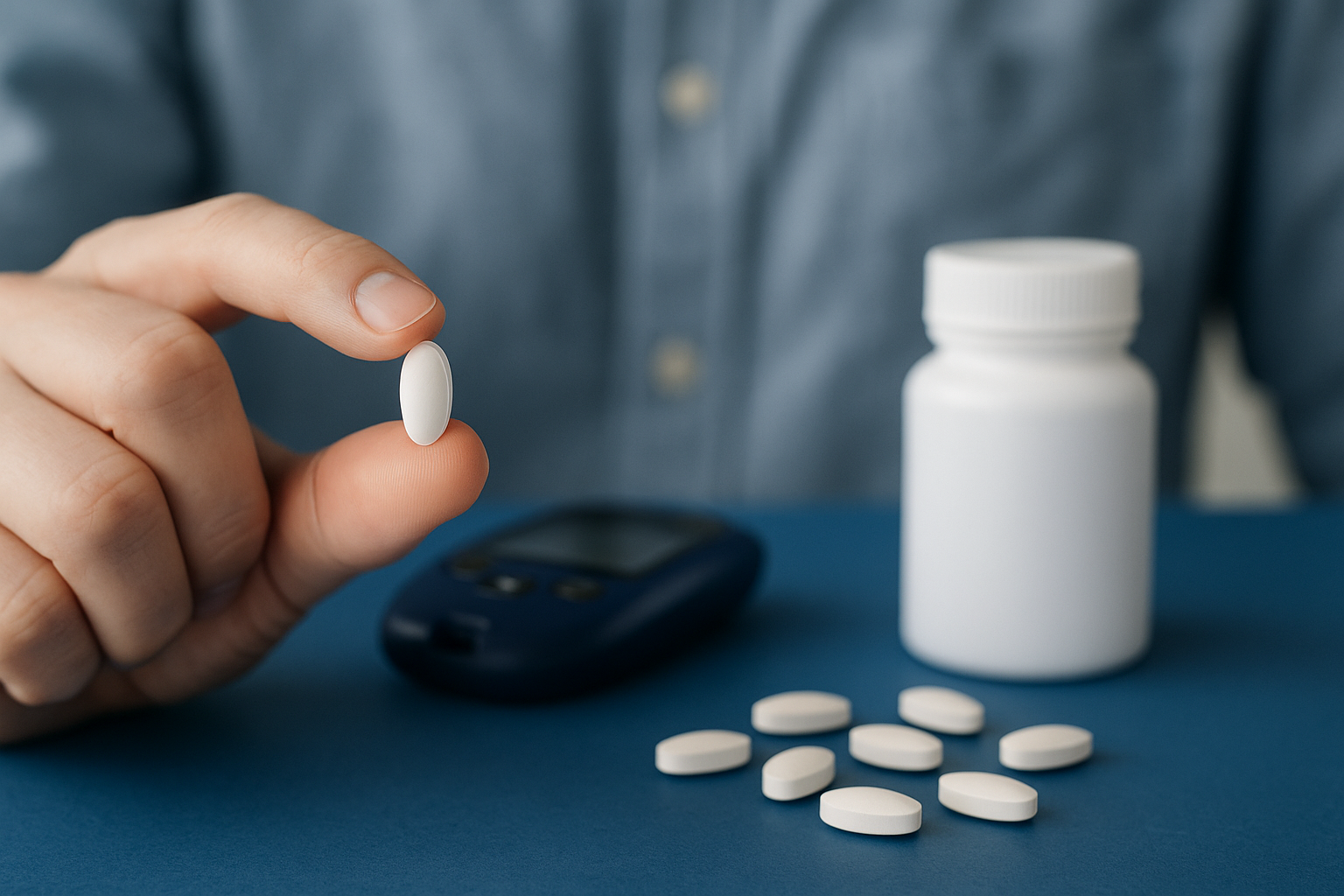
Understanding Oral Diabetes Medications
When managing diabetes, medication plays a crucial role alongside diet, exercise, and lifestyle changes. A common question many individuals have is: "Is there an oral option for diabetes medication?" The answer is yes. Oral medications are widely used in diabetes management, particularly for Type 2 diabetes, and some forms for Type 1. This article will provide insights into the types of oral diabetes medications available, how they function, their benefits, and considerations for use.
Types of Oral Diabetes Medications
Oral diabetes medications are primarily used for managing blood sugar levels. These medications help the body either increase insulin production, utilize insulin more effectively, or reduce glucose production. Here are some of the main types:
- Metformin: Often the first prescribed medication, it works by reducing glucose production in the liver and improving insulin sensitivity.
- Sulfonylureas: These help the pancreas produce more insulin. Examples include glipizide and glyburide.
- DPP-4 Inhibitors: These help increase insulin production and decrease glucose production when blood sugar is high. Examples include sitagliptin and saxagliptin.
- SGLT2 Inhibitors: They prevent the kidneys from reabsorbing glucose back into the blood. Examples include canagliflozin and dapagliflozin.
- Thiazolidinediones: These increase insulin sensitivity. Examples include pioglitazone and rosiglitazone.
- Meglitinides: They stimulate the pancreas to release more insulin. Examples include repaglinide and nateglinide.
How Oral Diabetes Medications Work
Each type of oral diabetes medication works in a unique way to control blood sugar levels. Understanding these mechanisms is important for optimal management:
- Increase Insulin Production: Some medications stimulate the pancreas to produce more insulin, helping the body better manage glucose levels.
- Improve Insulin Sensitivity: Drugs like metformin and thiazolidinediones help the body's cells become more sensitive to insulin, allowing better glucose absorption.
- Reduce Glucose Production: Medications such as metformin can reduce the liver's production of glucose, lowering blood sugar levels.
- Inhibit Glucose Reabsorption: SGLT2 inhibitors work within the kidneys to block the reabsorption of glucose, facilitating its removal through urine.
Choosing the Right Medication
The choice of medication depends on various factors, including the individual's specific health needs, other medical conditions, lifestyle, and potential side effects. Physicians often consider the following:
- Effectiveness: How well the medication controls blood glucose levels.
- Side Effects: Possible adverse effects, such as hypoglycemia, weight gain, or gastrointestinal issues.
- Cost: Medication affordability and insurance coverage.
- Convenience: Frequency and method of administration.
- Overall Health: Existing health conditions, such as heart disease or kidney health, which may influence medication choice.
Benefits of Oral Diabetes Medications
Oral medications offer several advantages, making them a popular choice for diabetes management:
- Ease of Use: Oral medications are non-invasive compared to insulin injections.
- Wide Range of Options: Multiple classes of drugs allow for tailored treatment plans.
- Combination Therapy: Can be used in combination with other medications, including insulin, for enhanced management.
Furthermore, the convenience of taking a pill can significantly improve compliance, especially for those who have difficulty with injections.
Considerations and Precautions
While oral diabetes medications offer benefits, there are important considerations to keep in mind:
- Regular Monitoring: Regular blood sugar testing is essential to evaluate effectiveness and make necessary adjustments.
- Potential Interactions: Inform your healthcare provider about all medications you take to avoid harmful interactions.
- Lifestyle Factors: Diet and physical activity still play a critical role in managing diabetes alongside medication.
- Side Effects: Monitor for and report any side effects to your healthcare provider.
Recent Advances and Research
Research in 2026 continues to reveal new insights and improvements in oral diabetes medications. Studies focus on optimizing effectiveness while minimizing side effects. According to [a 2026 study published in the Journal of Diabetes Research](https://www.journalofdiabetesresearch.com), recent advancements in SGLT2 inhibitors have shown promise in reducing cardiovascular events in Type 2 diabetes patients. Furthermore, [a comprehensive review in the 2026 issue of Diabetes Care](https://care.diabetesjournals.org) highlights ongoing efforts to develop more personalized medication regimens.
Conclusion
Oral diabetes medications play a critical role in managing diabetes, particularly Type 2. With a variety of options available, they offer a convenient and effective means to control blood sugar levels when integrated with a comprehensive diabetes management plan. As research continues to evolve, these medications become increasingly advanced, providing better outcomes for individuals living with diabetes.