Exploring Safe and Effective Ways to Rebalance Your Vaginal Microbiome
Explore treatment options to restore vaginal microbiome health and balance. Discover natural approaches and medical advancements designed to support your vaginal wellness without overpromising.
Understanding the Vaginal Microbiome
The vaginal microbiome is a complex community of microorganisms that play a crucial role in maintaining women's health. This highly specialized ecosystem includes beneficial bacteria, primarily Lactobacillus species, that help protect against infections and maintain optimal vaginal pH levels. Keeping this ecosystem balanced is essential for preventing various health issues, such as bacterial vaginosis, yeast infections, and urinary tract infections.
Recent studies emphasize the prevalence of these conditions, with estimates suggesting that almost 30% of women experience bacterial vaginosis at some point in their lives (Johns Hopkins Medicine, 2026).
Why Does the Vaginal Microbiome Get Disrupted?
Common Causes of Imbalance
The disruption of the vaginal microbiome can result from various factors, including:
- Antibiotic Use: While antibiotics are effective at treating bacterial infections, they can also kill beneficial bacteria, leading to an imbalance.
- Hormonal Fluctuations: Changes in hormone levels during menstruation, pregnancy, or menopause can impact the vaginal microbiota.
- Douching and Personal Care Products: These can alter the natural balance by removing beneficial bacteria and introducing irritants.
- Unprotected Intercourse: Sexual activity, especially with new or multiple partners, can introduce new bacteria, affecting the existing microbiome.
Treatment Options to Restore Vaginal Microbiome
Probiotics: The Microbiome's Best Friend
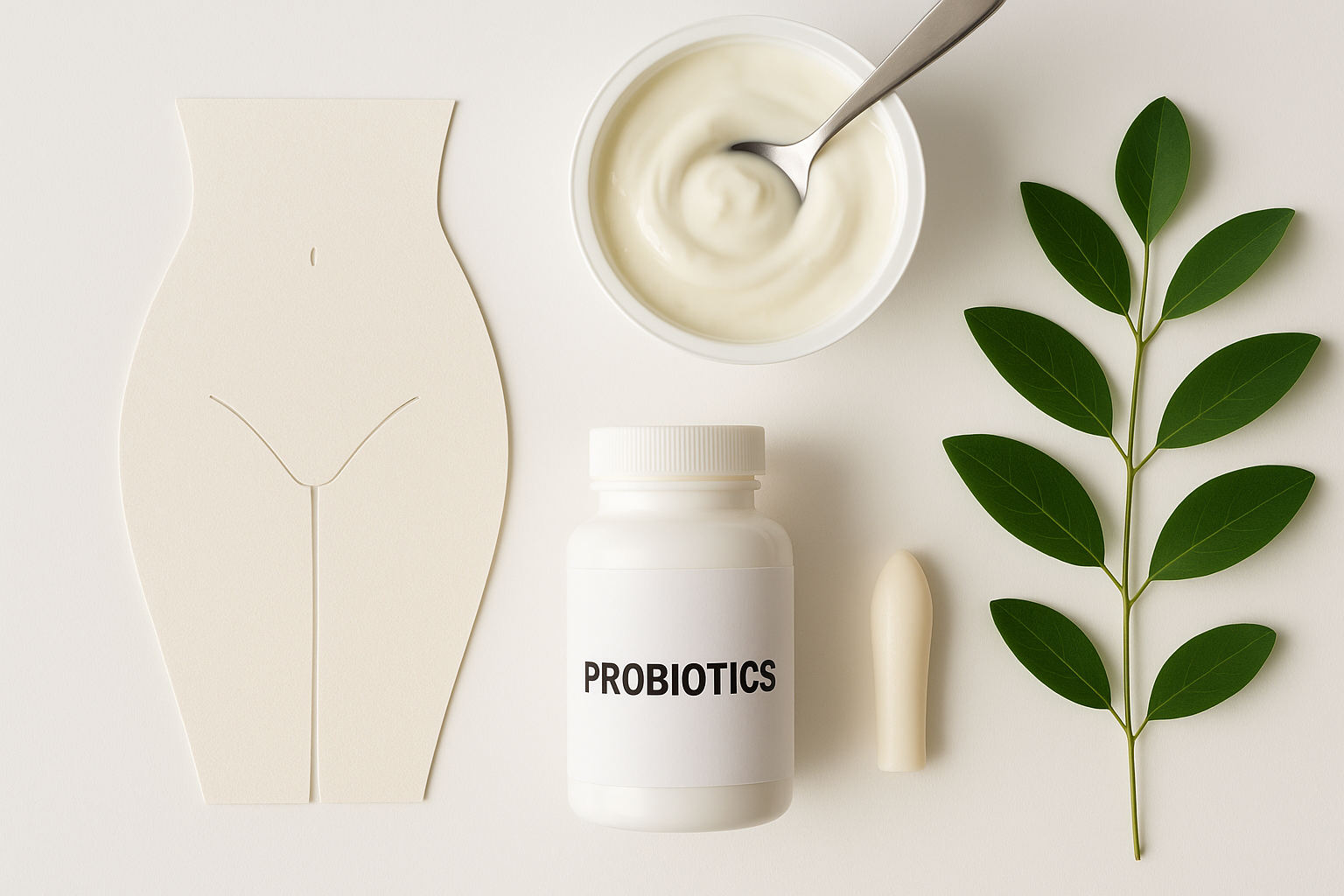
Probiotics have emerged as a crucial treatment option to restore the vaginal microbiome. These beneficial bacteria supplements, particularly strains like Lactobacillus rhamnosus and Lactobacillus reuteri, can help replenish and maintain a balanced microbiota. A 2026 study in the Journal of Women's Health indicated that regular intake of probiotics can reduce the recurrence rate of bacterial vaginosis by up to 30%.
Probiotics are available in various forms, including capsules, yogurts, and probiotic drinks. Selecting products with high colony-forming units and verified strains can maximize their effectiveness.
Prebiotics: Nourishing Your Microbes
Prebiotics are non-digestible fibers that serve as food for beneficial bacteria. Incorporating prebiotic-rich foods such as asparagus, garlic, and bananas into your diet can support the growth of healthy bacteria. Research published in the Nutritional Microbiology Review in 2026 shows that combining prebiotics with probiotics—known as synbiotics—enhances the survival and colonization of probiotics in the vaginal environment.
Dietary and Lifestyle Adjustments
Dietary changes can have a significant impact on the vaginal microbiome. A balanced diet rich in fruits, vegetables, and whole grains promotes overall health, including the health of your microbiota. Limiting sugar intake, which can fuel yeast overgrowth, is particularly beneficial.
Additionally, avoiding douching and choosing unscented, mild personal care products can protect the natural balance of your vaginal ecosystem.
Consulting Healthcare Professionals
Consulting a healthcare professional, such as a gynecologist, is crucial when experiencing symptoms of a disrupted vaginal microbiome. They can provide tailored advice and treatment options, including prescribing targeted medications or recommending specific probiotic brands that are clinically proven to be effective.
Gynecologists can also perform tests to accurately diagnose any underlying conditions ensuring the most appropriate and effective treatment plan.
Promising Research and Future Directions
The field of vaginal microbiome research continues to evolve, with promising studies exploring new methods to enhance women's health. Recent advancements in genomic sequencing are providing deeper insights into the microbiome's complexity, potentially paving the way for personalized treatments tailored to individuals' unique microbial compositions.
Furthermore, ongoing studies are investigating the role of microbiome transplants and innovative probiotics to develop more accurate interventions. These cutting-edge treatments hold the potential to significantly reduce the prevalence of microbiome-related conditions.
Conclusion
Restoring the vaginal microbiome is vital for maintaining women's health and preventing recurrent infections. Through effective use of probiotics, prebiotics, dietary adjustments, and consultation with healthcare professionals, women can take proactive steps towards achieving a balanced and healthy vaginal environment. Staying informed about the latest research and advancements in microbiome therapies can ensure continued health and well-being.
For further information, resources such as the Centers for Disease Control and Prevention (CDC) and National Institute of Child Health and Human Development (NICHD) offer valuable insights.