How to Access Eliquis Patient Assistance Programs for Affordable Care
Discover how Eliquis patient assistance programs can help eligible individuals afford their medication. These programs offer support to those who qualify, ensuring that financial barriers don’t hinder access to essential treatment.
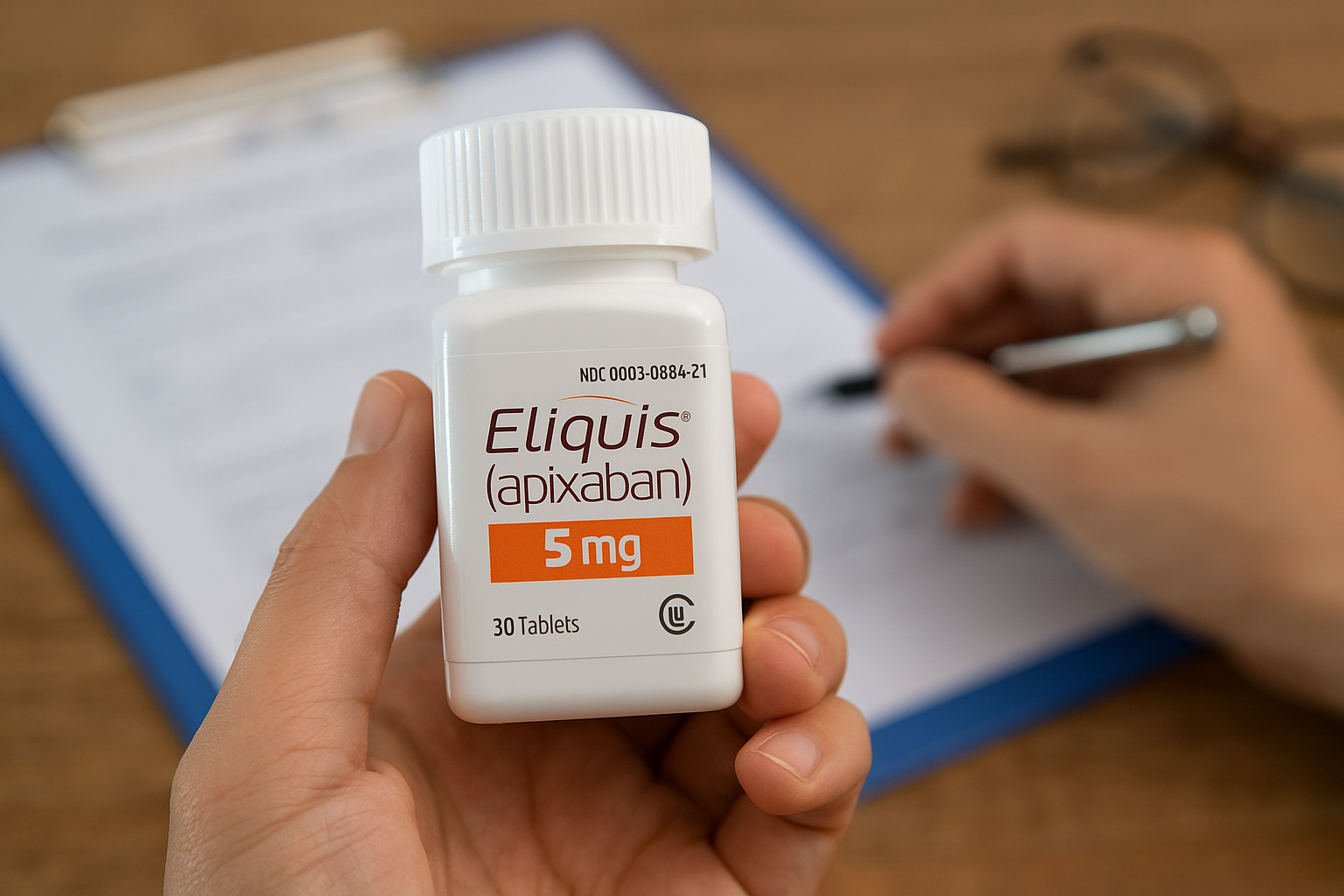
Understanding Eliquis Patient Assistance Programs
For individuals prescribed Eliquis, a common anticoagulant used to prevent blood clots, understanding patient assistance programs can be crucial. These programs help reduce the financial burden associated with high prescription costs. Let's explore the ins and outs of these programs and see how they might benefit you.
What Is Eliquis?
Eliquis, the brand name for the drug apixaban, is widely used to prevent stroke and systemic embolism in patients with nonvalvular atrial fibrillation. It's also prescribed for the treatment and prevention of deep vein thrombosis (DVT) and pulmonary embolism (PE). However, like many specialized medications, Eliquis can be quite costly, which is where patient assistance programs come into play.
What Are Patient Assistance Programs?
Patient assistance programs (PAPs) are offered by pharmaceutical companies, nonprofit organizations, and sometimes government entities to help uninsured or underinsured patients afford their medications. These programs may provide medications at no cost or at reduced prices.
- Eligibility often depends on income level and insurance status.
- Some programs might require documentation, such as tax returns or insurance statements.
Types of Eliquis Assistance Programs
Several options are available for patients seeking financial assistance for Eliquis:
- Manufacturer's Assistance Programs: Bristol-Myers Squibb, the company behind Eliquis, offers a PAP for eligible individuals.
- Co-pay Cards: These cards help reduce the co-payment for Eliquis prescriptions, making it more affordable for those with insurance.
- Nonprofit Assistance: Organizations like the Patient Advocate Foundation and NeedyMeds might assist with costs.
Eligibility Criteria
While specific criteria vary by program, common requirements include:
- Proof of financial need, often determined by income level relative to the federal poverty line.
- Residency in the U.S. or Puerto Rico may be required for some programs.
- Lack of sufficient insurance coverage for prescribed therapy.
How to Apply
Applying for a PAP involves several steps. Here’s a guide to help you get started:
- Contact the program provider directly or visit their website to download application forms.
- Gather necessary documentation, which could include proof of income or a doctor’s prescription.
- Fill out the application thoroughly and submit it along with required documents.
- Follow up with the provider to check on your application status.
Case Study: John’s Experience with an Eliquis Assistance Program
Consider John, a retiree with atrial fibrillation who was prescribed Eliquis. Upon discovering the medication's high cost, he applied for the Bristol-Myers Squibb Patient Assistance Foundation program. After determining his eligibility based on income and insurance coverage, John was able to receive his medication at a significantly reduced cost, allowing him to focus on his health rather than his finances.
Challenges and Considerations
While PAPs provide much-needed relief, there can be challenges, such as:
- Navigating application processes, which can be time-consuming and require detailed information.
- Periodic reapplication may be necessary to continue receiving benefits.
- Availability might be limited by annual budgets or changes in program policies.
Recent Statistics and Trends
According to recent data from the National Health Council, approximately 133 million Americans, nearly half of the U.S. population, have at least one chronic disease, and the rising costs of medication remain a significant barrier. The trend towards more accessible patient assistance programs ensures that essential medications like Eliquis remain within reach for those in need.
For more information on PAPs and to explore your options, visit the RxAssist and NeedyMeds websites, which provide comprehensive databases of assistance options.
Conclusion
Eliquis Patient Assistance Programs represent a vital lifeline for patients requiring anticoagulant therapy but struggling with the financial demands. By understanding available options and eligibility requirements, patients can access life-saving medications while minimizing their financial burden.