How to Find and Buy Cars from Police Impound Auctions
Looking for a budgetfriendly way to get your next vehicle? Discover the secrets to finding great deals on police impound cars. These vehicles often sell at auctions for far less than their market value, making them a savvy choice for costconscious buyers.
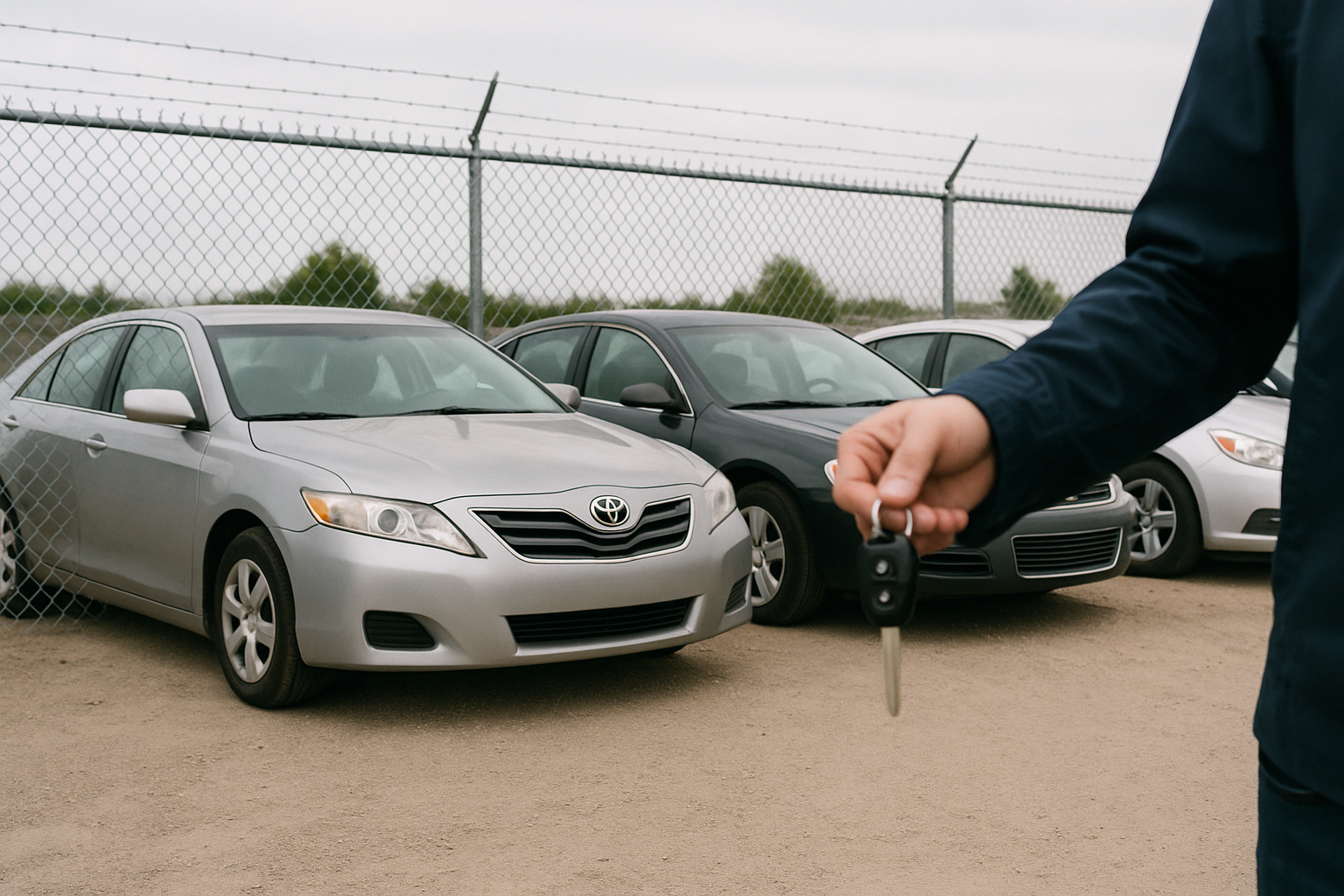
Understanding Police Impound Cars
Police impound cars are vehicles that have been seized by law enforcement for various reasons such as illegal activities, outstanding fines, or ownership disputes. Once these vehicles are held in an impound lot, they may be auctioned off to the public if they remain unclaimed for a period of time. Purchasing a police impound car can be a cost-effective way to buy a vehicle, provided you understand the process and potential risks involved.
Why Consider Buying an Impound Car?
Buying a police impound car can be an economical and interesting opportunity in the used car market. Here are several reasons why these vehicles might appeal to buyers:
- Potential for Savings: Impound cars are often sold at auction for much less than their market value, which can make them a great bargain.
- Diverse Selection: Impound auctions can feature a diverse array of vehicles, from luxury cars to everyday commuter vehicles.
- Opportunity for Investment: For mechanically inclined individuals or those in the car resale business, impound cars can sometimes be refurbished and sold for a profit.
Although the financial incentives can be enticing, it's important to weigh these against possible challenges, including the risk of hidden damages or insufficient vehicle history information.
Key Steps in Buying Police Impound Cars
Step 1: Research Potential Vehicles
Conducting thorough research is crucial before purchasing an impound car. Begin by identifying auctions near you and checking their listings. Websites and local government pages advertise upcoming auction dates and the types of vehicles available. It's advisable to get a general understanding of the vehicles of interest, possible repairs needed, and resale values.
Step 2: Inspect the Vehicle
Physical inspection is a vital step in the buying process. Most auctions will allow a preview period so potential buyers can examine the cars. During inspection, check for any major damages or signs of neglect. If possible, take someone experienced in car maintenance with you for expert advice.
Step 3: Participate in the Auction
After listing and inspecting potential cars, you're ready to participate in the auction. Auctions can be intense and fast-paced, so it's important to have a clear budget and adhere to it. Some police auctions allow online bidding, which can be more convenient and less pressure-filled compared to in-person auctions.
Step 4: Completing the Purchase
If you win the bid, you'll be required to settle the payment immediately or within a short period, typically within 24-48 hours. Ensure you understand the terms, including any additional fees or requirements for transferring the vehicle's ownership into your name. Be prepared for possible extra costs for repairs or replacements once you take the car home.
Potential Risks and Considerations
While the potential savings are a significant draw, buying from an impound auction does come with risks:
- No Test Drives: Most auctions do not allow for test drives, so potential mechanical issues might go unnoticed until after purchase.
- Sold As-is: Vehicles are sold in current condition with no warranties, meaning any defects or issues are the buyer's responsibility.
- Hidden Problems: Impound cars might have been through neglect or poor maintenance, so factor in potential costs for repairs.
- Title Issues: Some vehicles may have complex title histories which could complicate transfers and insurance.
To mitigate these risks, it's paramount to set a budget that accounts for these uncertainties, ensuring you don't overspend beyond the initial purchase price.
Where to Find Police Impound Cars Auctions?
Local Government and Police Department Websites
Generally, the first place to check for auctions is your local police department or government website. Many cities and counties across the U.S. list auction details, including dates and available vehicles, on their official pages.
Online Auction Platforms
With the digital age transforming how auctions are conducted, numerous online platforms specialize in government and police auctions. Websites like GovDeals (govdeals.com) and Public Surplus (publicsurplus.com) list impound cars and other seized goods.
Auction Houses
Some local and regional auction houses manage police car auctions either as dedicated events or along with other asset auctions. Check with local auction professionals to hear about upcoming auctions.
Conclusion
Buying a vehicle from a police impound auction can be a rewarding experience if approached with diligence and awareness. By understanding the auction process, researching vehicles extensively, and considering the potential risks, you can find vehicles at great prices while mitigating common pitfalls.
For more information, consult resources such as the Federal Trade Commission's guidance on car buying, or CarGurus for updated statistics and tips on used car purchases in 2026.
With careful planning, purchasing a police impound car can not only save money but also serve as an entry point into a segment of the secondary car market full of unique opportunities.