Installing Luxury Vinyl Tile Over Hardwood: What You Need to Know
Thinking about refreshing your home's look? Discover whether you can install luxury vinyl tile (LVT) directly over old hardwood floors. We discuss the key considerations for using LVT as an overlay, what to watch out for, and how it can impact your flooring.
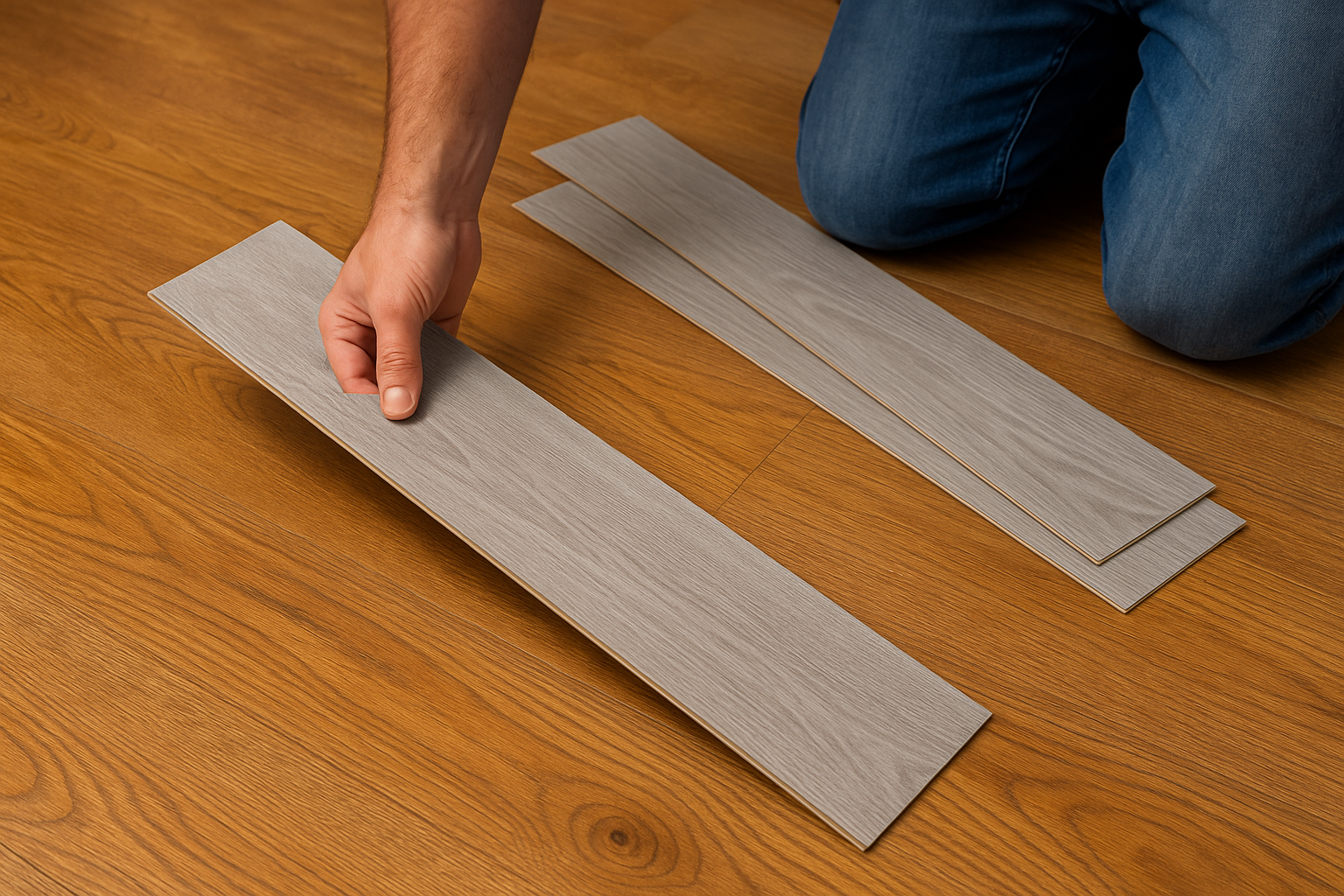
Can You Install Luxury Vinyl Tile (LVT) Directly Over Old Hardwood Floors?
When considering a flooring renovation, one common question is whether installing luxury vinyl tile (LVT) directly over existing hardwood floors is feasible. This query is pertinent for homeowners wishing to upgrade without dealing with the hassle of significant demolition. Let's explore this topic in depth, weighing the pros and cons, examining the necessary preparations, and evaluating real-world scenarios to provide a comprehensive understanding.
Understanding Luxury Vinyl Tile (LVT)
Luxury Vinyl Tile (LVT) has become popular due to its durability, aesthetic appeal, and ease of maintenance. LVT mimics the appearance of natural materials like stone or wood but offers enhanced resistance to wear and environmental changes. This type of flooring is typically resilient, water-resistant, and can be a cost-effective alternative for homeowners looking to update their living spaces.
The Benefits of Installing LVT Over Hardwood
- Savings in Time and Cost: By installing LVT over existing hardwood, you can save both time and money. The labor and cost involved in removing old flooring can be significant. LVT installation can often circumvent these expenses.
- Durability: Unlike hardwood, which can scratch or be damaged by moisture, LVT is designed to withstand daily wear and tear, along with moisture exposure.
- Versatility: LVT can mimic the appearance of various natural materials, providing aesthetic flexibility to match the desired look of your home.
Considerations Before Installation
Before considering installing LVT over hardwood, there are critical aspects to evaluate:
- Subfloor Condition: The underlying hardwood should be in good condition without major warping or decay, as these issues can affect the LVT’s performance.
- Moisture Concerns: The space must be dry and free of moisture issues to prevent LVT degradation over time.
- Level Surface: A level surface is crucial for proper installation. If the hardwood is uneven, it may require sanding or additional padding to create an acceptable base for the LVT.
It is essential to perform a thorough inspection or consult with a flooring expert to evaluate these factors adequately.
The Installation Process
Installing LVT over hardwood can generally be carried out using a floating floor method, where the tiles click and lock over the subfloor without permanent adhesives. Here's a basic step-by-step guide:
- Preparation: Clean the existing hardwood thoroughly, removing all dust, debris, and oils.
- Underlayment: Consider using an underlayment to provide additional soundproofing and cushioning, which can also help correct minor surface imperfections.
- Installation: Begin at a wall, laying the first row of LVT planks and using spacers for consistent gaps. Click the planks together according to the manufacturer's instructions, and continue across the room.
- Finish: Trim the edges and install any necessary thresholds or transitions for a polished look.
Real-World Example and Cost Analysis
Take, for example, a 2026 renovation project in Lincoln, Nebraska, where a homeowner chose to cover 500 square feet of moderately aged hardwood with LVT. By opting against hardwood removal, the homeowner reduced their renovation costs by approximately 30%, spending an average of $5 per square foot on materials and professional installation.
According to Flooring Report 2026, the LVT market has grown by 12% this year, reflecting its steady rise in popularity. This trend underscores growing consumer confidence in LVT's performance and longevity.
Potential Challenges and Solutions
While LVT installation over hardwood is generally straightforward, challenges may arise:
- Noise Levels: As LVT can amplify sound transmitted through floors, consider installing additional sound barriers or underlayment for insulation.
- Matching Heights: When transitioning between rooms, ensure the LVT does not create a height discrepancy that could pose a tripping hazard.
If you're considering this installation, recommendations from flooring professionals can provide invaluable guidance. Regular industry insights can be found via reputable sources such as Home Flooring Pros.
Conclusion
Installing LVT directly over old hardwood floors is a viable and often advantageous solution for home renovation projects. By carefully considering the condition of the existing wood flooring, effectively preparing the surface, and following best installation practices, homeowners can enjoy a modern, durable floor without extensive groundwork. As LVT technology and popularity continue to rise in 2026, it stands as a compelling option for those seeking to merge style with durability.
For any specific questions or personalized advice, consulting with flooring professionals can ensure a high-quality result tailored to your unique home environment.