Maximizing Your Savings: A 2026 Self-Pay Guide for Eliquis at CVS Pharmacy
Discover essential tips for purchasing Eliquis at CVS Pharmacy in 2026 without insurance. This guide explores self-pay options, cost-saving strategies, and alternative assistance programs to help manage expenses while getting your prescription at CVS Pharmacy.
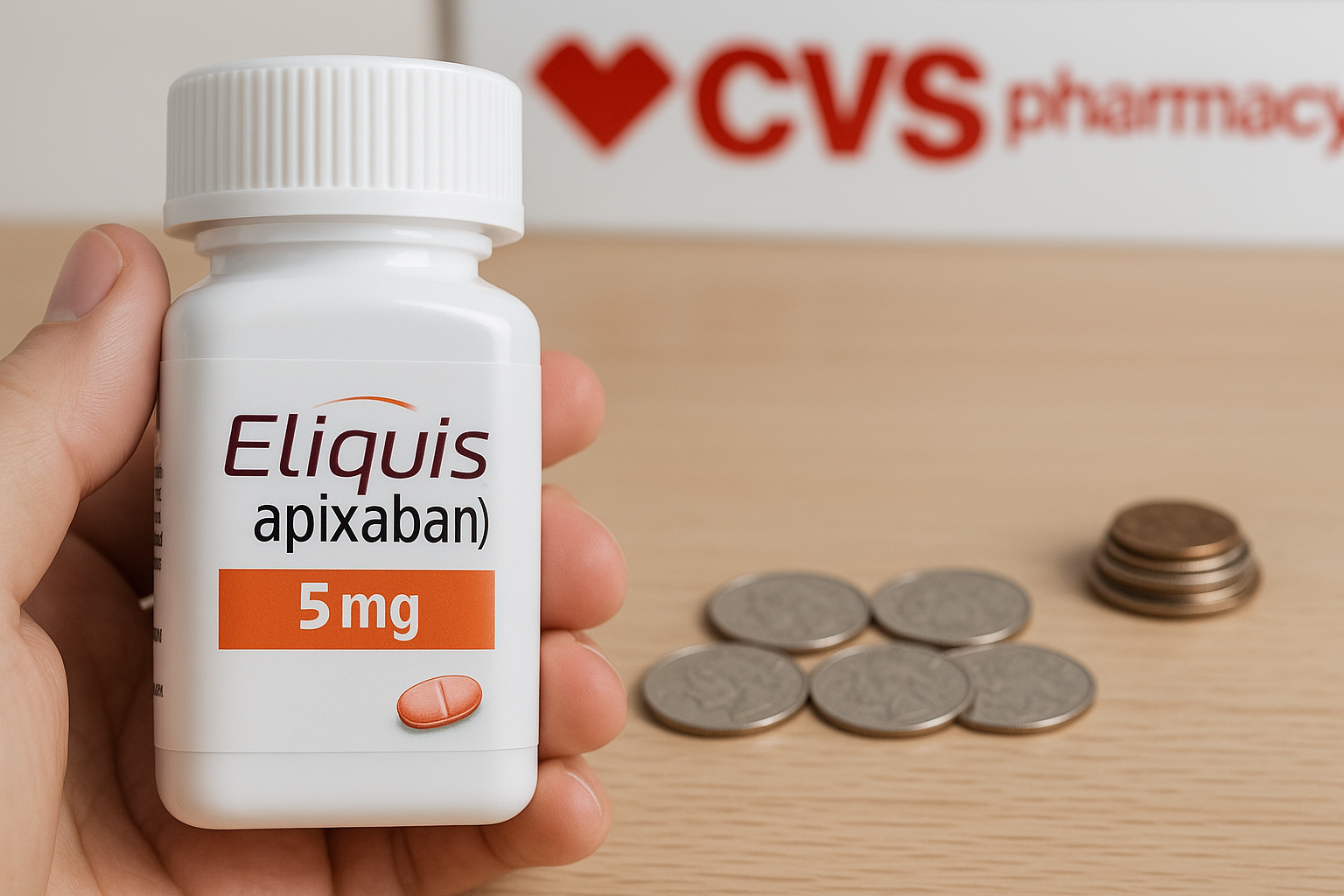
Understanding Eliquis: A Brief Overview
Eliquis, known generically as apixaban, is a medication commonly prescribed to prevent blood clots and reduce the risk of stroke in individuals with atrial fibrillation, deep vein thrombosis (DVT), or pulmonary embolism (PE). It functions as an anticoagulant, working by inhibiting factors in the blood that contribute to clot formation. As of 2026, Eliquis remains a preferred choice for many due to its efficacy and the convenience it offers over traditional options like warfarin, which requires frequent monitoring.
Uses and Benefits of Eliquis
The primary role of Eliquis is to prevent strokes in patients with irregular heartbeats, mitigate the risk of blood clots in people who are immobile post-surgery, and treat DVT and PE. Its benefits include:
- Reduced frequency of blood monitoring tests compared to older anticoagulants.
- Fewer dietary restrictions.
- Lower risk of major bleeding incidents.
Pricing and Payment Options at CVS Pharmacy
As healthcare costs rise, obtaining medications like Eliquis can become a financial concern for many. In 2026, CVS Pharmacy offers several ways to manage the cost of Eliquis, especially for those who are self-paying customers.
Current Pricing Trends
The average cost for Eliquis can vary significantly depending on whether you have insurance, the dosage you require, and your location. Based on recent reports, the price for a typical 30-day supply of Eliquis can range from $450 to $550 without insurance at CVS Pharmacy. These prices are subject to change and may vary with market trends and CVS's pricing policies.
Self-Pay Strategies
For self-paying individuals, understanding all available options to reduce out-of-pocket costs is crucial. Here are some strategies:
- Utilize CVS’s generic drug programs where possible, though Eliquis as a name-brand may not be eligible, discussing potential alternatives with a healthcare provider could help.
- Consider CVS’s memberships like the CarePass program, which offers discounts and savings on prescription medications.
- Investigate manufacturer coupons or patient assistance programs that may provide discounts for Eliquis users. The official website often lists any promotions or assistance available.
Insurance and Prescription Coverage
Navigating insurance coverage for Eliquis is a common challenge. As of 2026, most insurance plans, including Medicare Part D, cover Eliquis; however, coverage specifics can vary widely among providers.
Medicare and Medicaid
Medicare Part D plans typically cover Eliquis, but it's essential to compare plans during the enrollment period to ensure it meets your prescription needs. Similarly, Medicaid may cover Eliquis, but this depends on state-specific programs and formularies. Consulting directly with your insurance provider is advisable for the most accurate information.
Employer-Sponsored Insurance Plans
Those with employer-sponsored insurance should review their plan's formulary to understand the tier and associated costs for Eliquis. Some plans might offer lower co-pays or co-insurance rates for preferred drug lists.
Managing Eliquis Therapy Effectively
Successful management of a treatment regimen with Eliquis involves more than financial considerations. Incorporating healthy lifestyle choices and regular consultations with healthcare providers can enhance treatment outcomes.
Adherence to Prescribed Treatment
Adherence is crucial in maximizing the efficacy of Eliquis. Tips to ensure compliance include setting medication reminders and integrating doses into daily routines. Non-adherence can lead to increased risk of complications such as stroke or recurrent clotting events.
Monitoring and Side Effects
While Eliquis reduces monitoring needs compared to some anticoagulants, regular medical checkups are still necessary. Monitoring can help manage side effects which, while rare, can include bleeding complications. If unusual symptoms arise, consultation with a healthcare provider is paramount to adjust dosages or consider alternatives.
Conclusion
Understanding the intricacies of obtaining and managing Eliquis therapy at CVS Pharmacy can make a significant impact on both health outcomes and financial budgeting for 2026. By leveraging available financial aid programs, insurance coverage, and committing to effective medication adherence, patients can better navigate their treatment journeys. For further resources, patients are encouraged to engage with healthcare professionals and consult their insurance providers for tailored advice.
For additional information, useful resources include the following: