Navigating Self-Pay Options for Ozempic in 2026: A Practical Guide for the Uninsured
Discover what to expect with obtaining Ozempic without insurance by 2026. This insightful overview explores self-pay options and what you might need to consider when planning for your healthcare future.
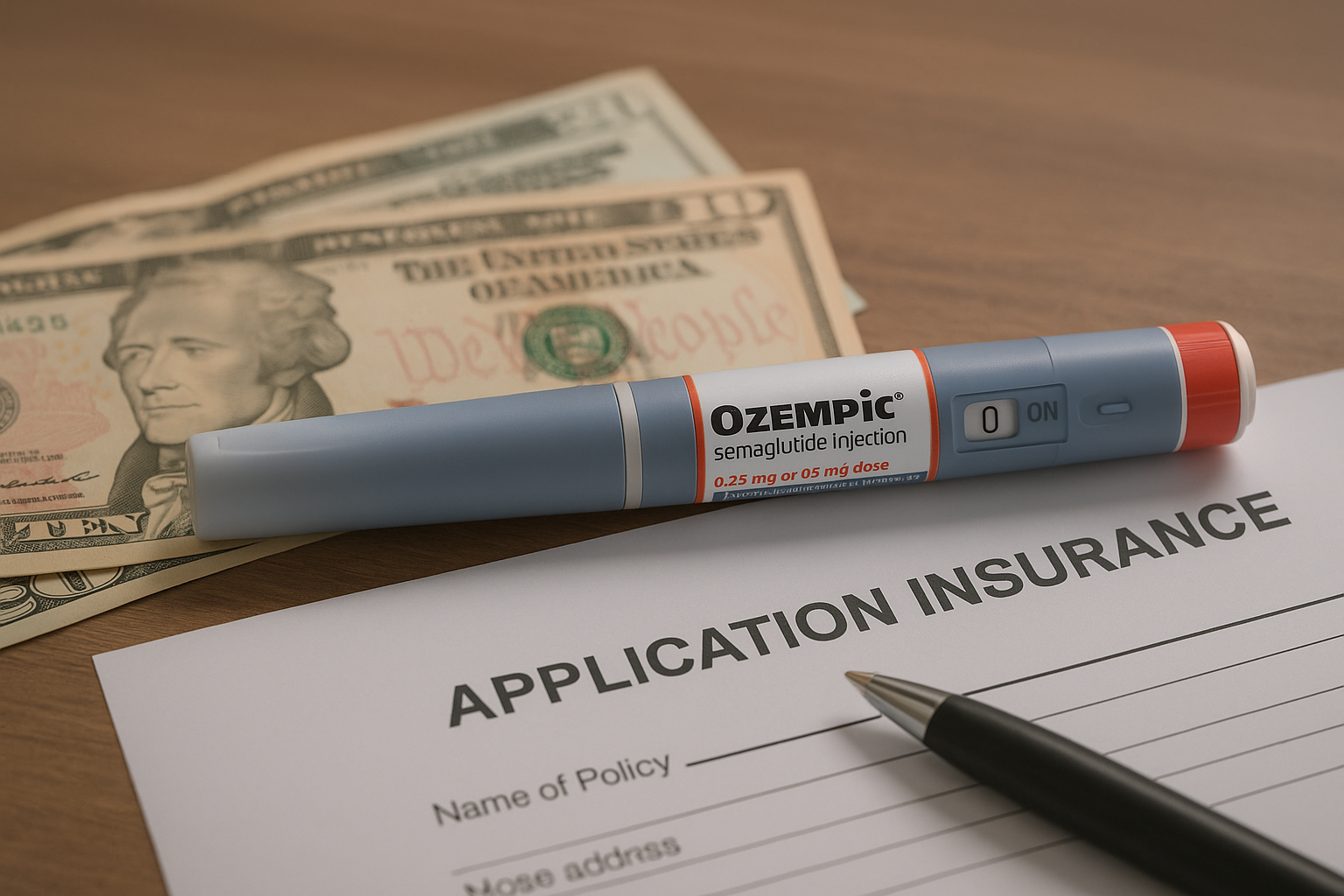
Understanding Ozempic Without Insurance
As we move into 2026, the cost of medications continues to be a significant concern for Americans, especially for those without insurance. One such medication is Ozempic, which is widely used for managing type 2 diabetes. With its popularity increasing, many individuals are curious about their options if they need to self-pay for Ozempic without insurance coverage. In this guide, we'll explore the considerations, costs, and strategies for affording Ozempic out-of-pocket.
What is Ozempic?
Ozempic (semaglutide) is a prescription medication that falls under the category of GLP-1 receptor agonists. It is primarily prescribed to help control blood sugar levels in adults with type 2 diabetes. Beyond its approval for diabetes, Ozempic has gained attention for its potential in aiding weight loss, although it’s crucial to consult with a healthcare professional before considering it for this purpose.
Why Might You Pay Out-of-Pocket?
There are several reasons someone might consider paying for Ozempic without insurance:
- Lack of Health Insurance: Not everyone has access to health insurance, and even for those who do, not all plans cover Ozempic.
- Coverage Limitations: Insurance plans may have restrictions, such as high copayments, deductibles, or they may not cover Ozempic at all if prescribed for weight loss.
- Personal Preference: Some individuals prefer not to use their insurance for privacy reasons or to avoid potential increases in premiums.
Cost of Ozempic Without Insurance
The cost of Ozempic can vary widely based on several factors, including pharmacy pricing, location, and dosage. As of 2026, the average list price for a single pack of Ozempic (containing a month’s supply) can range from $800 to $900.
Factors Affecting Price
While this price might seem daunting, understanding the factors that influence it can help:
- Pharmacy Pricing: Prices can differ between pharmacies. It's advisable to comparison shop or use online tools to check prices across different locations.
- Manufacturer Discounts: Some manufacturers offer savings cards or discount programs for patients who qualify.
- Dosage Form: Ozempic is available in different strengths which may vary in price.
Real-World Example
Consider Jane, a 55-year-old without insurance who was recently prescribed Ozempic for her diabetes management. By researching extensively and leveraging manufacturer discount programs, she was able to reduce her monthly costs significantly, making her medication regimen financially manageable.
Strategies for Managing Costs
For those paying out-of-pocket, several strategies can help manage the cost of Ozempic effectively:
- Discount Programs: Check with the manufacturer, Novo Nordisk, who often provides patient assistance programs. These programs can offer substantial discounts or even free medication to individuals who qualify based on income.
- Generic Savings: Although a generic version of Ozempic is not yet available, monitor FDA updates for potential approval which could lead to reduced pricing.
- Pharmacy Discounts: Utilize pharmacy discount cards or online price comparison tools like GoodRx to potentially lower the overall cost.
Planning for Ozempic in 2026 and Beyond
As you plan for managing diabetes in 2026, setting a budget for medications like Ozempic is crucial. It may also be beneficial to consult with your healthcare provider about alternative medications or treatment plans if the cost becomes prohibitive.
Long-Term Planning
Consider these long-term strategies:
- Regular Health Check-ups: Regular appointments with your healthcare provider can ensure medication effectiveness and address any complications early on.
- Health Savings Accounts (HSA): If you have an HSA, consider using it to offset medication costs, especially for anticipated expenses like Ozempic.
- Stay Informed: Stay updated on legislative changes or pharmaceutical advancements that might affect medication accessibility and pricing.
Conclusion
While paying for Ozempic without insurance in 2026 presents challenges, being informed and proactive can significantly mitigate costs. Utilize available resources and maintain open communication with healthcare providers to ensure you remain as healthy and financially secure as possible. For more detailed information regarding costs and assistance programs, consider visiting Novo Nordisk’s official website or trusted resources such as HealthCare.gov.
References