Planning Ahead: A Realistic Look at Home and Auto Insurance Costs in Canada for 2026
Exploring the future of home and auto insurance costs in Canada this engaging piece delves into potential trends and factors influencing premiums by 2026. While exact figures remain uncertain, we examine how economic shifts and policy developments could impact insurance pricing.
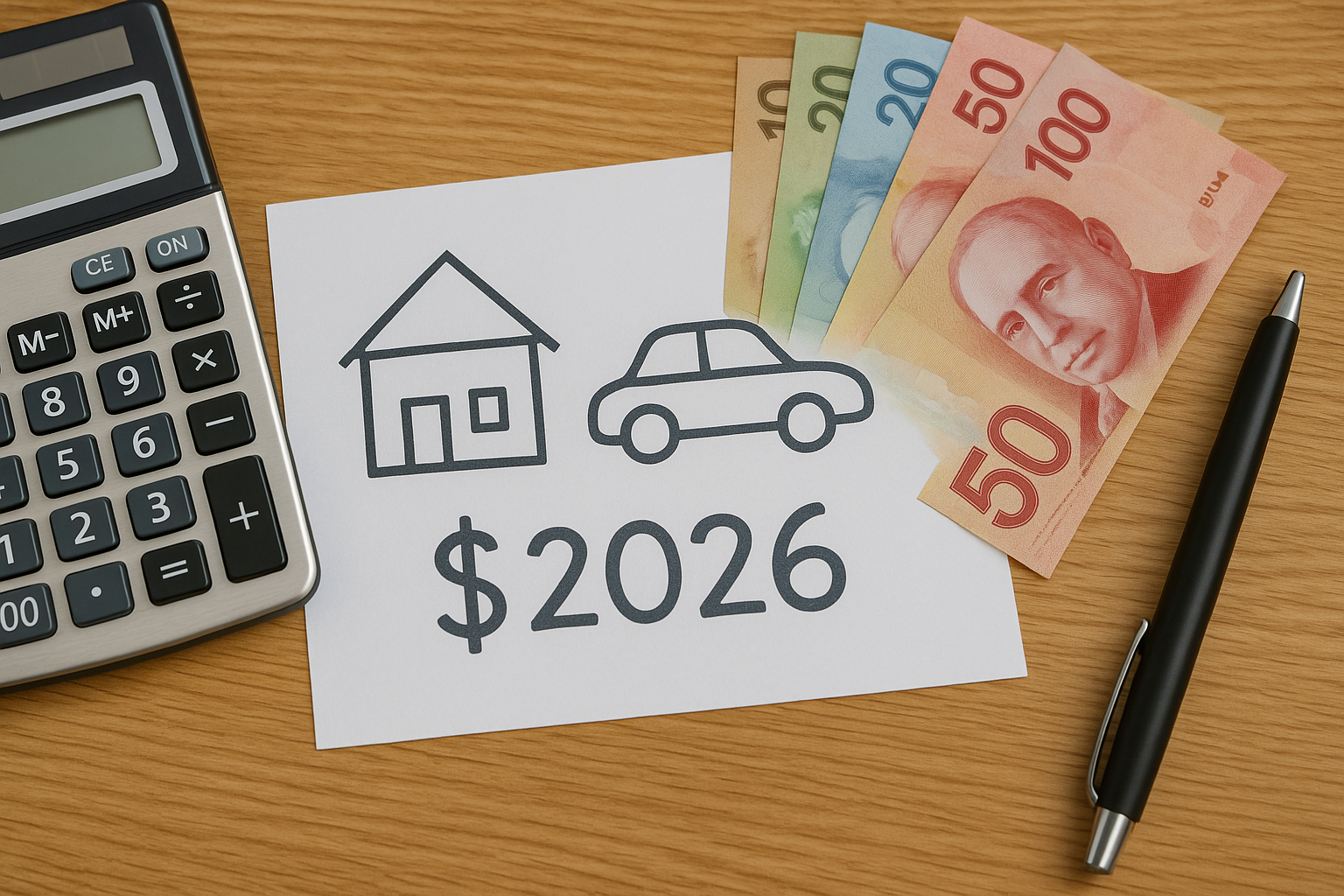
Understanding Home and Auto Insurance in Canada
Insurance is a critical component of financial planning, offering protection against unforeseen events. For Canadians, home and auto insurance are two of the most essential types. Whether you're a new homeowner, a seasoned property investor, or a vehicle owner, understanding the landscape of insurance costs in 2026 is crucial for making informed decisions. This guide aims to illuminate what you can expect in the coming years regarding home and auto insurance costs in Canada, based on recent trends, projections, and expert insights.
Why Insurance Costs Vary
Insurance premiums are influenced by a range of factors, and understanding these can help predict changes in costs. Here are some key elements that affect insurance pricing in Canada:
- Location: Urban areas might see higher rates due to increased traffic accidents or crime rates, whereas rural locations might have different environmental risks.
- Market Trends: Economic conditions, such as inflation, can impact the overall cost of insurance.
- Risk Assessment: Insurers constantly evaluate risk factors like weather patterns, which have seen shifts due to climate change.
- Regulatory Environment: Changes in government regulations can affect how insurance companies set their rates.
What to Expect for Home Insurance Costs in 2026
Home insurance costs in Canada have been gradually increasing over the past few years due to several contributing factors. In 2026, expect these trends to continue, with specific aspects playing more significant roles.
Climate Change and Its Impact
Climate change continues to have a profound impact on home insurance rates. With an increase in severe weather events, such as floods and wildfires, insurers are facing higher payout levels. According to recent data, weather-related incidents accounted for over 75% of home insurance claims in 2025 (source: [Canadian Insurance Association](https://www.insurance-canada.ca/)). This trend is expected to continue, leading insurers to raise premiums to balance the increased risk.
Inflation and Construction Costs
The rise in inflation affects everything from the cost of construction materials to labor. If your home needs repairs or replacements, the cost has likely increased, affecting your home's total insured value and, consequently, the premium. As construction and material costs are predicted to rise by at least 3% in 2026, homeowners can expect a corresponding increase in insurance rates.
Auto Insurance Costs: Factors to Watch in 2026
Much like home insurance, auto insurance in Canada is subject to various influences that can drive costs up or down. Here’s a look at what will shape auto insurance premiums in 2026.
Technological Advancements
The rise of advanced driver-assistance systems (ADAS) in vehicles has both increased vehicle safety and repair costs. While ADAS technology reduces the risk of accidents, repairing these high-tech components can be quite costly when accidents do occur. Insurers may reflect these costs in your premiums, even though their liability for major accidents might be reduced.
Driver Behavior and Usage-Based Insurance
Usage-based insurance (UBI) programs are becoming more popular, allowing insurers to offer personalized premiums based on individual driving habits. In 2025, nearly 40% of Canadian drivers participated in UBI programs (source: [Canada’s Office of the Superintendent of Financial Institutions](https://www.osfi-bsif.gc.ca/)). This trend is expected to continue as telematics technology improves, with premiums increasingly tailored to driving patterns, potentially leading to savings for safer drivers.
Smart Strategies to Manage Rising Insurance Costs
While you might not be able to control the factors affecting insurance premiums, there are strategies you can employ to help manage and potentially lower your costs:
- Regular Policy Reviews: Reviewing your coverage regularly ensures you're not over-insured and you're getting the best rates available.
- Bundling Policies: Many insurers offer discounts if you bundle your home and auto insurance with the same provider.
- Improving Home Safety: Installing alarm systems or updating old wiring can reduce risk and lead to lower premiums.
- Maintaining a Clean Driving Record: Safe driving can qualify you for lower rates or discounts through UBI programs.
Final Thoughts
Anticipating changes in home and auto insurance costs can lead to smarter financial planning. While premiums are expected to rise due to factors like climate change, technological advancements, and inflation, taking proactive steps can help mitigate their impact. By understanding the trends and adapting your insurance strategy accordingly, you’ll be better prepared for the changes coming in 2026.
https://www.ibc.ca/insurance-basics/home
https://www.ibc.ca/insurance-basics/home/types-of-home-insurance-coverage
https://www.canada.ca/en/financial-consumer-agency/services/insurance/home.html
https://www.rates.ca/insurance-quotes/home-auto-insurance-bundle
https://www.ratehub.ca/insurance
https://www.tdinsurance.com/products-services/auto-home-insurance
https://www.rbcinsurance.com/en-ca/auto-car-insurance/home-and-auto-insurance-savings/
https://www.intact.ca/en/personal-insurance/vehicle/bundle
https://www150.statcan.gc.ca/n1/pub/11-621-m/11-621-m2025003-eng.htm