Recognizing the Warning Signs of Advanced Lung Cancer: What You Need to Know
Understanding the warning signs of late stage lung cancer can help in recognizing changes in your health. Symptoms like persistent cough, chest pain, and difficulty breathing might indicate concerns worth discussing with a healthcare provider.
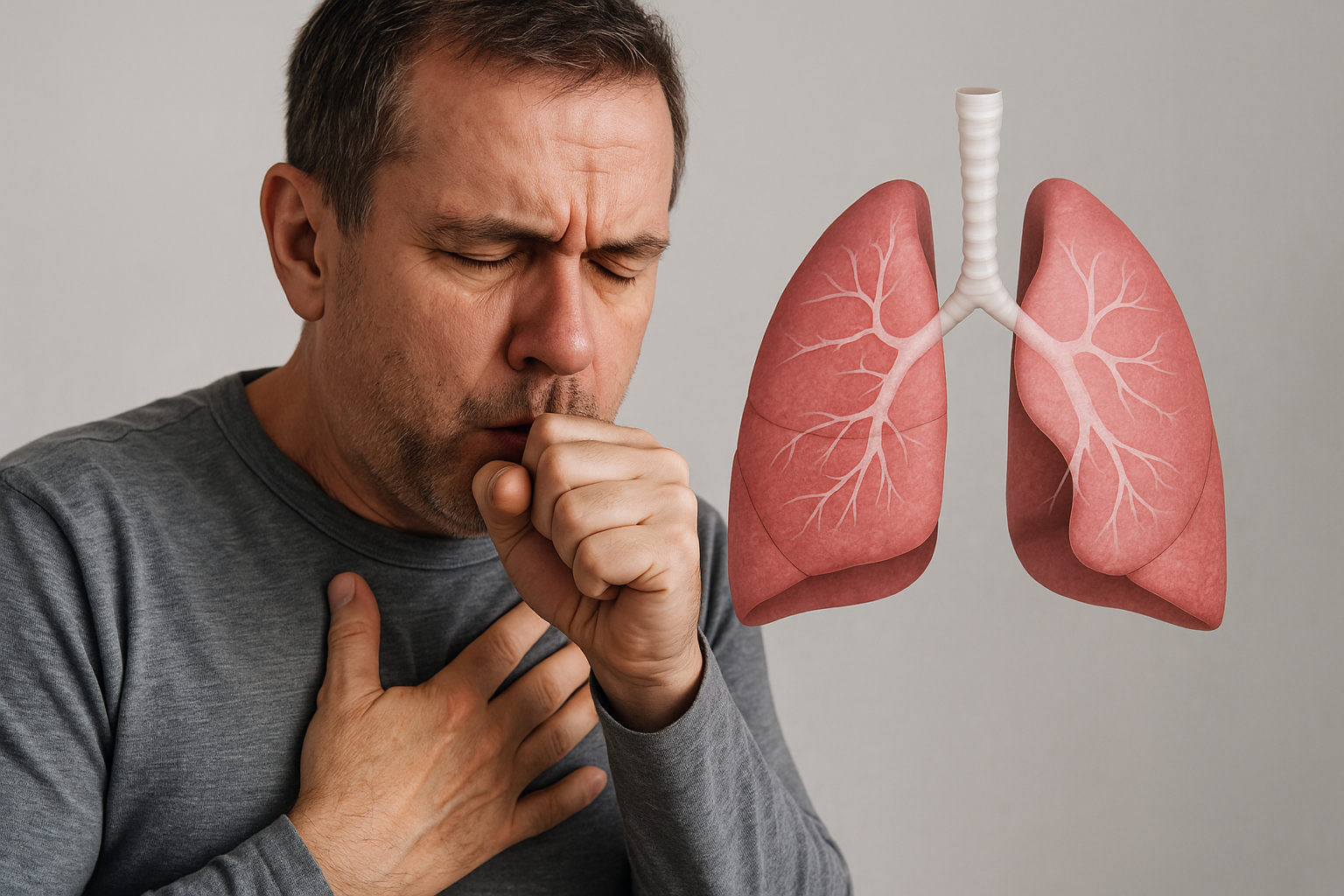
Understanding Late Stage Lung Cancer
Late stage lung cancer, also known as stage IV lung cancer, spreads beyond the lungs to other parts of the body. This stage is often referred to as metastatic lung cancer. Understanding the warning signs is crucial for seeking timely medical attention and exploring treatment options, as they can significantly impact the quality of life and treatment decisions.
What Are the Common Warning Signs?
Recognizing the symptoms of late stage lung cancer can be challenging, as they might mimic other health conditions. Here are some warning signs to look out for:
- Persistent Cough: A long-lasting cough that doesn't go away and sometimes results in blood can be a symptom.
- Shortness of Breath: Difficulty breathing or wheezing can indicate issues as the cancer spreads.
- Chest Pain: Intense or persistent chest pain could signal tumor growth and interference with the organs in the chest.
- Weight Loss: Unintended weight loss can occur due to a decrease in appetite or cancer affecting metabolism.
- Fatigue: A tired feeling that doesn't go away despite rest might suggest cancer's systemic effects.
How Does Lung Cancer Progress to Late Stages?
The transition of lung cancer to a late stage involves the spread of cancer cells beyond the primary location. This process is characterized by local invasion and metastasis, often involving critical organs like the brain, liver, and bones. Here's how it progresses:
Tumor Growth and Spread
Cancer cells proliferate uncontrollably, forming masses or tumors. Over time, these cells may invade nearby tissues and enter the bloodstream or lymphatic system, traveling to distant organs. The biology of lung cancer allows it to adapt and survive in various body environments, enabling its spread.
Diagnostic Imaging and Tests
Advanced imaging technologies such as a CT scan, PET scan, or MRI help assess the extent of cancer spread. Blood tests and biopsies might also be employed to check for tumor markers or genetic mutations according to the American Cancer Society. Early intervention remains crucial even in advanced stages.
What Are the Treatment Options?
While stage IV lung cancer is complex to treat due to its widespread nature, various therapies are available aimed at improving survival and quality of life:
- Chemotherapy: Uses powerful drugs designed to target and kill cancer cells. It may be administered alone or alongside other treatments.
- Targeted Therapy: This involves drugs targeting specific genetic mutations in cancer cells, blocking their growth and spread.
- Immunotherapy: A recent advance that helps the immune system recognize and attack cancer cells effectively.
- Radiation Therapy: Uses high-dose radiation to shrink tumors and alleviate pain caused by metastasis.
- Palliative Care: Offers a holistic approach to managing symptoms, maintaining comfort, and supporting emotional well-being.
Coping with Late Stage Lung Cancer: Patients and Caregivers
Dealing with late stage lung cancer can be emotionally and physically draining, both for patients and their families. Understanding how to manage the stresses associated with the condition is crucial. Here are some helpful strategies:
Emotional Support Network
Participating in support groups or seeking counseling can provide much-needed emotional stability. Online forums and community resources can connect individuals with others facing similar challenges. The American Lung Association offers numerous supportive resources to help ease this journey (Learn more here).
Wellness and Nutrition
Maintaining a balanced diet and engaging in light physical activity can significantly impact well-being, reducing fatigue and enhancing strength. Nutritionists specializing in cancer care can offer personalized dietary plans tailored to the patient's needs.
The Future Outlook: Research and Innovation
Continuous research in oncology provides hope for better management of late stage lung cancer. Emerging treatments like genetic therapy, improved diagnostic tools, and new drug discoveries are paving the way for a promising future against this formidable disease.
According to a 2026 report by the National Cancer Institute, current clinical trials are focusing on personalized medicine approaches that customize treatment based on individual genetic profiles (Read the full report).
References