Starting Small: Simple Organic Farming Techniques for Beginners on Limited Acreage
Discover the simplest organic farming methods perfect for beginners with smallacreage plots. Starting with techniques that minimize complexity, this guide ensures you grow your knowledge alongside your crops without overextending resources.
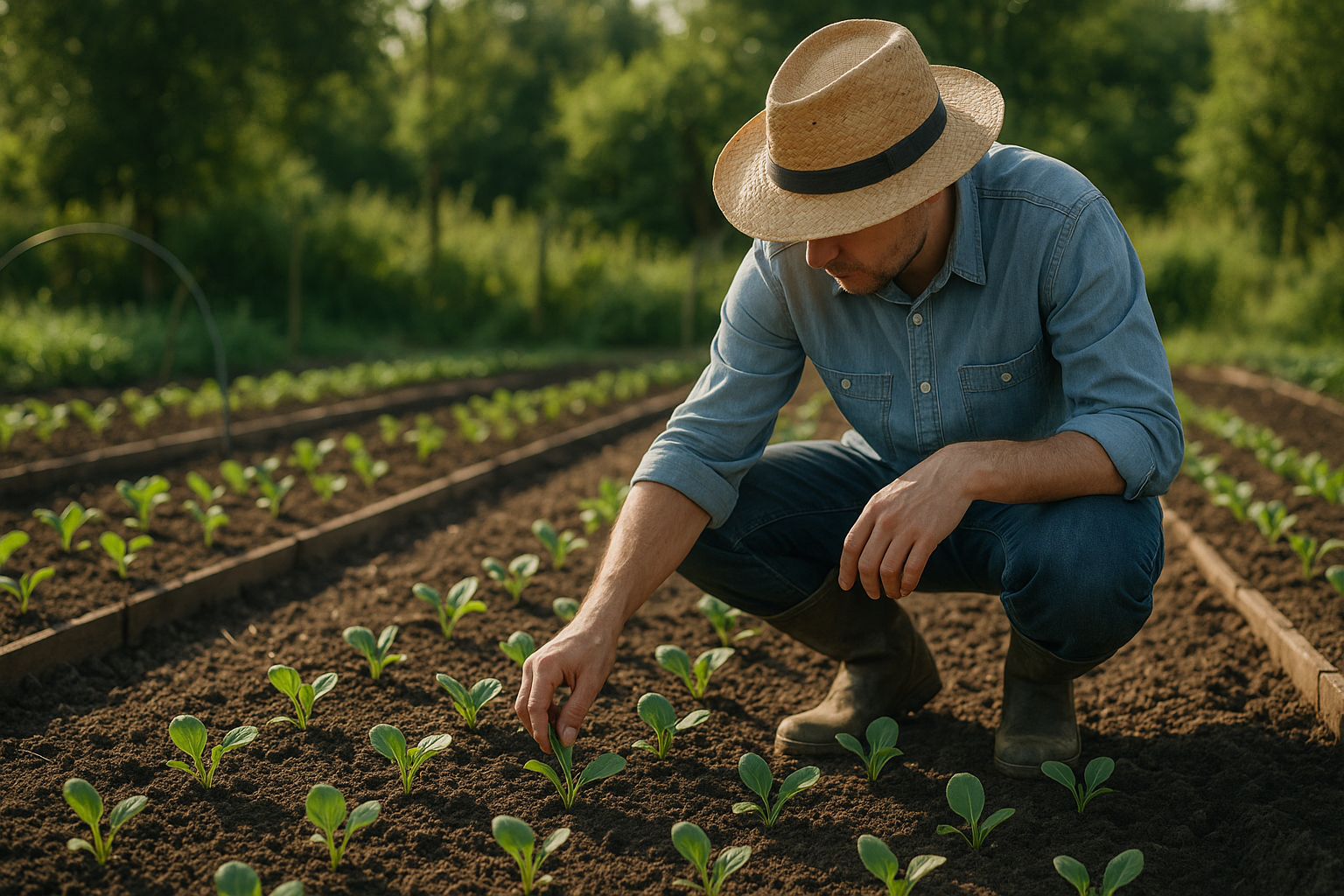
Understanding Organic Farming for Small-Acreage Beginners
As conventional farming faces scrutiny for its environmental impact, many new farmers are turning to organic methods. For small-acreage beginners, understanding the foundations of organic farming is crucial for success. But what are the easiest organic farming methods that can be implemented by those just starting? This article dives into simplified strategies and offers insights into running a sustainable and productive small organic farm.
What is Organic Farming?
Organic farming is a method of agriculture that focuses on growing food using natural substances and processes. This method avoids synthetic fertilizers, pesticides, genetically modified organisms (GMOs), and promotes ecological balance and biodiversity.
According to recent statistics from the Food and Agriculture Organization (FAO), organic farming worldwide is growing rapidly, driven by consumer demand for healthier and environmentally friendly food options.
Benefits of Organic Farming for Small-Acreage Farmers
Starting organic farming on a small-scale acreage can provide several benefits:
- Environmental Sustainability: By employing organic methods, farmers help reduce pollution, conserve water, reduce soil erosion, and use less energy.
- Healthier Crop Production: Organic practices result in higher-quality and nutritionally richer produce due to avoidance of chemicals.
- Market Demand: An increase in consumer interest in organic products often leads to higher prices and profitability for farmers.
Essential Organic Farming Methods for Beginners
1. Start with Soil Health
Healthy soil is the foundation of a successful organic farm. Beginners should focus on enhancing the quality of their soil from the start. Implement practices such as:
- Composting: Utilizing kitchen scraps and plant material to create nutrient-rich compost can improve soil fertility. A simple backyard compost pile works well for small acreage.
- Crop Rotation: Avoiding planting the same crop in the same area in succession helps prevent soil depletion and pest build-up. Rotate crops annually for best results.
- Cover Cropping: Grow cover crops like clover or buckwheat during off-seasons to fix nitrogen in the soil, suppress weeds, and prevent erosion.
2. Pest and Disease Management
Organic pest management focuses on preventing problems before they occur. Farmers can adopt these tactics:
- Crop Diversity: Planting a variety of crops can deter pests and reduce the spread of disease. Companion planting can enhance this effect.
- Physical Barriers: Use nets, floating row covers, and fences to protect crops from pests.
- Natural Predators: Introduce beneficial insects such as ladybugs and lacewings to control harmful pest populations.
- Homemade Sprays: Natural homemade sprays made from garlic, hot peppers, or neem oil can deter pests without harmful chemicals.
3. Efficient Water Management
Water conservation is a crucial aspect of organic farming. Small-acreage farmers should practice responsible water usage by:
- Rainwater Harvesting: Collect and store rainwater for irrigation. It reduces dependency on municipal water sources.
- Drip Irrigation Systems: Implementing drip irrigation can efficiently deliver water directly to plant roots, reducing waste.
- Mulching: Applying a layer of mulch helps retain moisture in the soil and reduces evaporation.
4. Plant Selection and Seed Saving
Choosing the right plants is imperative for the success of an organic farm. Beginners should consider local varieties that are well-adapted to their climate:
- Heirloom Varieties: These plants are often more resistant to local pests and diseases.
- Seed Saving: Save seeds from the best-performing plants to plant in subsequent years, reducing costs and enhancing adaptation.
5. Community Learning and Networking
Engage in local community groups, cooperative extensions, and online forums dedicated to organic farming. Beginner farmers can benefit significantly from shared experiences and knowledge:
- Workshops and Courses: Enroll in workshops that focus on organic farming techniques for small-scale operations.
- Online Communities: Platforms like Permaculture Global offer forums and networks for growers to connect and seek advice.
Challenges and Solutions for Organic Farming Beginners
While organic farming brings numerous benefits, it also presents challenges:
- Regulatory Compliance: Adhering to organic certification standards can be overwhelming. Beginners should research requirements through resources like the USDA Organic Program.
- Initial Costs: Organic farming can incur higher initial costs for inputs and infrastructure. Consider starting small and gradually expanding.
- Pest and Disease Pressure: Although manageable, these issues require constant monitoring and adaptation of strategies.
Conclusion: Start Simple, Grow Sustainably
Embarking on an organic farming journey on a small plot of land is an exciting way to contribute to environmental sustainability while producing healthy food. By implementing these straightforward methods and tapping into available resources, small-acreage beginners can achieve a successful organic farming endeavor.