Understanding the Factors Behind Sudden Hair Thinning in Women and Practical Steps to Address It
Explore the possible causes behind sudden hair thinning in women. This article delves into various reasons, from hormonal imbalances to lifestyle factors, that might be contributing to your concerns. Discover expert recommendations on how to address hair thinning effectively.
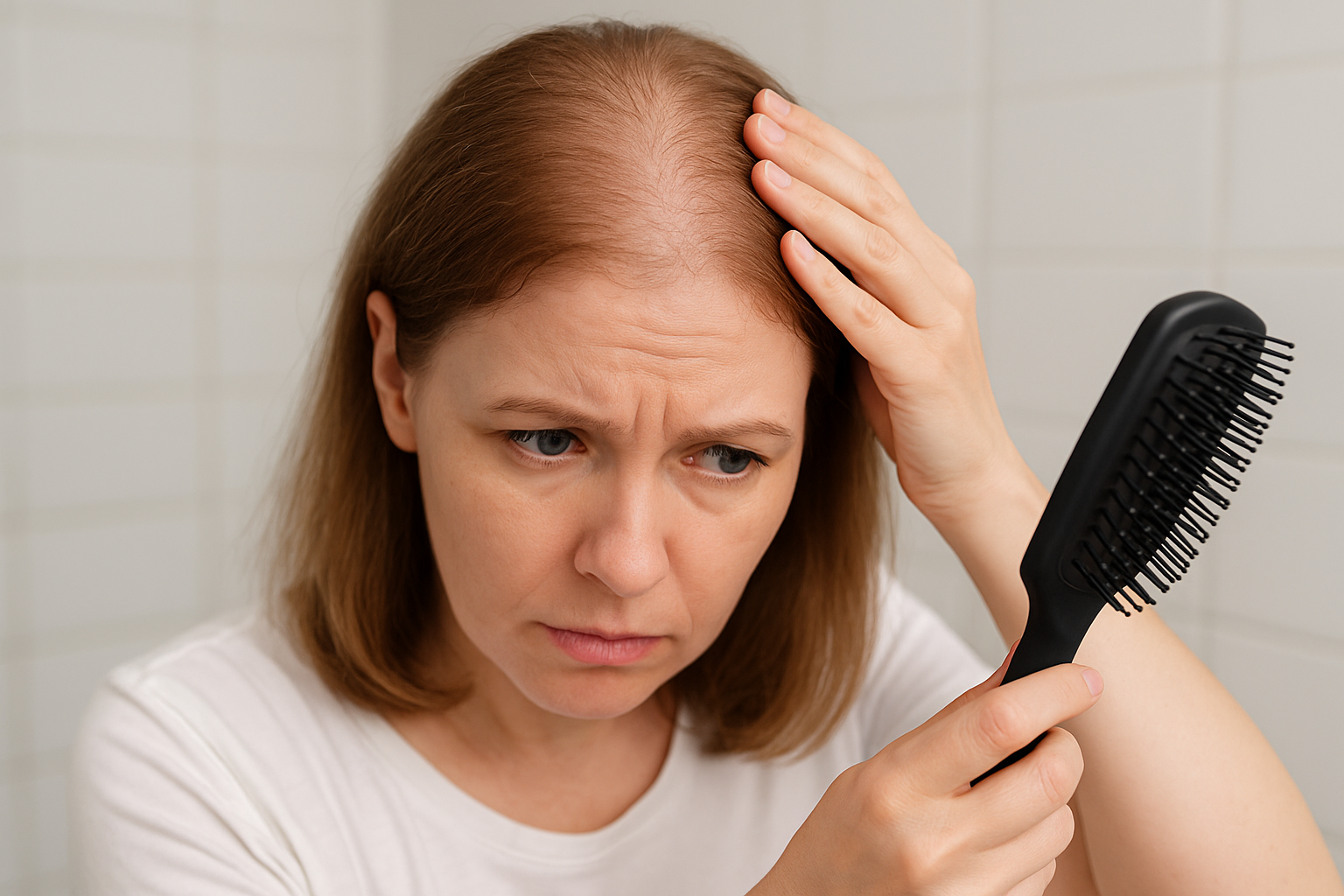
Understanding the Causes of Sudden Hair Thinning in Women
Hair thinning can be a distressing experience for many women, often catching them by surprise. Understanding the underlying causes is essential to address and manage the situation effectively. Let's explore some of the common reasons behind sudden hair thinning in women.
Hormonal Imbalances
Hormones play a significant role in hair growth and health. Changes in hormone levels, particularly estrogen and progesterone, can lead to hair thinning. This is often observed during pregnancy, postpartum periods, and menopause. For example, during menopause, a decrease in estrogen levels can disrupt the hair growth cycle, leading to increased shedding and thinning.
Stress and Hair Health
Stress is a well-known factor that affects various aspects of health, including hair. Telogen effluvium, a condition caused by severe stress, can push hair follicles into the resting phase prematurely, leading to noticeable hair fall. Managing stress through techniques like meditation or yoga can significantly improve hair health.
Dietary Factors and Nutrient Deficiency
Nutrition is directly linked to hair health. Insufficient intake of essential nutrients such as iron, zinc, vitamin D, and protein can lead to hair thinning. Women who follow restrictive diets or have eating disorders are particularly at risk. Ensuring a balanced diet rich in these nutrients is crucial for maintaining healthy hair growth.
Medical Conditions and Treatments
Certain medical conditions like thyroid disorders, polycystic ovary syndrome (PCOS), and autoimmune diseases such as alopecia areata can cause hair thinning. Additionally, treatments such as chemotherapy and certain medications can exacerbate this issue. Consulting with healthcare providers is key in these situations.
How to Stop Hair Thinning and Promote Healthy Hair Growth
Stopping hair thinning involves a multifaceted approach that addresses the underlying causes while promoting overall hair health. Here are actionable strategies to consider:
Nutritional Adjustments
Optimizing your diet to include more hair-friendly nutrients can make a significant difference. Include foods rich in omega-3 fatty acids, biotin, and antioxidants to support hair strength and growth. Supplements can also be considered under professional guidance to cater to specific deficiencies.
Stress Management Techniques
Incorporating stress-reducing activities into daily routines can help mitigate hair thinning due to stress. Activities such as yoga, meditation, and regular exercise release endorphins, improving mood and reducing stress levels. Consistency in these practices is key to observing benefits over time.
Regular Hair Care Routine
Adopting a consistent hair care routine tailored to your hair type is vital. Use gentle, sulfate-free shampoos and conditioners, and avoid over-styling or using heat excessively. Regular scalp massages with essential oils like rosemary or peppermint oil can also stimulate blood circulation and promote hair growth.
Medical Interventions
For those experiencing severe hair thinning, seeking professional help is recommended. Dermatologists can offer treatments such as minoxidil, finasteride, or low-level laser therapy that have shown effectiveness in stimulating hair growth. FDA-approved treatments tailored by a physician can provide targeted results.
Address Hormonal Issues
If hormonal imbalances are contributing to hair thinning, working with an endocrinologist or gynecologist to manage these levels can be beneficial. Hormone replacement therapies or birth control pills may be considered as part of regulating hormonal balance.
Recent Research and Developments
Advancements in hair restoration research continue to provide hope for effective treatments. According to a 2026 study published in the Journal of Dermatological Science, researchers are exploring the use of stem cell therapies and platelet-rich plasma (PRP) for hair regrowth, showing promising results in clinical trials. Learn more.
Additionally, a comprehensive review by the British Journal of Dermatology highlights the potential of emerging technologies such as robotic hair restoration systems that improve precision and outcomes in hair transplant procedures. Read the study.
Real World Examples and Success Stories
Many women have successfully reversed their hair thinning through lifestyle changes, medical treatments, and dedicated hair care practices. For instance, Jane, a 35-year-old working professional, overcame stress-induced hair thinning by incorporating meditation and a high-protein diet combined with medical consultation for hormonal balance. Similarly, Lea, who experienced postpartum hair thinning, found success in using biotin supplements and scalp massages to stimulate hair growth.
These stories empathize with the journey many women face and highlight the importance of a comprehensive approach tailored to individual needs.
Conclusion
Sudden hair thinning in women can be challenging, but understanding its causes and solutions can empower individuals to take control of their hair health. Whether the approach focuses on diet, stress management, routine hair care, or medical intervention, addressing hair thinning holistically can lead to improved outcomes and revitalized confidence.