Tankless Water Heater: Is the High Upfront Cost Worth the Long-Term Savings?
Considering if a tankless water heater is worth the high upfront installation cost? Understanding the true return on investment is key. While the initial expense seems large, efficiency gains and longterm savings might make a tankless water heater a smart decision.
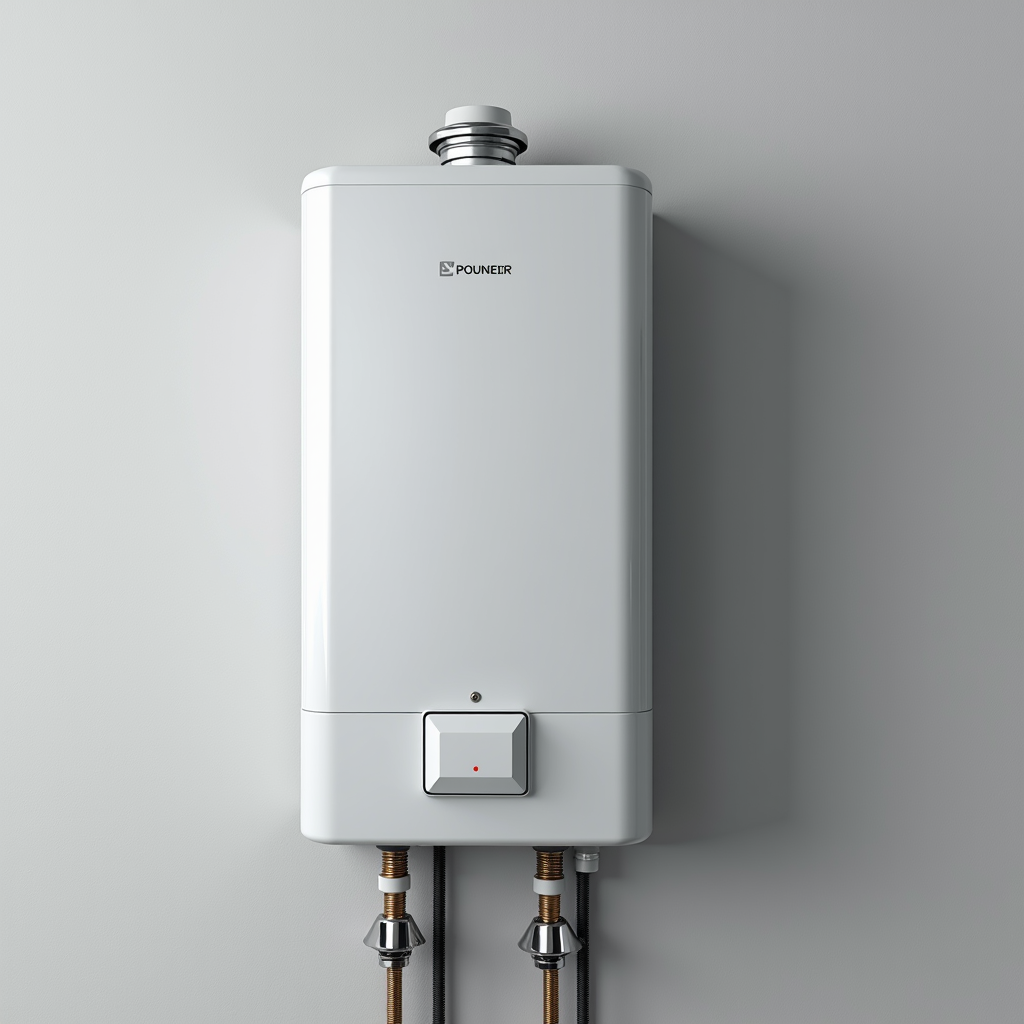
Understanding the High Upfront Cost: Why Does Tankless Seem Expensive?
It’s true: the initial investment for a tankless water heater, especially when factoring in all necessary plumbing, electrical, and ventilation upgrades, can feel daunting. Many homeowners pause their research right at this point, assuming that because the upfront cost is so high, the long-term benefit must be minimal. However, to truly answer the question of whether it’s "worth it," you have to move past the sticker price and look at the total cost of ownership (TCO) and the comparative value of modern plumbing technology.
Deconstructing the Installation Factors
The high price tag isn't just for the unit itself. It's a comprehensive system installation. When comparing the unit cost, it's crucial to understand what other components contribute to the final invoice. These often include:
- High-Capacity Gas/Electric Lines: Tankless units, particularly gas models, require larger diameter gas lines and more robust venting systems than traditional units. This necessary infrastructure upgrade significantly increases the labor cost.
- Electrical Upgrades: If opting for an electric unit, the local electrical panel may need an entire service upgrade or the addition of a dedicated circuit—a costly but essential safety measure.
- Plumbing Modifications: The placement and connections must be meticulously managed to ensure peak efficiency and compliance with local codes.
- Labor Costs: Because of the technical complexity and the need for specialized training (HVAC, plumbing, gas fitting), the labor involved is highly skilled and expensive.
Understanding this breakdown helps shift the perception of the cost from being a single "purchase" to being a multi-faceted "infrastructure upgrade."
The True Savings: Analyzing the Payback Period (ROI)
The core of the value proposition lies in the return on investment (ROI). Instead of focusing solely on the dollars spent, savvy homeowners must analyze the dollars saved over the unit’s lifetime. This involves calculating both operational savings and value increases.
Energy Efficiency and Operational Savings
Traditional storage tank water heaters constantly "stand by," meaning they continuously heat and maintain a volume of water in the tank, even when no one is using hot water. This process of keeping a large mass of water at a constant temperature is known to be remarkably energy inefficient. Tankless systems, by contrast, heat water only when you need it, on demand. This process dramatically reduces standby energy loss.
In current market conditions, where utility costs are a persistent concern, this efficiency gap is critical. According to recent analyses in 2026, the average energy savings from switching to a high-efficiency tankless model can result in annual savings ranging from $800 to $1,500 per household, depending on local water usage patterns and utility rates. Over a 15- to 20-year lifespan, these savings accumulate rapidly, shrinking the perceived payback period.
Water Conservation and Durability
Beyond energy, modern tankless units are also inherently water-saving. By eliminating the standby reservoir, they minimize the chance of mineral buildup or leaks, which are common failure points in traditional tanks. Furthermore, many jurisdictions are implementing stricter water conservation mandates, and the reduced water waste associated with high-efficiency tankless systems positions the home as more sustainable and appealing to modern buyers.
Beyond Savings: The Lifestyle and Comfort Benefits
While financial metrics are crucial, the argument for tankless heaters also involves quality of life and home performance. These benefits are difficult to assign a dollar value but contribute significantly to overall home value and comfort.
Unlimited Hot Water, Guaranteed
The single biggest comfort upgrade is the promise of never running out of hot water. In a busy household with multiple bathrooms, guests, and high usage (like running a laundry machine simultaneously), a traditional tank can deplete its reserve quickly, leading to cold showers or pressure drops. Tankless units maintain a virtually limitless supply, providing consistent flow and temperature, regardless of simultaneous usage. This peace of mind is invaluable.
Improved Home Aesthetics and Installation Flexibility
Many contemporary tankless units are designed to be sleek and compact, requiring far less space than a bulky tank. This makes them ideal for smaller bathrooms, utility rooms, or properties with limited space. Moreover, because they don't need a large, dedicated space for a tank and associated plumbing, they offer greater installation flexibility.
The Comparative Analysis: Tank vs. Tankless
To finalize the evaluation, a direct comparison chart helps clarify the trade-offs:
| Feature | Traditional Tank Heater | Tankless Heater | Implication for Cost-Benefit |
|---|---|---|---|
| Upfront Cost | Lower (Unit only) | Higher (System installation) | Initial barrier to entry is the biggest hurdle. |
| Energy Efficiency | Moderate (High standby loss) | High (On-demand only) | Significant operational savings over 15+ years. |
| Hot Water Supply | Finite (Limited by tank size) | Virtually unlimited (High flow rate) | Superior comfort and convenience. |
| Maintenance | Tank replacement/Sediment cleanout | Minimal (Primarily flushing/venting) | Less frequent major service interventions. |
Addressing Potential Concerns and Choosing the Right System
If the upfront cost is the primary deterrent, it’s vital to discuss financing options or evaluating the upgrade in phases. Additionally, the choice between natural gas, propane, and electric models is critical, as each has vastly different efficiencies and installation requirements.
Gas vs. Electric: Which Model Is Right for You?
Gas models are often praised for their high efficiency and flow rates, making them excellent for larger families and homes with high hot water demand. However, they require robust gas line infrastructure. Electric models are superb for smaller homes or secondary water heaters, offering simpler installation in certain electrical setups, though they may struggle to deliver the massive volume needed for very large, multi-bathroom houses.
The Importance of Professional Assessment
Do not rely solely on published cost estimates. A professional assessment is necessary because local building codes, water hardness levels, and existing infrastructure are non-negotiable factors. A skilled plumber or HVAC specialist will evaluate your home’s actual hot water demand (measured in Gallons Per Minute or GPM) and ensure the unit size and fuel source are correctly matched to prevent inadequate performance.
Conclusion: Is It Worth the Investment?
When viewed through the lens of Life Cycle Costing (LCC), the answer to "Is a tankless water heater worth the high upfront installation cost?" shifts from a simple "yes or no" to a calculated, informed analysis. For the majority of homes, especially those experiencing high utility rates or those that value consistent, reliable hot water flow, the total accumulated savings—derived from reduced energy consumption, eliminated standby waste, and superior comfort—will eclipse the initial expense over the unit’s lifespan.
***Disclaimer:** Energy savings rates are based on average usage data and local utility indices; actual savings will vary based on climate, plumbing efficiency, and usage patterns. Always consult local, licensed professionals for accurate quotes and compliance checks. (Sources: Energy Star Residential Guidelines, Plumbing Industry Research Reports 2026, State Utility Commission Data).***