Timing Your Purchase: Best and Worst Times to Buy a New Car
Considering what are the best and worst times for buying a new car? Timing is everything. Learning to identify market fluctuations can save thousands. We explore expert insights to help you navigate this complex process.
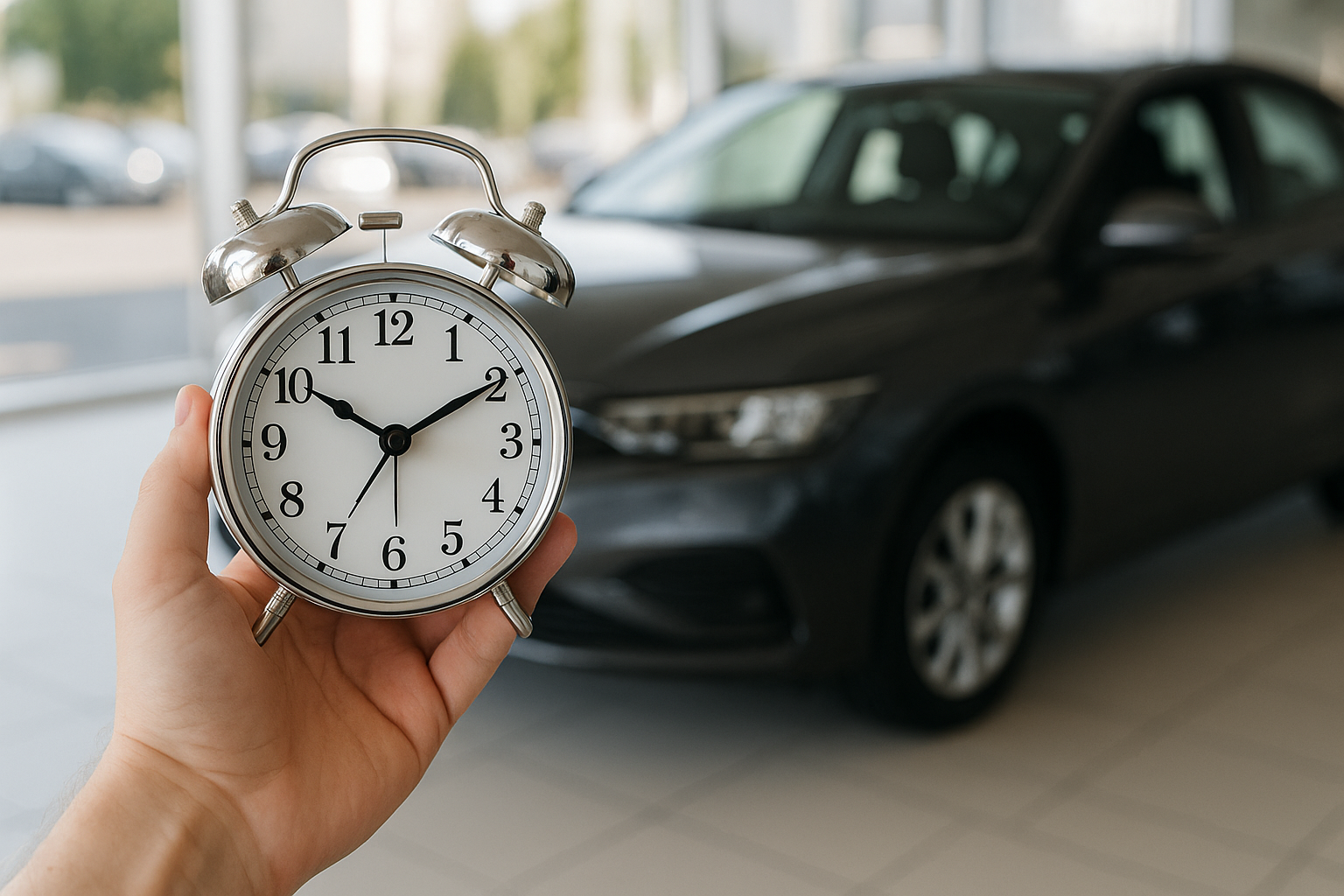
Understanding the Rhythm: Is There Really a "Best Time" to Buy a Car?
The timing of your purchase—whether it's Christmas week, tax season, or the dead of summer—can significantly impact the price, the incentives available, and the specific negotiation leverage you possess. Many buyers view car buying as a single transaction, but viewing it as a strategic negotiation, timed correctly, is the key to saving thousands of dollars. While no single magical date guarantees the lowest price, understanding the market rhythms and the dealer's internal pressures is the most valuable preparation you can undertake.
Why Timing Matters More Than Luck: The Psychology of the Dealer
Car dealers, like any other retail environment, operate on sales quotas and quarterly targets. Understanding these targets allows you to position yourself as a knowledgeable buyer who knows when the dealer *needs* to make a sale, rather than when they *want* to make a sale. The dealer’s pressure point is the end of a fiscal quarter or the end of a model year, and these moments create natural opportunities for buyers.
- The Quarterly Crunch: Dealers are intensely motivated to hit sales targets by the end of March, June, September, and December. The last week of any given quarter is often prime time for discounts because meeting those metrics is paramount to their bonus structure and the dealership's reputation.
- Model Year Clearance: Automakers introduce new models every year (the "new crop"). Dealers must clear out last year’s inventory—the current model year—to make room for the highly anticipated 2026 models. This clearance phase creates incredible incentives, sometimes making the older, highly reliable model year significantly cheaper than anticipated.
- High-Demand Seasons (The Worst Times): Avoid buying right after major holidays (like the December rush) or during periods of massive economic hype. In these moments, emotion takes over, and dealers recognize they have a captive, eager audience willing to overlook higher prices for the sake of owning a new vehicle immediately.
For 2026, market forecasts continue to emphasize regional variations in pricing. While national trends are influenced by interest rates, local dealership supply chains and regional demand (e.g., rush hour traffic in major metro areas versus rural farming communities) often dictate the immediate pricing power, suggesting buyers must research local dealer inventory patterns in addition to national trends.
Economic Indicators: Predicting Market Cycles and Pricing Trends
A savvy car buyer doesn't just look at the calendar; they look at the economy. Macroeconomic factors—like interest rates, inflation, and consumer confidence—are often more powerful determinants of pricing than specific dates. When the economy is unstable or predictions of recession circulate, certain behaviors emerge in the used and new car markets.
The Impact of Interest Rates and Lending Conditions
This is arguably the biggest determinant of the total cost of ownership. If interest rates (the rate the bank charges the dealership for financing) are high, the total cost of the car skyrockets, even if the sticker price is low. Consequently, buyers may be forced to focus on maximizing the value of the actual vehicle payment, leading them to search for models with substantial manufacturer incentives.
- Rate Sensitivity: When the Federal Reserve signal suggests rising interest rates, dealers may become more aggressive with cash incentives or low-APR financing deals, as they fight to keep the sales pipeline full.
- The Lease vs. Buy Calculus: High rates can shift consumer preference towards leasing, as it front-loads the cost into a structured payment that is often less sensitive to overall interest rate changes than a large loan principal. However, when rates stabilize, financing a purchase becomes dramatically more appealing.
Inflation and Inventory Levels: A Modern View
Inflation impacts cars in two key ways: the cost of raw materials (steel, microchips) and labor. When the supply chain is stressed (low inventory), dealers gain significant pricing power, leading to the 'worst time' to buy. Conversely, when an abundance of vehicles hits the market (high inventory, often due to a major economic downturn causing overproduction), prices drop rapidly.
In the context of anticipating 2026, industry experts suggest that while supply chain issues have eased globally, geopolitical factors remain a constant wild card. Buyers should therefore remain diligent in checking inventory reports, paying closer attention to dealer-provided incentives versus general national pricing models. Always negotiate the out-the-door price, not just the monthly payment.
[Source 1: IHS Markit Automotive Market Forecasts, Q4 2025]
The Ultimate Tactic: Targeting the Specific Triggers and End-of-Cycle Sales
If economics is the 'Why,' then dealership cycles and model years are the 'When.' To truly optimize your chances, you must align your purchase with a dealer’s inherent needs to clear space, cash flow, or inventory.
The Quarter-End Blitz (The Sweet Spot)
This is the most consistently recommended time. Dealers face immense pressure to hit sales metrics. This pressure translates into giving away incentives, bundling services, and offering substantial point-of-sale discounts. You do not need to be physically present on the last day of the quarter; understanding this pressure window allows you to approach the dealer with genuine purchase intent just before these critical deadlines.
End-of-Model-Year Pricing (The Deep Discount)
The transition from the 2025 model year to the 2026 model year is where some of the most dramatic discounts occur. Why? Because dealer floor space is finite, and manufacturers are pushing massive volumes of the newest models. The model year designation is purely cosmetic; the vehicle remains functionally excellent. This is ideal for buyers who are not fixated on having the absolute newest trim level and are comfortable with a slight decrease in perceived novelty.
- Action Item: When visiting a dealership, ask specifically about the incentive packages available to clear out the previous model year’s inventory.
- Example: A dealer might offer a brand-new, barely used 2025 version of a popular SUV at a deep discount to make room for the 2026 model, saving you thousands compared to waiting a year.
Navigating the Holiday Pitfalls (The Worst Timing)
While the Quarter-End Blitz is ideal, the holidays are generally unfavorable. During Christmas, Hanukkah, and New Year's, buyers are emotional. Dealers sense this, too. They know buyers are highly motivated to "treat themselves" and are less likely to stick to a rigid budget. This is when negotiating becomes difficult because the dealer holds all the cards.
A Strategic Holiday Exception: The week leading up to a major holiday (e.g., the last week of November) can sometimes trigger deep discounts as dealers attempt to get sales completed before the staff goes on paid leave. This is a calculated gamble, but it can pay off if done with preparation.
Advanced Strategy: Beyond the Calendar—Negotiating the Hidden Value
A truly comprehensive understanding of buying a car requires looking past seasonal discounts and into the mechanics of the deal itself. The best time to buy often correlates with your ability to negotiate the components of the deal, not just the sticker price.
Understanding Dealer Holdbacks and Incentives
When a dealer advertises a $3,000 incentive, it's crucial to know if that incentive is applied to the sticker price or if it is a combination of manufacturer rebates and dealer cash. Always clarify: Is this money taken off the negotiated price, or is it an add-on payment structure? Negotiating based on the actual cost of the car (the price of the vehicle itself) before adding taxes, registration, and fees is non-negotiable.
The Importance of Negotiation Separation
Many novice buyers fail because they try to negotiate four things simultaneously: the price, the trade-in value, the financing rate, and the added extras (paint protection, detailing, etc.). This is a mistake. The 'best time' to buy involves separating these negotiations:
- Phase 1: Vehicle Price: Negotiate the Out-the-Door price of the new vehicle *only*. Know your target number and walk away if the dealer cannot meet it.
- Phase 2: Trade-In: Once the new car price is locked in, then negotiate the trade-in. Do this independently (e.g., get estimates from Carvana or CarMax first).
- Phase 3: Financing and Extras: Finally, handle financing. Get pre-approved by your own bank *before* visiting the dealership. This removes the dealership's high-interest financing department from the negotiation table.
If you follow this structured approach, you drastically mitigate the dealer's ability to exploit your timing or emotional state, regardless of whether it is Quarter-End or Memorial Day.
[Source 2: Consumer Reports Annual Buying Guide, 2026]
[Source 3: Kelley Blue Book Market Data Reports]