Top Factors That Significantly Boost Your Home's Market Value
Discover what factors might surprisingly boost house valuation the most. Learn about key improvements that could potentially enhance your home's worth. While renovations and location typically play crucial roles, uncover which upgrade may provide a significant impact.
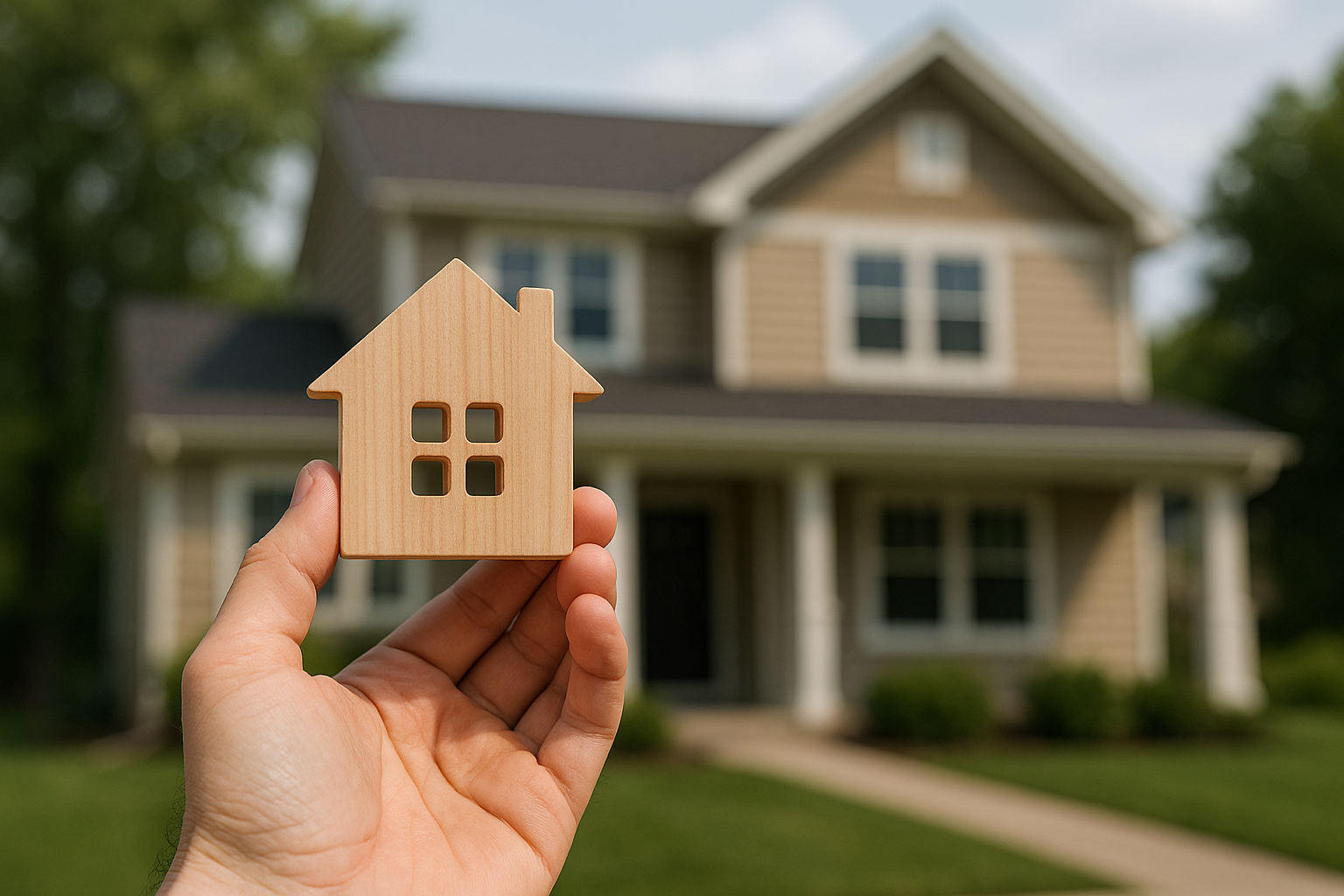
Factors That Significantly Influence House Valuation
When it comes to understanding what increases house valuation the most, several key factors can significantly affect property prices. Whether you're a homeowner looking to sell or simply curious about your home's value, knowing what elements contribute most to valuation can prove invaluable. In this article, we explore various aspects that can dramatically boost your house's worth.
Location and Neighborhood
Unquestionably, location is one of the most crucial factors in determining a house's valuation. Properties in prime locations, such as those near good schools, commercial hubs, and peaceful neighborhoods, tend to command higher prices.
- School Districts: Homes located near top-performing schools are in high demand. According to a 2026 report from the National Association of Realtors, homes in preferred school districts can sell for 10% to 30% more than those in less desirable districts.
- Proximity to Amenities: Proximity to shopping malls, public transport, parks, and recreational facilities can greatly enhance property value. Buyers often look for convenience, and it's reflected in how much they're willing to pay.
- Neighborhood Safety: A safe neighborhood positively influences valuation. Crime statistics, which are increasingly available online, can considerably impact a buyer's decision. A safer area naturally attracts more interest and higher bids.
Home Size and Usable Space
The size of a home and the amount of usable living space it offers is another significant valuation factor. Larger homes that efficiently use their square footage are typically more valuable.
- Square Footage: Generally, more square footage indicates a higher valuation. According to the latest data from the National Association of Home Builders, the price-per-square-foot is a crucial metric used by appraisers.
- Effective Use of Space: Homes with open floor plans or those that have been recently renovated to improve space efficiency often see a boost in their valuation.
Condition and Age of the Home
A well-maintained home generally holds a higher value. Investing in regular maintenance can ensure your property retains or increases its value over time.
- Structural Integrity: A home free from structural issues, like foundational cracks, plumbing problems, or roof damage, is generally valued higher.
- Recent Renovations: Modern kitchens, updated bathrooms, and new windows or roofing can add significant value. Contemporary aesthetics are highly appealing in today's market.
Energy Efficiency and Smart Technology
With the latest changes in homebuyer preferences, energy efficiency and smart home technology have become major selling points. Homes outfitted with these features are seeing a considerable rise in valuation.
- Energy-Efficient Systems: Features like solar panels, efficient HVAC systems, and insulated windows can both increase immediate value and assure long-term savings on utility bills.
- Smart Home Features: App-controlled lighting, security systems, and voice-activated assistants are increasingly in demand, indicating a property's modern appeal.
Market Conditions and Economic Factors
Real estate markets are dynamic, affected by broader economic conditions such as interest rates, employment rates, and consumer confidence.
- Interest Rates: Lower interest rates can increase valuation as more buyers can afford mortgages. In 2026, competitive rates have led to greater demand and higher prices in many regions.
- Economic Growth: A strong economy generally boosts housing markets, often increasing property values as more buyers enter the market.
Sustainability and Environmental Impact
In recent years, buyers have increased their focus on environmental impact. Homes that meet sustainable building standards or are located in eco-friendly developments are particularly appealing and can see enhanced valuations.
- Green Certifications: Properties with certifications like LEED (Leadership in Energy and Environmental Design) often command premium prices due to their reduced environmental impact and efficiency benefits.
- Natural Landscaping: Homes with well-maintained, eco-friendly landscapes can see valuations on the rise due to decreased maintenance costs and increased curb appeal.
Conclusion: Maximizing Your Home's Value
Understanding the factors that increase house valuation the most allows homeowners to make informed decisions about upgrades and improvements. By focusing on location, home condition, and energy efficiency, among other aspects, you can strategically enhance your home's value, ensuring a profitable future sale. For those interested in selling or merely increasing equity, staying updated on market trends and buyer preferences will always be beneficial.
For more detailed insights, you can explore resources like the National Association of Realtors or the National Association of Home Builders.
Zillow Home Value Estimator (Zestimate)
Redfin Home Value Estimator
Realtor.com Home Value Estimator