Understanding Belly Fat Injections: What You Need to Know
Curious about belly fat injections? Discover what these procedures entail as part of a wider body sculpting routine. While belly fat injections are not a magical solution, they can potentially aid in reshaping stubborn areas when tied with a healthy lifestyle.
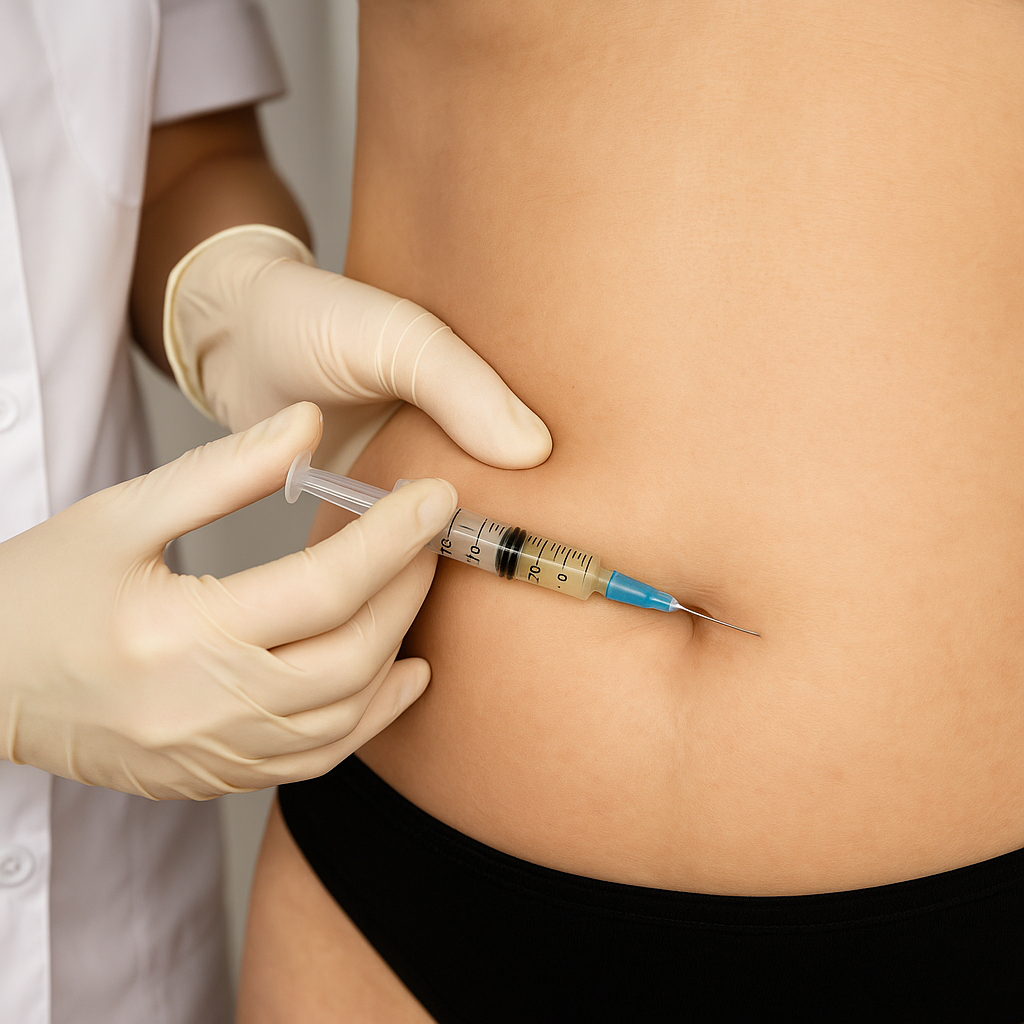
What Are Belly Fat Injections?
Belly fat injections are a non-surgical cosmetic procedure designed to reduce localized fat deposits in the abdominal area. These injectable solutions, commonly known as lipolytic injections or fat-dissolving injections, contain active ingredients that break down fat cells, which are then naturally eliminated by the body. The procedure is sought after by those looking to contour their waistline without undergoing surgery.
How Do Belly Fat Injections Work?
The primary mechanism behind these injections involves the use of substances like deoxycholic acid, phosphatidylcholine, or similar compounds. Deoxycholic acid, for example, is a naturally occurring molecule in the body that assists in breaking down dietary fat. When injected into the subcutaneous fat tissue, it disrupts the integrity of the fat cell membrane, causing the cells to release their lipid content. The body’s metabolic processes then remove these fats over several weeks.
Are Belly Fat Injections Safe?
While belly fat injections are generally considered safe, they should only be administered by licensed professionals in a clinical setting. Possible side effects include localized swelling, bruising, and discomfort post-injection. According to a 2026 study published in the Journal of Aesthetic Medicine, these side effects are typically mild and resolve within a few days. It's crucial for individuals to consult with a certified healthcare provider to discuss potential risks and determine if they are suitable candidates for the procedure.
Who is a Suitable Candidate?
The best candidates for belly fat injections are those who are close to their ideal body weight but struggle with specific pockets of fat that do not respond to diet and exercise. It is important to note that these injections are not designed as a weight loss solution but as a body contouring method. Prior health conditions, current medications, and overall health should be assessed during the consultation.
What Does the Procedure Involve?
The belly fat injection process is relatively straightforward. Here is a typical procedure outline:
- Consultation: The initial step involves a thorough evaluation by a healthcare professional to determine the patient's needs and expectations.
- Preparation: If deemed suitable, the area to be treated is cleaned and marked for precision.
- Injection: Using a fine needle, the practitioner administers the fat-dissolving solution directly into the targeted fat deposits.
- Aftercare: Post-treatment guidelines may include avoiding strenuous activities for a few days and applying cold compresses to minimize swelling.
How Effective Are Belly Fat Injections?
The effectiveness of belly fat injections varies depending on factors like the type of solution used, the amount of fat to be addressed, and the patient's individual metabolism. A 2026 clinical review published in the Lipolytic Procedures Journal highlighted that patients typically require 2-4 sessions spaced over several weeks to achieve optimal results. Patients often report significant improvements in the contour and appearance of the treated area.
Long-term Results
The longevity of results also depends on maintaining a stable weight and healthy lifestyle post-treatment. While the destroyed fat cells are permanently removed, remaining fat cells can enlarge if there is subsequent weight gain. Regular exercise and a balanced diet are recommended to preserve the outcomes.
Alternatives to Belly Fat Injections
There are several non-surgical alternatives to belly fat injections, each with unique advantages and considerations:
- Cryolipolysis (CoolSculpting): Utilizes controlled cooling to freeze and eliminate fat cells without needles.
- Ultrasound Cavitation: Employs ultrasound technology to break down fat cells, which the body can then eliminate.
- Laser Lipolysis: A technique that uses laser energy to liquefy fat cells before they are removed from the body naturally.
These methods may appeal to individuals wary of injections or looking for different treatment modalities to achieve their desired body contouring goals.
Conclusion
Belly fat injections present a viable option for those seeking to reduce stubborn fat pockets and enhance their body contour without undergoing invasive surgery. As with any medical procedure, potential candidates should undergo a detailed consultation with a qualified healthcare provider to examine their health status, discuss expectations, and choose the best approach tailored to their individual needs. Opting for a reputable clinic and experienced practitioner can significantly enhance safety and efficacy.