Understanding Credit Score Requirements for Personal Loans in 2026
Curious about what credit score is needed for a personal loan in 2026? Learn how lenders might evaluate your creditworthiness and what scores they may consider acceptable. While exact requirements can vary, a better credit score often means better loan terms.
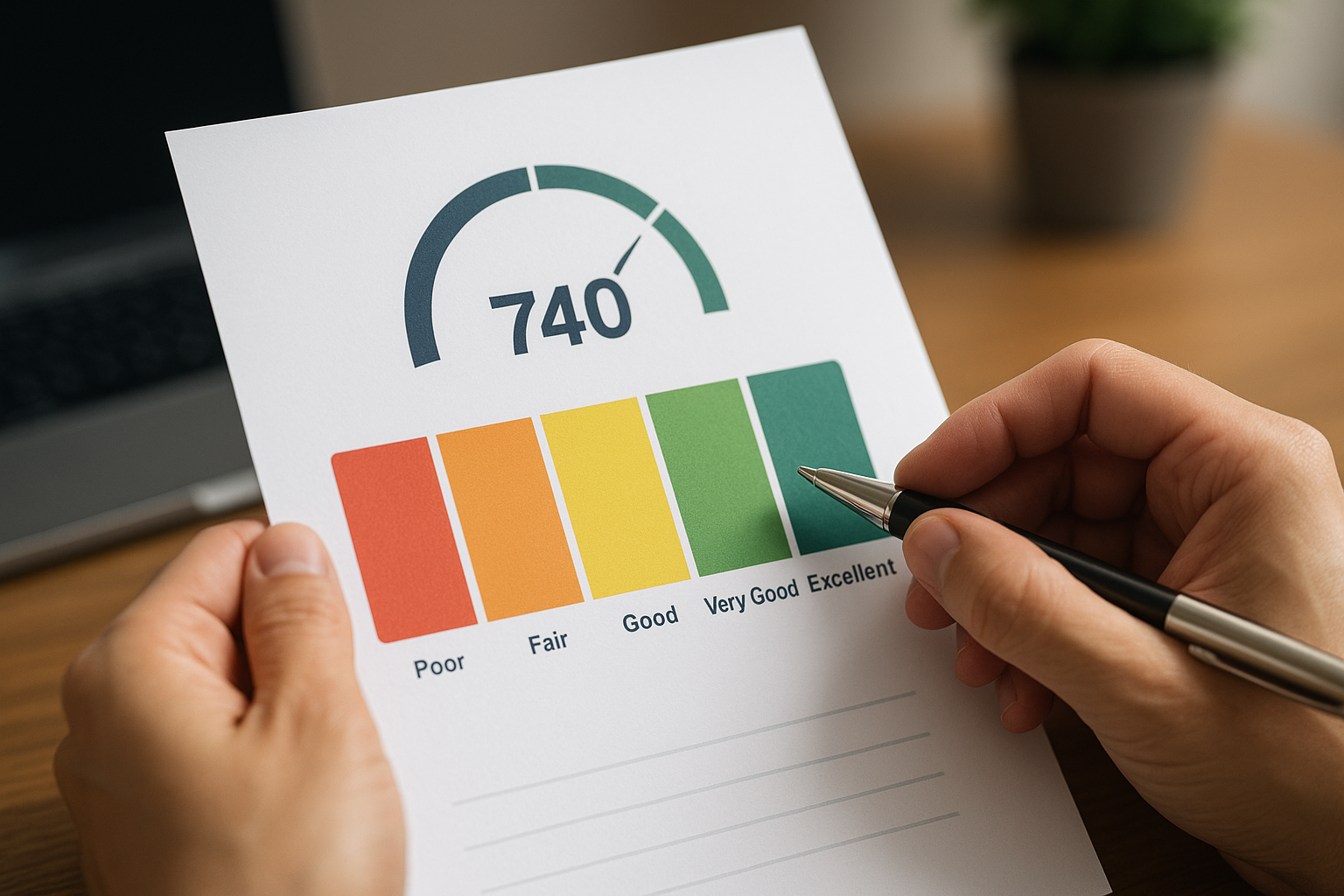
Understanding Credit Scores for Personal Loans in 2026
Credit scores play a pivotal role in the approval process for personal loans. In 2026, the criteria for credit scores have evolved, reflecting changes in financial practices and consumer habits. Whether you're a first-time borrower or looking to refinance, understanding these changes is essential.
What is a Credit Score?
A credit score is a numerical representation of your creditworthiness, typically ranging from 300 to 850. It's calculated based on your credit history, including repayment history, the total amount owed, length of credit history, types of credit in use, and new credit inquiries.
Why Is Credit Score Important for Personal Loans?
Your credit score gives lenders insight into the risk of extending credit to you. The higher the score, the lower the risk, and the more likely you are to qualify for favorable loan terms. In 2026, financial institutions are placing even greater emphasis on credit scores due to tighter regulatory environments and improved data analytics.
What Credit Score is Needed for a Personal Loan in 2026?
In 2026, the benchmark for credit scores continues to follow traditional guidelines with nuanced changes:
- Excellent Credit (720 and above): Borrowers with scores in this range can expect the most favorable terms, including low interest rates and high loan amounts.
- Good Credit (690-719): Approval is likely with competitive rates, although not as low as those with excellent credit.
- Fair Credit (630-689): While loan approval is still possible, the interest rates are moderately higher to offset the perceived risk.
- Poor Credit (below 630): Borrowers may face challenges in securing personal loans and, if approved, may incur high interest rates and fees.
Data from a 2026 survey by LendingTree indicates that the average credit score for approved personal loans is 710, reflecting a slight increase from previous years (source: LendingTree).
Factors Affecting Credit Scores in 2026
Several factors influence credit scores, some of which have evolved with financial technologies and consumer behaviors:
- Digital Payment Histories: With the rise of digital banking, comprehensive payment histories are now more accessible to lenders. This includes purchase, repayment behaviors, and interaction patterns with financial products.
- AI and Big Data Analytics: Lenders now utilize advanced analytics to assess creditworthiness, often beyond the traditional metrics, incorporating alternative data sources like rental payment history and utility bills.
- Increased Awareness of Financial Health: Millennials and Gen Z borrowers, in particular, are more financially educated and tech-savvy, contributing to higher average credit scores. Educational initiatives by organizations like FICO have significantly impacted this shift (source: FICO).
How to Improve Your Credit Score for a Personal Loan
If your credit score isn't where you need it to be for a personal loan, there are steps you can take to improve it:
- Pay Bills on Time: Consistently paying bills by their due date can positively influence your credit score. Payment history accounts for approximately 35% of your total score, making timely payments crucial.
- Lower Your Credit Utilization Rate: Aim to keep your credit utilization under 30%. Pay down existing balances and avoid opening new credit lines unnecessarily.
- Check Your Credit Report Regularly: Use free services to review your credit report for errors or unauthorized activity, which can affect your score negatively.
Alternatives if You Have a Low Credit Score
If you're currently challenged with a low credit score, exploring alternatives to traditional personal loans might be beneficial:
- Secured Loans: These loans require collateral, like property or savings, reducing the risk for lenders and increasing the likelihood of approval.
- Credit Unions: Often more flexible than banks, credit unions might offer more favorable terms to members with low credit scores.
- Peer-to-Peer Lending: These platforms might provide more lenient terms, as they often consider more than just your credit score.
For more detailed insights, platforms like NerdWallet have up-to-date articles guiding users through such financial decisions (source: NerdWallet).
Conclusion
In 2026, a strong credit score remains crucial for obtaining a personal loan with competitive terms. By understanding current credit score requirements, utilizing tools and practices to improve credit health, and exploring alternative lending options, borrowers can navigate the financial landscape effectively. Maintaining financial literacy and keeping abreast of changing financial trends will serve borrowers well, ensuring access to the credit they need when they need it.