Understanding Eligibility: Are You Qualified for Eliquis Patient Assistance Programs?
Are you wondering if you qualify for Eliquis Patient Assistance Programs? Learn about eligibility criteria, application steps, and how these programs may help ease the financial burden of medication costs. While not everyone will qualify, understanding the process can lead to potential savings.
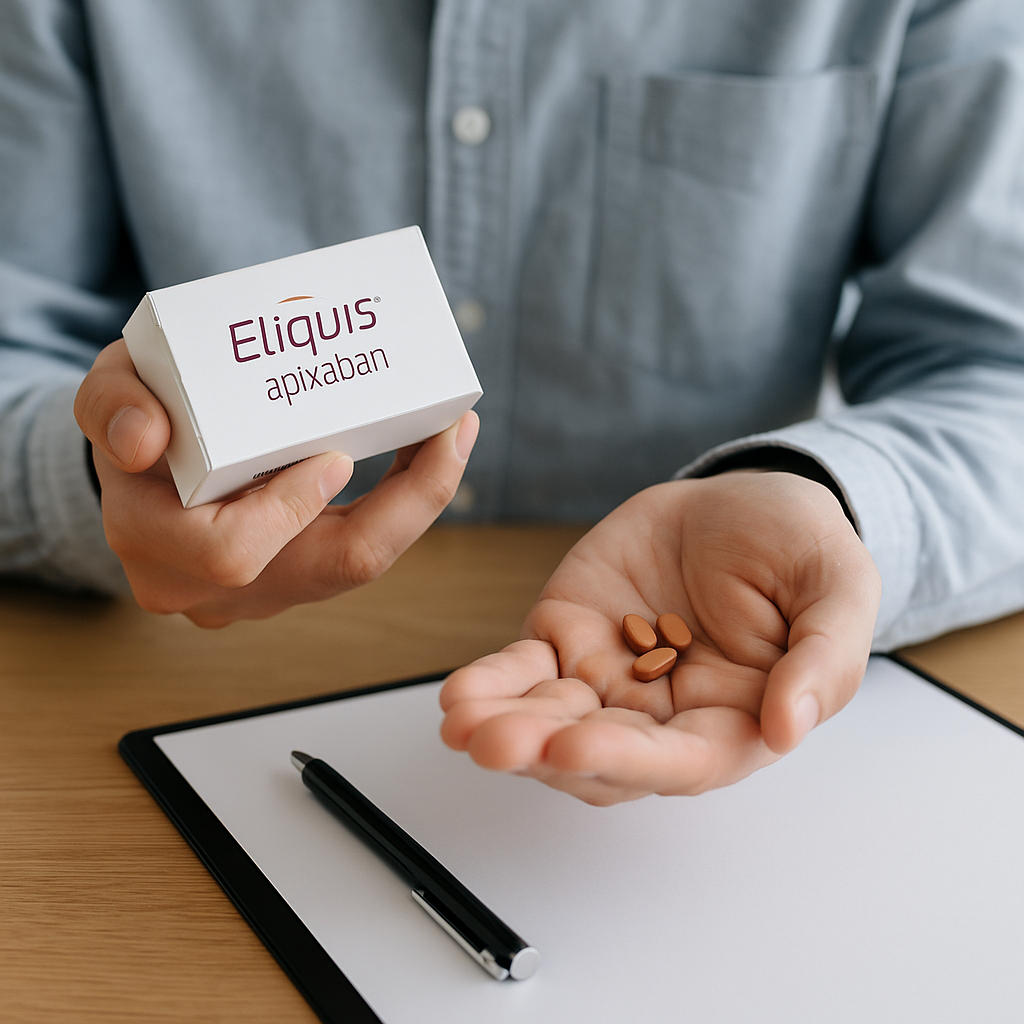
Understanding Eliquis: What It Is and Why It’s Prescribed
Eliquis, also known by its generic name apixaban, is a medication commonly prescribed to prevent blood clots in patients who suffer from nonvalvular atrial fibrillation, deep vein thrombosis (DVT), and pulmonary embolism (PE). By inhibiting clotting proteins in your blood, Eliquis minimizes the risk of stroke and prevents recurrent clots. As a vital drug for many, the cost can be a barrier, prompting the need for patient assistance programs.
Who Qualifies for Eliquis Patient Assistance Programs?
Patient assistance programs (PAPs) are designed to help individuals who may not be able to afford their medications. Here’s a breakdown of the typical qualifications:
- Income Level: Generally, programs are aimed at individuals with low to moderate income levels. The specifics can vary, but often eligibility is determined by income relative to the federal poverty level (FPL).
- Insurance Status: Many PAPs require that you be uninsured or underinsured. Those with Medicare may also qualify if they lack adequate prescription coverage.
- Residency: Most programs require that applicants be U.S. residents or citizens.
Real-World Example
Consider Jane, a 65-year-old retired teacher who was prescribed Eliquis for atrial fibrillation. Her current savings can't cover the monthly cost, which is around $500 without insurance. After applying to a PAP, Jane was able to receive her medication at a significantly reduced cost, showcasing how these programs can bridge financial gaps.
How to Apply for an Eliquis Patient Assistance Program
Applying for a PAP usually involves several steps, which can differ by program. Here’s a general guideline:
- Gather Information: Have your financial information, proof of income, insurance details, and a prescription from your healthcare provider ready.
- Contact the Program: Visit the website of the pharmaceutical company offering Eliquis, or a related patient assistance organization, to begin the application. They often provide customer service numbers for assistance.
- Submit Application: Complete and submit your application, ensuring all required documentation is included.
- Follow Up: Stay in contact with the PAP to track the status of your application.
Navigating Challenges and Misconceptions
While patient assistance programs can be incredibly beneficial, there are common misconceptions and challenges faced:
- Paperwork Complexities: The application process can be daunting with extensive paperwork. Utilizing assistance from social workers or case managers can simplify this process.
- Misunderstanding Eligibility: Some believe they’re automatically ineligible due to partial insurance coverage; however, many PAPs also aid the underinsured.
- Fear of Rejection: It's important to remember that initial rejection doesn’t always close the door. Many programs encourage re-application or appeal.
Recent Developments and Data on Eliquis Assistance Programs
In 2026, significant strides have been made in increasing the transparency and accessibility of patient assistance programs. According to a report from the National Patient Advocate Foundation, over 2.1 million patients have successfully received support through pharmaceutical assistance programs in 2026 alone. This reflects a 15% increase from the previous year, highlighting the growing efficacy and reach of such initiatives.[source]
Alternatives if You Don’t Qualify
For those who do not qualify for Eliquis patient assistance programs, other options remain:
- Generic Alternatives: Consult with your healthcare provider regarding generic alternatives that may be more affordable.
- State Prescription Assistance Programs: Many states offer their own assistance programs or discounts for medications.
- Non-Profit Assistance: Non-profit organizations often provide aid, either financially or through advocacy.
Example of Non-Profit Assistance
One notable organization is the Patient Access Network Foundation, which offers grants to help cover the cost of critical medications like Eliquis for eligible patients.[source]